Understanding Photoelectric Sensor Technology
Photoelectric sensors are indispensable components in modern industrial automation, utilizing light beams to detect the presence, absence, or distance of objects. These devices operate primarily through three sensing methods: through-beam, retro-reflective, and diffuse reflective. Through-beam sensors consist of separate emitter and receiver units, offering the longest sensing ranges and highest reliability. Retro-reflective types use a single unit and a reflector, providing a good balance of range and ease of installation. Diffuse reflective sensors detect objects by bouncing light directly off the target, making them ideal for close-range applications where installing a reflector is impractical. The core technology involves emitting a modulated light beam—often infrared, visible red, or laser—and analyzing the received signal. Advanced models incorporate background suppression, which allows them to ignore objects beyond a set distance, and teach-in functions for simplified setup. Understanding these fundamental principles is the first step in evaluating potential suppliers, as their product portfolio's technological breadth directly impacts the solutions they can provide for diverse challenges in packaging, material handling, automotive assembly, and electronics manufacturing.
Key Criteria for Selecting a Supplier
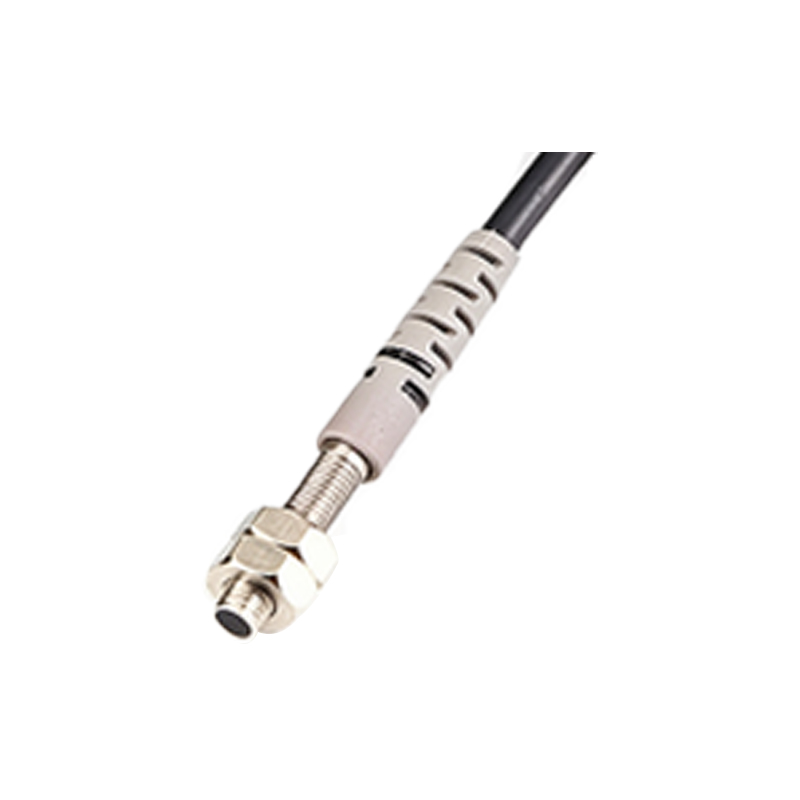
Selecting a photoelectric sensor sales manufacturer extends far beyond comparing price lists. Several critical factors determine a supplier's long-term value and reliability. First, assess the technical expertise and support capabilities. A premier supplier employs application engineers who can assist with sensor selection, integration troubleshooting, and customization for unique environments, such as high-temperature washdowns or areas with heavy vibration. Second, evaluate product quality and consistency. Inquire about manufacturing standards, quality control processes, and the mean time between failures (MTBF) data for their sensor lines. Third, consider the range and innovation of the product catalog. A strong supplier offers a comprehensive selection, including miniature sensors for tight spaces, long-range models, color recognition sensors, and devices with robust housings (e.g., IP67, IP69K ratings) for harsh conditions. Fourth, logistical efficiency is paramount. Reliable inventory management, short lead times for standard and custom products, and a global distribution network ensure minimal production downtime. Finally, scrutinize the supplier's industry reputation through client testimonials, case studies, and their longevity in the market.
The Importance of Application-Specific Solutions
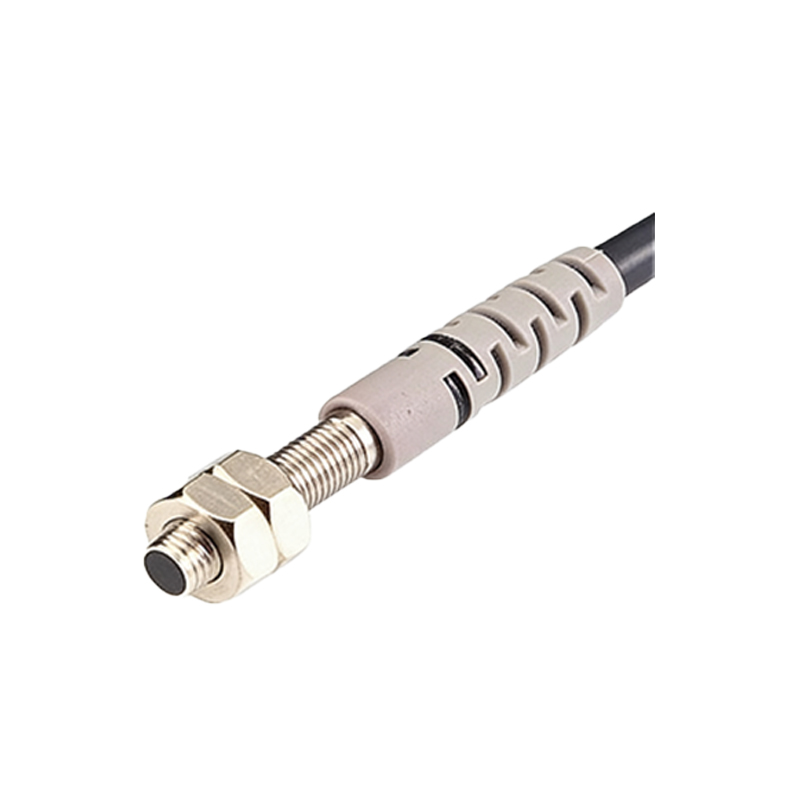
No single photoelectric sensor fits all applications. Therefore, a supplier's ability to deliver application-specific solutions is a major differentiator. In the food and beverage industry, for instance, sensors must withstand frequent high-pressure, high-temperature cleaning with caustic chemicals. Suppliers catering to this sector typically offer sensors with stainless steel housings and FDA-compliant materials. In logistics and warehousing, where boxes of varying colors and reflectivity move rapidly on conveyors, sensors with advanced background suppression and stable detection regardless of target color are essential. For semiconductor fabrication, ultra-precise positioning sensors with micron-level accuracy and immunity to ambient light interference are required. A proficient sales manufacturer doesn't just sell a product; they conduct a thorough needs analysis. They consider factors like target material (transparent, opaque, glossy), required sensing distance, ambient light conditions, electrical output needs (PNP/NPN, analog, IO-Link), and required response speed. Their recommendation should be backed by simulation tools, sample testing, and documented success in similar applications.
Evaluating Support Services and Digital Tools
In today's connected industrial landscape, post-sales support and digital resources are integral to a supplier's offering. Comprehensive technical support includes detailed datasheets, 2D/3D CAD models for easy integration into machine designs, and clear wiring diagrams. Look for suppliers who provide extensive online resources, such as selection guides, white papers on solving common sensing challenges, and video tutorials. Many leading manufacturers now offer digital configuration tools and smartphone apps that guide users through sensor selection and setup via a series of application-based questions. Furthermore, the adoption of Industry 4.0 principles is crucial. Suppliers should offer sensors with smart features like IO-Link communication, which enables remote configuration, continuous condition monitoring, and predictive maintenance data collection. This digital connectivity allows for the seamless integration of sensor data into PLCs and SCADA systems, enhancing overall operational intelligence. A supplier's investment in these tools reflects their commitment to customer success and reducing total cost of ownership.
Building a Partnership for Future-Proofing
The relationship with a photoelectric sensor supplier should be viewed as a strategic partnership, not merely a transactional vendor agreement. A forward-thinking manufacturer actively engages in research and development to anticipate future industry trends, such as increased demand for miniaturization, higher precision, and enhanced connectivity. They provide regular product updates and training sessions to keep your team informed about new technologies. A true partner also demonstrates flexibility in supply chain management, offering scalable solutions and contingency plans to mitigate risks from global material shortages. They work collaboratively to standardize sensor types across your facilities, simplifying maintenance and reducing spare parts inventory. By choosing a supplier with a proven track record of innovation, robust support, and a customer-centric philosophy, you invest in the reliability and efficiency of your automation systems for years to come. This partnership becomes a cornerstone for improving productivity, ensuring quality control, and maintaining a competitive edge in an increasingly automated world.