Introduction to Multi-Function Proximity Sensing
In the landscape of industrial automation, the evolution from simple on/off detection to sophisticated, multi-parameter sensing represents a significant leap forward. Multi-function proximity sensors stand at the forefront of this evolution, offering unparalleled versatility and intelligence. These advanced devices integrate several sensing technologies and diagnostic capabilities into a single, compact housing. Unlike traditional single-purpose sensors, they can detect presence, measure distance, differentiate between materials, and monitor environmental conditions simultaneously. This convergence of functions not only simplifies machine design and reduces the sensor count on a production line but also opens new avenues for predictive maintenance and process optimization. The core appeal lies in their ability to provide a rich stream of data from a single point, transforming a basic detection task into a source of valuable operational intelligence.
Key Technologies and Operating Principles
The functionality of a multi-function sensor is built upon a fusion of core sensing principles, primarily inductive, capacitive, and ultrasonic technologies, often enhanced with IO-Link communication. An inductive multi-function sensor, for instance, can not only detect the presence of a metallic object but also classify it based on material composition (e.g., steel vs. aluminum) by analyzing the quality factor of the induced eddy currents. Advanced models incorporate analog output for precise distance measurement alongside discrete switching outputs. Capacitive versions excel in detecting non-metallic materials, liquids, or granular substances while compensating for background interference or buildup on the sensor face. Ultrasonic multi-function sensors combine time-of-flight measurement with temperature compensation to deliver highly accurate distance data and level detection, immune to color or material transparency. The integration of these technologies is managed by powerful embedded microprocessors that handle signal processing, logic functions, and communication protocols.
Analysis of Prominent Model Series and Specifications
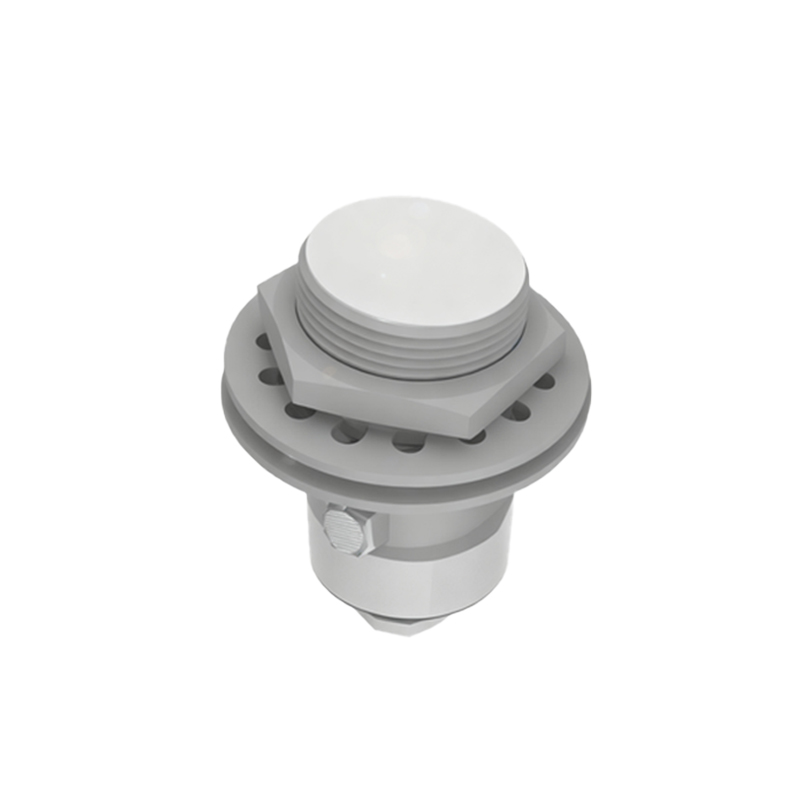
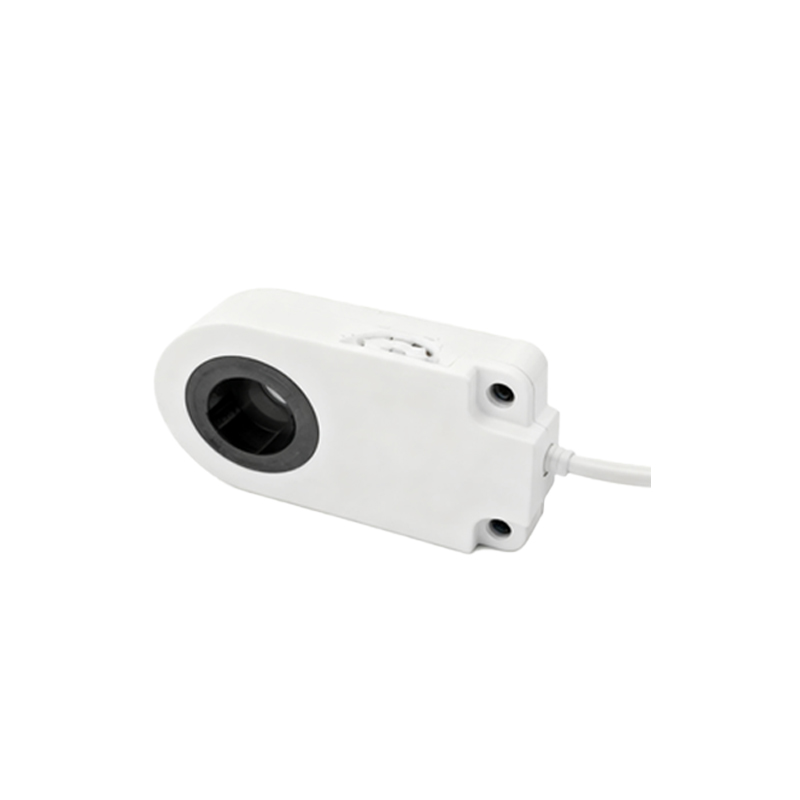
Several leading manufacturers offer distinguished series of multi-function proximity sensors, each with unique specifications catering to different industrial niches. For harsh environments, models like the Series XM from Manufacturer A provide IP69K protection, extreme temperature tolerance from -40°C to 85°C, and robust metal housings. They typically feature both PNP and NPN outputs configurable via teach-in buttons, with sensing ranges up to 15mm for metals. For high-precision applications, the PrecisionSense 8000 series offers sub-millimeter resolution analog output, embedded temperature sensing, and continuous self-diagnostics. In the realm of connectivity, the IO-Link SmartSensor Pro series stands out, offering complete parameterization via the digital point-to-point communication, enabling remote configuration, real-time process data monitoring (like signal strength and operating voltage), and advanced diagnostics such as switch point drift warnings or contamination alerts. Key specifications to compare across models include: sensing range, repeat accuracy, response frequency, housing material (e.g., PBT, stainless steel), output type (discrete, analog, IO-Link), and applicable standards (IEC, UL).
Critical Application Scenarios in Modern Manufacturing
The deployment of multi-function sensors solves complex challenges across various sectors. In automotive assembly, a single sensor can verify the correct seating of a rubber gasket on a metal engine block (using capacitive and inductive fusion) and confirm the presence of an attached cable harness. In packaging machinery, they monitor fill levels of non-uniform materials in opaque containers while simultaneously checking for proper lid placement. On robotic pick-and-place units, they provide precise gripper position feedback and detect if a grasped object is present and correctly oriented. In metal stamping presses, they perform double-blank detection to prevent tool damage and monitor vibration levels for early signs of bearing wear. The pharmaceutical industry utilizes them for verifying the presence of a glass vial and checking its fill level through ultrasonic sensing, all while logging batch data via IO-Link for traceability. These applications highlight the sensor's role in enhancing quality control, preventing downtime, and enabling flexible, data-driven production.
Selection Criteria and Integration Best Practices
Selecting the optimal multi-function proximity sensor requires a systematic analysis of the application requirements. Engineers must first define the primary and secondary sensing tasks: Is the goal detection, measurement, differentiation, or condition monitoring? The target material composition, size, and required sensing distance are primary determinants. Environmental factors such as temperature extremes, presence of washdown chemicals, dust, or electromagnetic interference dictate the required ingress protection and housing material. The control system architecture is equally crucial; selecting an IO-Link model future-proofs the installation but requires a compatible master port. During integration, careful attention must be paid to mounting, ensuring the sensor is positioned to avoid side-effects from adjacent metal or other interfering objects. Parameter configuration, often done via a teach-in mode or software, should be optimized for the specific target