Understanding Reflective Photoelectric Sensors
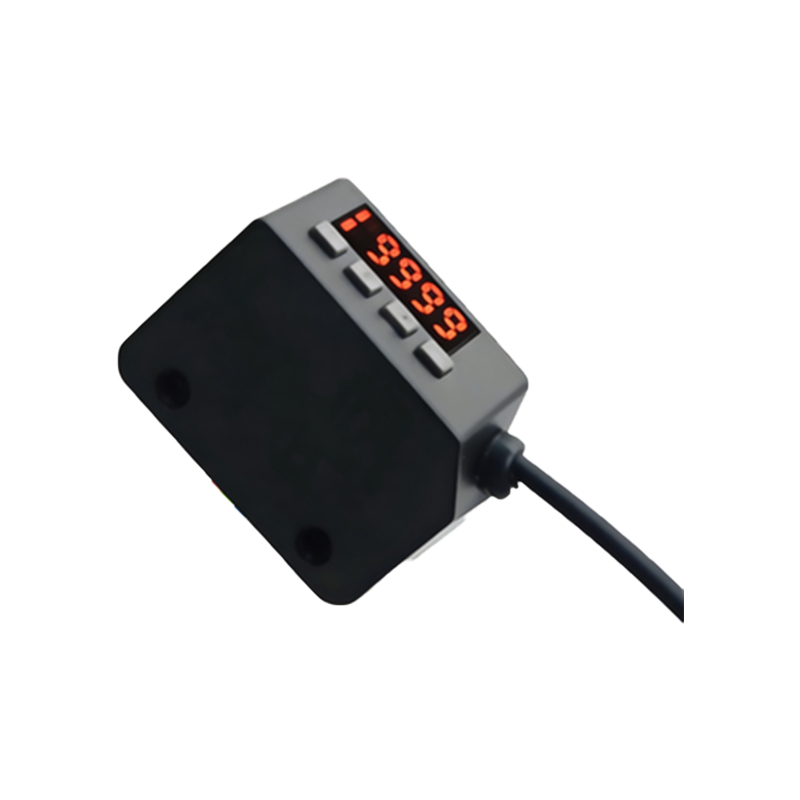
Reflective photoelectric sensors are widely used in industrial automation for detecting objects without physical contact. They operate by emitting a light beam, typically infrared or visible light, from an emitter and then measuring the light reflected back to a receiver. The sensor's performance hinges on the intensity and consistency of this reflected signal. These sensors are favored in applications like object counting, edge detection, and presence sensing due to their compact design and ease of installation. However, their effectiveness can be compromised by environmental factors such as ambient light interference, surface reflectivity of targets, and contamination. A thorough grasp of their working principle is essential for accurate quality assessment, as it allows engineers to pinpoint potential failure points during testing and real-world use.
Key Parameters for Performance Evaluation
To judge the quality of a reflective photoelectric sensor, several critical parameters must be evaluated. First, sensing range defines the maximum distance at which the sensor can reliably detect an object, and it should align with the application's requirements. Second, response time indicates how quickly the sensor reacts to changes in detection, with faster times being crucial for high-speed automation processes. Third, repeatability measures the sensor's consistency in detecting the same object under identical conditions, where low variance signifies high reliability. Additionally, environmental ratings like IP (Ingress Protection) for dust and moisture resistance are vital for durability in harsh settings. Engineers should verify these specs against manufacturer datasheets and conduct comparative tests to ensure they meet operational standards.
Common Failure Modes and Symptoms
Identifying common failure modes helps in proactive quality checks. One frequent issue is reduced sensitivity, where the sensor fails to detect objects at its specified range, often due to lens dirt or LED degradation. Another symptom is erratic output, where the sensor triggers inconsistently, potentially caused by electrical noise or power supply fluctuations. Physical damage, such as cracks in the housing or misaligned components, can also lead to complete failure. In some cases, ambient light saturation may overwhelm the receiver, causing false triggers. By recognizing these signs early, maintenance teams can troubleshoot effectively, replacing or recalibrating sensors before they disrupt production lines, thus minimizing downtime and costs.
Practical Testing Methods for Quality Assessment
Practical testing is indispensable for determining sensor quality. Start with a visual inspection to check for physical defects like corrosion or loose connections. Next, use a multimeter to measure voltage and current levels, ensuring they match the sensor's specifications. For functional testing, simulate real-world conditions by placing standard test objects at varying distances and angles, observing the sensor's output stability. An oscilloscope can be employed to analyze signal waveforms for noise or distortion. Additionally, environmental stress tests, such as exposing the sensor to temperature extremes or vibration, can reveal weaknesses not apparent in normal operation. Documenting test results over time aids in trend analysis and predictive maintenance.
Best Practices for Maintenance and Longevity
Ensuring long-term quality involves adhering to maintenance best practices. Regularly clean the sensor lens with a soft cloth to prevent dust buildup that can attenuate the light beam. Verify mounting alignment periodically, as shifts can affect detection accuracy. Implement shielding or filtering techniques to mitigate ambient light interference, especially in bright environments. Use surge protectors to guard against electrical spikes that might damage internal circuits. Furthermore, keep a log of sensor performance and replacement history to identify patterns and optimize inventory. By integrating these practices into routine checks, engineers can extend sensor lifespan and maintain consistent operation, ultimately enhancing overall system reliability.