Introduction to Lion King Photoelectric Sensors
Lion King photoelectric sensors are renowned for their precision, durability, and versatility in industrial automation. These sensors utilize light beams to detect the presence, absence, or distance of objects, making them indispensable in manufacturing, packaging, material handling, and safety systems. Engineered with advanced optical technology, they offer reliable performance even in challenging environments with dust, moisture, or varying light conditions. The Lion King series encompasses a wide range of models, each designed to meet specific application needs, from basic detection to complex positioning tasks. Their robust construction ensures long-term stability, reducing maintenance costs and downtime. This guide provides a detailed overview of key models and their specifications to help professionals select the optimal sensor for their operations.
Key Models and Their Features
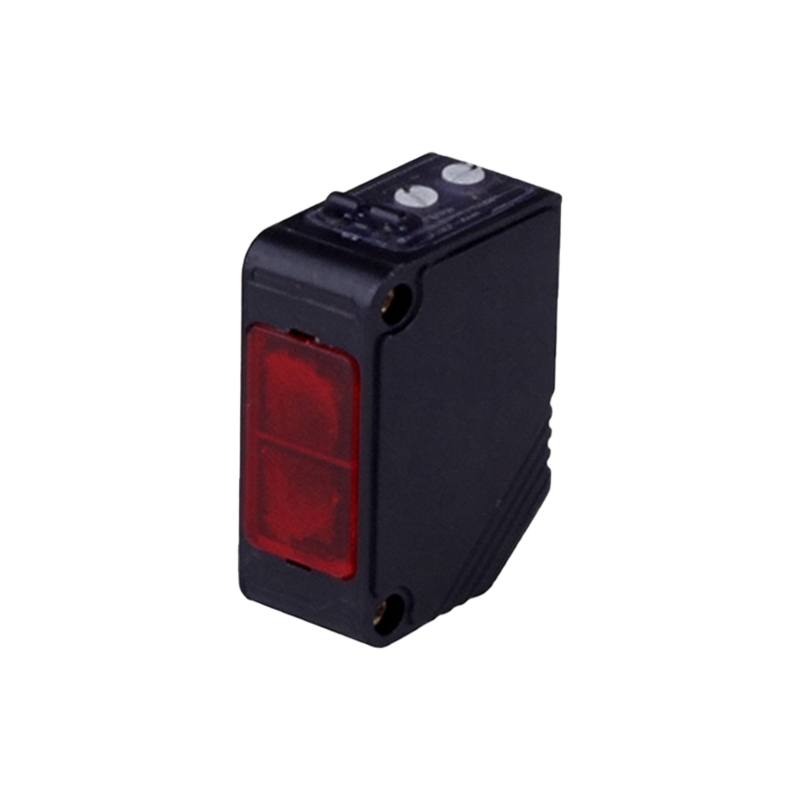
The Lion King product line includes several prominent models, such as the LK-PS10, LK-PS20, and LK-PS30 series. The LK-PS10 series is a compact, cost-effective option ideal for general-purpose detection. It features a sensing range of up to 1 meter and operates on a 12-24V DC supply, with both NPN and PNP output configurations available. The LK-PS20 series offers enhanced performance with a sensing range extending to 3 meters, incorporating background suppression technology for accurate detection regardless of object color or reflectivity. It includes adjustable sensitivity and a rugged IP67 housing, suitable for harsh industrial settings. The LK-PS30 series represents the premium tier, with a long-range capability of up to 10 meters, high-speed response times below 1 ms, and advanced features like teach-in functionality for easy setup. All models are designed with LED indicators for status monitoring and support various mounting options.
Technical Specifications Overview
Lion King photoelectric sensors adhere to strict technical standards to ensure compatibility and efficiency. Common specifications across models include a voltage range of 10-30V DC, with low power consumption typically under 0.5W. The output types vary, including digital (switch) outputs and analog outputs for distance measurement, with protection against short-circuit and reverse polarity. Sensing modes encompass through-beam, retro-reflective, and diffuse reflective types, each suited for different detection scenarios. For instance, through-beam sensors provide the longest range and highest accuracy by using separate emitter and receiver units, while diffuse sensors are compact and easy to install for proximity detection. Environmental ratings often reach IP67 or higher, ensuring resistance to water, oil, and dust. Operating temperature ranges from -25°C to 70°C, allowing deployment in diverse climates.
Application Scenarios and Benefits
These sensors excel in numerous industrial applications. In conveyor systems, Lion King models detect object passage, count items, or control sorting mechanisms, enhancing throughput and reducing errors. In automated assembly lines, they ensure precise part positioning and verify component presence, improving quality control. Safety applications include light curtains and area monitoring to prevent accidents by detecting intrusions into hazardous zones. The benefits of using Lion King sensors include high reliability with minimal false triggers, thanks to advanced algorithms that filter out ambient light interference. Their modular design facilitates easy integration with PLCs and other control systems, while the durable construction minimizes wear from vibration or impact. By optimizing processes, these sensors contribute to increased productivity and cost savings.
Selection and Installation Tips
Choosing the right Lion King sensor involves considering factors like sensing distance, object properties, and environmental conditions. For small or dark objects, a sensor with high sensitivity or background suppression is recommended. In dusty or wet areas, models with higher IP ratings should be prioritized. Installation requires aligning the emitter and receiver properly for through-beam types, while diffuse sensors need a stable mounting surface free from obstructions. Wiring should follow the provided diagrams, ensuring correct polarity and voltage to prevent damage. Regular maintenance, such as cleaning lenses and checking connections, can extend sensor lifespan. Lion King offers comprehensive documentation and support, including datasheets and application notes, to assist with setup and troubleshooting.
Future Trends and Innovations
The photoelectric sensor industry is evolving with trends toward miniaturization, smarter connectivity, and enhanced functionality. Lion King is at the forefront, developing sensors with IoT capabilities for real-time data monitoring and predictive maintenance. Future models may incorporate AI-driven features for adaptive sensing, allowing automatic adjustment to changing conditions. Energy-efficient designs are also a focus, aligning with global sustainability goals. As industries embrace Industry 4.0, Lion King sensors are expected to integrate seamlessly with networked systems, providing deeper insights into operational efficiency. Innovations in materials and optics will further improve accuracy and durability, solidifying their role in next-generation automation.