Introduction to Proximity Sensor Types
Proximity sensors are indispensable components in modern industrial automation, enabling non-contact detection of objects. Their primary function is to sense the presence or absence of a target without physical contact, offering high reliability and longevity. These sensors are broadly categorized based on their underlying detection technology. The most prevalent types include inductive, capacitive, ultrasonic, and photoelectric sensors. Each type possesses distinct operational principles, making them suitable for specific applications and materials. Understanding these fundamental categories is the first step in selecting the appropriate model for any given industrial task. The choice depends heavily on factors such as the target material, required sensing distance, environmental conditions, and response speed.
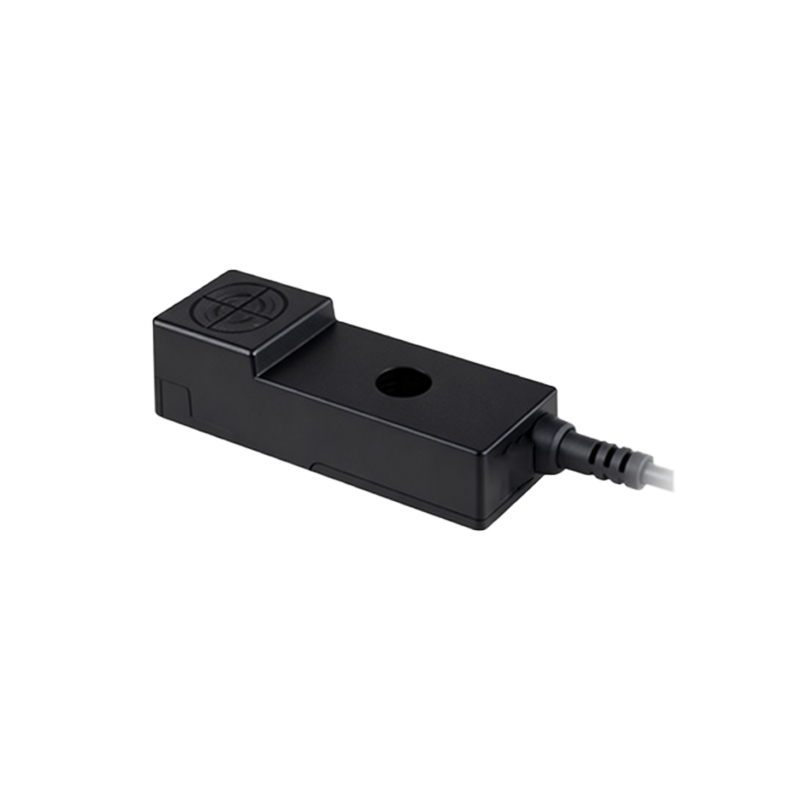
Inductive Proximity Sensor Models and Visual Examples
Inductive proximity sensors are designed to detect metallic objects, primarily ferrous metals like iron and steel. They operate by generating an electromagnetic field. When a metal object enters this field, it causes a change in the oscillation amplitude, which the sensor detects. Common model series from leading manufacturers include the Siemens 3RG series, the Omron E2E series, and the Pepperl+Fuchs NBN series. For instance, the Omron E2E-X5ME1 is a cylindrical, shielded M8 model with a 2mm sensing distance. Images of these models typically show a robust, metallic threaded barrel housing, often in nickel-plated brass or stainless steel, with an LED indicator. The data sheet images highlight key features like the sensing face, connection type (pre-wired or connector), and housing style (barrel or rectangular).
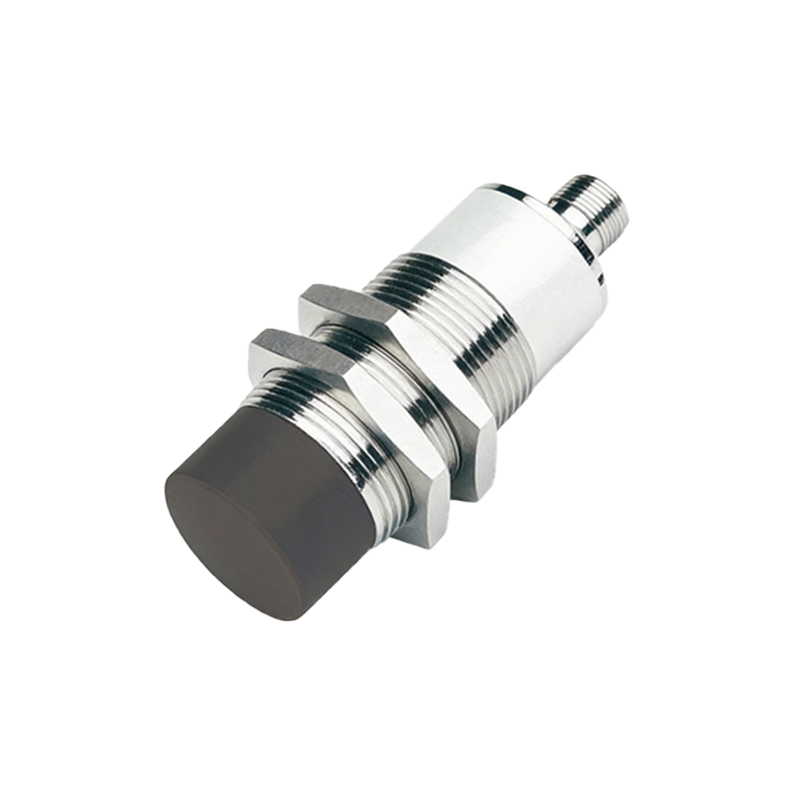
Capacitive Proximity Sensor Models and Imagery
Capacitive sensors can detect both metallic and non-metallic materials, including liquids, powders, plastics, and wood. They function by measuring changes in capacitance. When any object with a dielectric constant different from air approaches the sensor's active surface, it alters the capacitance of the circuit, triggering the output. Popular models include the Balluff BCS series, the Schneider Electric XS6C series, and the IFM Electronic CKM series. The IFM CKM 12-14BPP-KC, for example, is known for its plastic housing and sensitivity adjustment potentiometer. Photographs of capacitive sensors often resemble inductive ones but may feature a larger sensing face or a plastic housing. Product images frequently emphasize the sensitivity adjustment screw and the material detection capabilities through iconography on the housing label.
Ultrasonic Proximity Sensor Models and Pictorial Guide
Ultrasonic sensors use sound waves beyond the human hearing range to detect objects and measure distances. They are excellent for detecting objects regardless of color, transparency, or material, and they work well in dusty or foggy environments. They emit ultrasonic pulses and calculate distance by measuring the time taken for the echo to return. Key model families are the Banner QS18 series, the SICK UM series, and the Allen-Bradley 871TM series. The Banner QS18UPAF50Q is a popular analog-output sensor with a 50mm to 500mm range. Visual representations of ultrasonic sensors show a distinctive housing with two "eyes"—one for the transmitter and one for the receiver, or a single element for both in a compact design. Installation diagrams in datasheets are crucial, showing the necessary clearance zones (dead bands) around the sensing face.
Photoelectric Sensor Models with Illustrative Photos
Photoelectric sensors operate by emitting a beam of light (visible red, infrared, or laser) and detecting its reflection or interruption. They offer the longest sensing ranges and are highly versatile. Sub-types include through-beam, retro-reflective, and diffuse reflective models. Renowned series include the Keyence FU series, the SICK W4 series, and the Panasonic EX series. The SICK WTT12L is a robust through-beam sensor with a long range. Images of photoelectric sensors vary greatly: through-beam models have separate emitter and receiver units; retro-reflective models have a single housing; diffuse sensors are compact. Product photos highlight the lens type, alignment indicators, and status LEDs. Cutaway diagrams often illustrate the light path and sensing mode.
Selecting the Right Model: A Visual and Technical Comparison
Choosing the correct proximity sensor requires a side-by-side technical and visual comparison. Engineers must consult specification tables and dimensional drawings from datasheets. Critical parameters include sensing distance (rated and actual), supply voltage, output type (PNP/NPN, analog, IO-Link), housing material (e.g., brass, stainless steel PBT), and protection rating (IP67, IP69K). For example, an inductive sensor datasheet image will provide precise thread dimensions (e