Introduction to Metal Sensing Proximity Sensors
Metal sensing proximity sensors are pivotal components in modern industrial automation, designed to detect the presence or absence of metallic objects without physical contact. These sensors operate primarily on the principle of electromagnetic induction, where an oscillating circuit generates a high-frequency electromagnetic field. When a metallic object enters this field, eddy currents are induced, altering the oscillation amplitude or frequency, which the sensor detects as a signal change. This non-contact detection method ensures minimal wear and tear, high reliability, and rapid response times, making them indispensable in applications ranging from assembly lines and robotic systems to safety interlocks and material handling. Standard off-the-shelf sensors offer general functionality, but many industrial scenarios demand customized solutions to meet specific operational challenges, environmental conditions, or integration requirements. Customization allows for optimization in sensing range, housing material, output type, and connectivity, ensuring seamless compatibility with existing machinery and control systems. As industries evolve towards smarter, more flexible manufacturing processes, the need for tailored proximity sensors continues to grow, driving innovation in sensor design and application.
Key Considerations for Customization
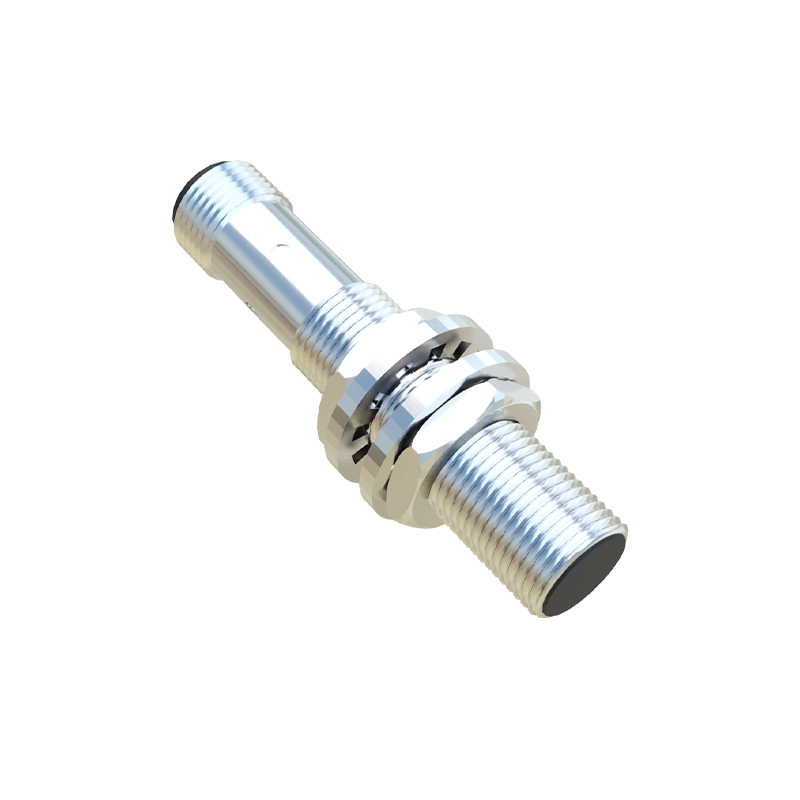
Customizing metal sensing proximity sensors involves several critical factors to ensure optimal performance in targeted environments. First, the sensing range must be precisely calibrated based on the application's requirements; too short a range may miss detections, while too long a range could cause false triggers from background metals. The sensor's housing material is another vital aspect, as it must withstand harsh conditions such as extreme temperatures, moisture, chemicals, or mechanical impacts. Stainless steel or specialized plastics like PBT are common choices for durability. Output configuration—whether NPN, PNP, analog, or IO-Link—should align with the control system's input specifications to facilitate easy integration. Additionally, factors like switching frequency, temperature tolerance, and protection ratings (e.g., IP67 for dust and water resistance) must be tailored to the operational context. For instance, in food processing, sensors may require hygienic designs with smooth surfaces to prevent contamination, while in automotive manufacturing, high-speed detection capabilities are crucial for assembly precision. Collaborating with experienced engineers during the customization process helps identify these parameters, ensuring the sensor meets both functional and regulatory standards without over-engineering, which can inflate costs unnecessarily.
Applications in Diverse Industrial Sectors
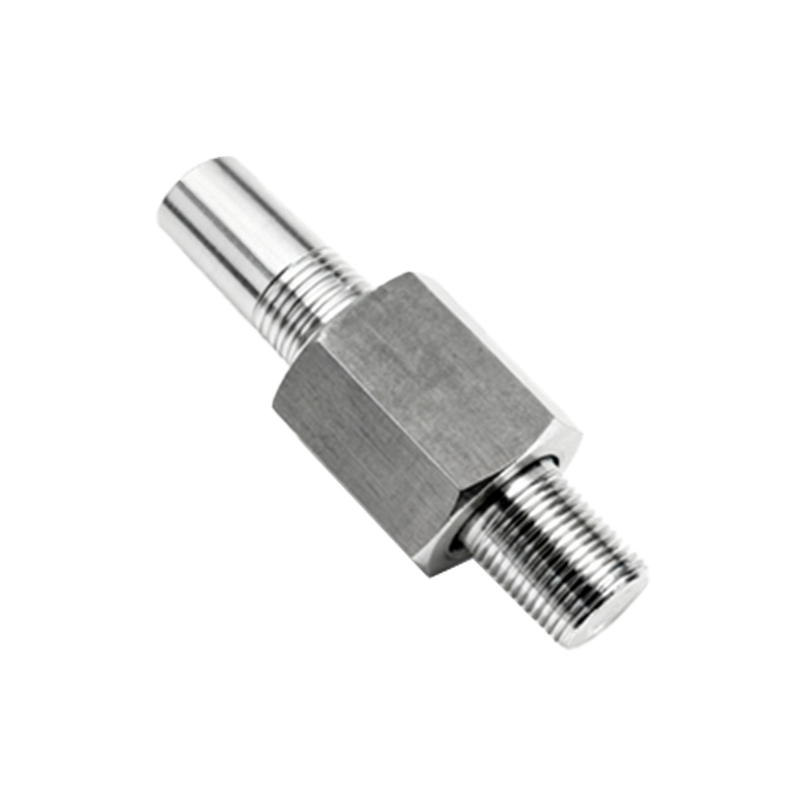
Custom metal sensing proximity sensors find applications across a wide array of industries, each with unique demands that off-the-shelf solutions cannot always address. In the automotive sector, they are used for precise part positioning in robotic welding and assembly, where customized sensing ranges and robust housings prevent interference from surrounding metal structures. The packaging industry employs these sensors to detect metallic components on high-speed conveyor belts, with customizations focusing on fast response times and compact designs to fit limited spaces. In heavy machinery and construction, sensors are tailored for extreme environments, featuring enhanced shock resistance and wide temperature ranges to operate reliably outdoors or in dusty conditions. The aerospace industry requires high-precision sensors for monitoring turbine components or landing gear, often necessitating custom materials like titanium for lightweight yet durable housings. Moreover, in smart factories leveraging Industry 4.0, sensors with integrated IO-Link communication enable real-time data exchange for predictive maintenance and process optimization. By adapting to sector-specific challenges, custom sensors enhance efficiency, reduce downtime, and improve safety, proving their value as critical enablers of advanced automation.
Benefits of Opting for Custom Solutions
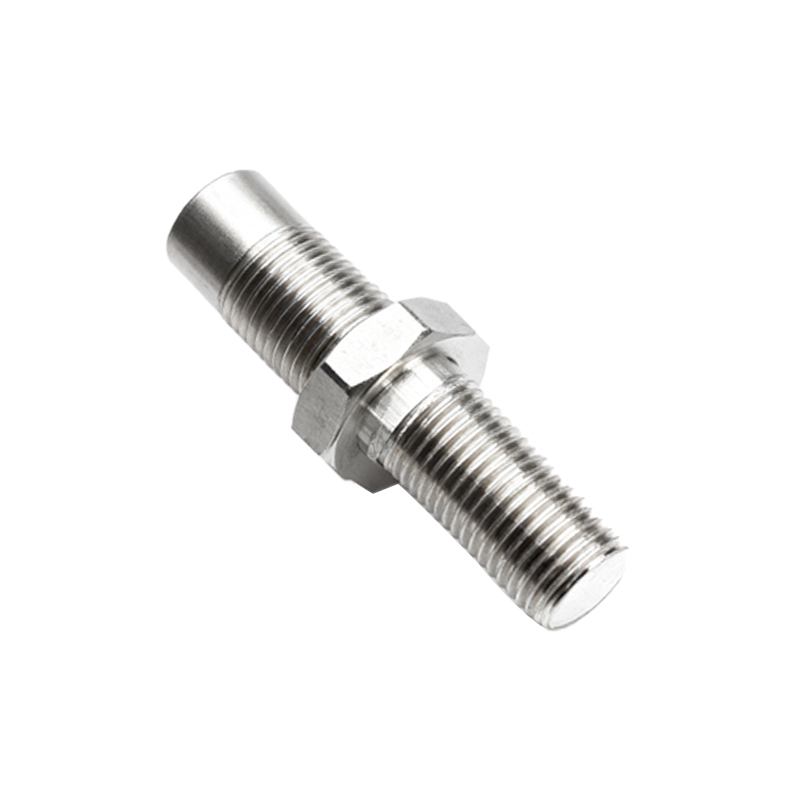
Choosing custom metal sensing proximity sensors over standard models offers numerous advantages that translate into long-term operational benefits. Tailored sensors provide exact fit and function, eliminating compatibility issues and reducing the need for additional adapters or modifications during installation. This leads to faster deployment and lower integration costs. Enhanced performance is another key benefit, as customization allows for optimization in areas like sensing accuracy, response speed, and environmental resilience, directly improving process reliability and product quality. For example, a sensor designed with a specific frequency can avoid crosstalk in dense installations, minimizing false readings. Custom solutions also contribute to cost efficiency by focusing resources on necessary features, avoiding the expense of unnecessary capabilities found in generic sensors. Furthermore, they support scalability, allowing for easy replication across similar applications within a facility. From a maintenance perspective, sensors built to endure specific conditions tend to have longer lifespans and require fewer replacements, reducing total cost of ownership. Ultimately, investing in customization fosters innovation, as engineers can develop sensors that address emerging challenges, keeping pace with technological advancements and competitive industry demands.
Collaborative Development Process
The journey to creating a custom metal sensing proximity sensor typically involves a collaborative partnership between the client and sensor manufacturer, ensuring the final product aligns with precise specifications. It begins with a detailed needs assessment, where