In today's world, where convenience, energy efficiency, and security are paramount, the sensor switch has emerged as an indispensable component in both residential and commercial settings. Unlike traditional manual switches, a sensor switch automatically controls lighting or other electrical devices by detecting specific stimuli, primarily motion or occupancy. This technology represents a significant leap forward in how we interact with our environments, offering a blend of automation, conservation, and enhanced functionality that is reshaping modern living and working spaces.
The core principle behind a sensor switch is its ability to perceive changes in its surroundings. The most common type is the Passive Infrared (PIR) sensor switch. It works by detecting the infrared radiation emitted by warm bodies, such as humans or animals, in motion. When a person enters a monitored area, the sensor detects the change in infrared energy and triggers the connected light to turn on. After a preset period of no detected motion, the switch automatically turns the light off. This fundamental operation eliminates the need for manual switching, providing hands-free convenience that is particularly valuable when one's hands are full, in dark corridors, or for individuals with mobility challenges.
The benefits of integrating sensor switches are substantial and multi-faceted. Foremost is energy conservation. Lights are only illuminated when needed, preventing waste from lights being left on in unoccupied rooms, hallways, storage closets, or restrooms. This can lead to a dramatic reduction in electricity consumption and utility bills, making it an economically and environmentally sound investment. For businesses, this translates into lower operational costs and a stronger commitment to sustainability goals.
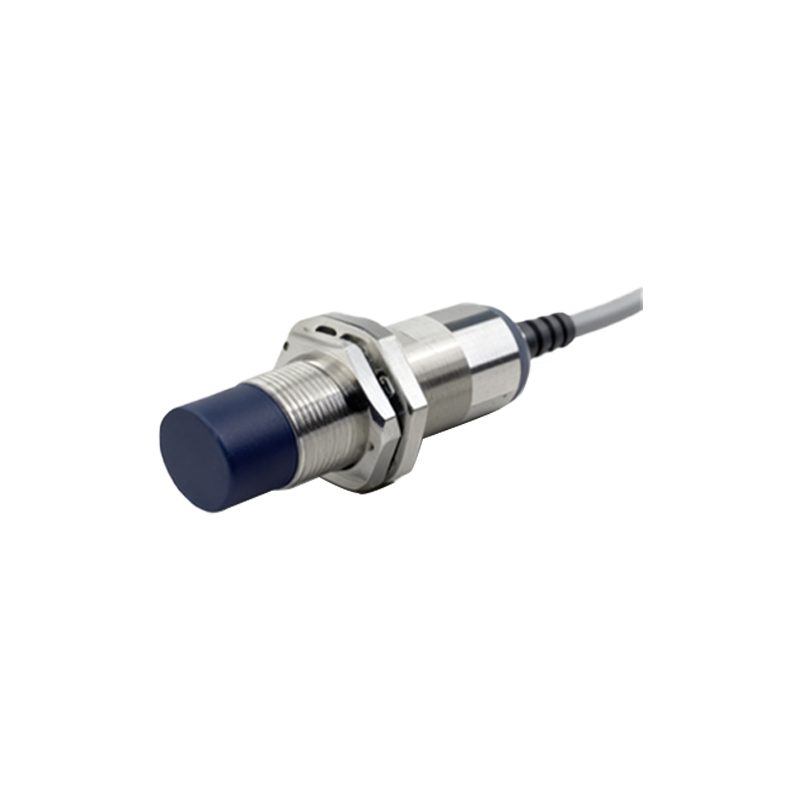
Beyond energy savings, sensor switches significantly enhance safety and security. Well-lit pathways deter potential intruders, and automatic lighting in entryways, garages, or backyards provides safe navigation after dark, reducing the risk of trips and falls. In office buildings, lights that activate upon entry ensure employees and visitors never have to fumble for a switch in a dark stairwell or conference room. Furthermore, the consistent, automated operation gives the appearance of an occupied home or office during vacations or off-hours, adding a valuable layer of security against burglary.
The application of sensor switches extends far beyond simple room lighting. They are crucial in smart home ecosystems, integrating with other devices for comprehensive automation. They can be used to control exhaust fans in bathrooms based on humidity or occupancy, manage lighting in smart refrigerators, or even trigger security cameras to start recording. In commercial environments, they are essential for maintaining hygiene in restrooms (controlling faucets, soap dispensers, and hand dryers) and for optimizing energy use in large, intermittently used spaces like warehouses, parking garages, and conference halls.
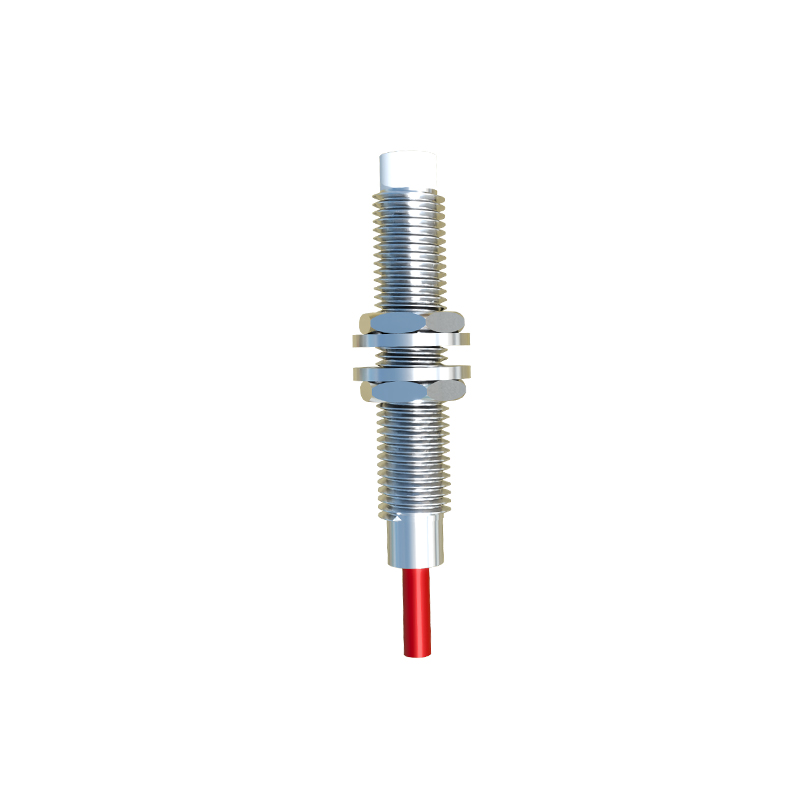
When selecting a sensor switch, several key factors should be considered. Detection Range and Angle: Ensure the sensor's coverage area matches the size and layout of the room. Timeout Duration: This adjustable setting determines how long the light stays on after motion ceases. A bathroom may need a shorter timeout than a garage. Ambient Light Detection: Many models include a daylight sensor to prevent activation during bright daylight, saving even more energy. Load Compatibility: Verify the switch is rated for the type and wattage of the lighting load (e.g., LED, fluorescent, incandescent). Modern switches are designed to work flawlessly with energy-efficient LED bulbs.
Installation is typically straightforward for those familiar with basic electrical work, involving connecting wires to replace an existing wall switch. However, consulting or hiring a qualified electrician is always recommended to ensure safety and proper configuration. Once installed, these switches operate silently and reliably for years with minimal maintenance.
In conclusion, the sensor switch is more than just a convenience gadget; it is a cornerstone of intelligent, efficient, and safe building management. By automating lighting control, it addresses practical concerns of cost, conservation, and safety with remarkable effectiveness. As technology advances, these devices are becoming more sophisticated, affordable, and integral to the automated environments we aspire to create. Adopting sensor switches is a clear, smart step toward a future where our spaces are not only reactive to our presence but are proactively aligned with our needs for efficiency, comfort, and security.