In the realm of industrial automation, robotics, and advanced electronics, the demand for faster, more precise, and reliable sensing solutions is ever-growing. High frequency proximity sensors stand at the forefront of meeting this demand. Unlike their standard counterparts, these sensors operate at significantly higher oscillation frequencies, enabling them to detect objects with exceptional speed and accuracy, often in challenging environments. This article delves into the core principles, diverse applications, and key considerations for selecting the right high frequency proximity sensor.
At its heart, a high frequency proximity sensor is a type of non-contact sensor, primarily inductive or capacitive, that generates a high-frequency electromagnetic field. For inductive sensors, the most common type for metal detection, a coil is energized by a high-frequency oscillator, typically ranging from several hundred kHz to over 1 MHz. When a metallic object enters this active field, eddy currents are induced on the object's surface. This causes a change in the oscillation amplitude or frequency within the sensor's circuit, which is then detected and converted into a clean output signal. The "high frequency" aspect is crucial: it allows for a more concentrated and sensitive field, enabling the detection of smaller objects, finer details, and providing faster response times—often in the microsecond range. Capacitive high frequency sensors work on a similar principle but react to changes in capacitance caused by any material, making them suitable for non-metallic targets like plastics, liquids, or wood.
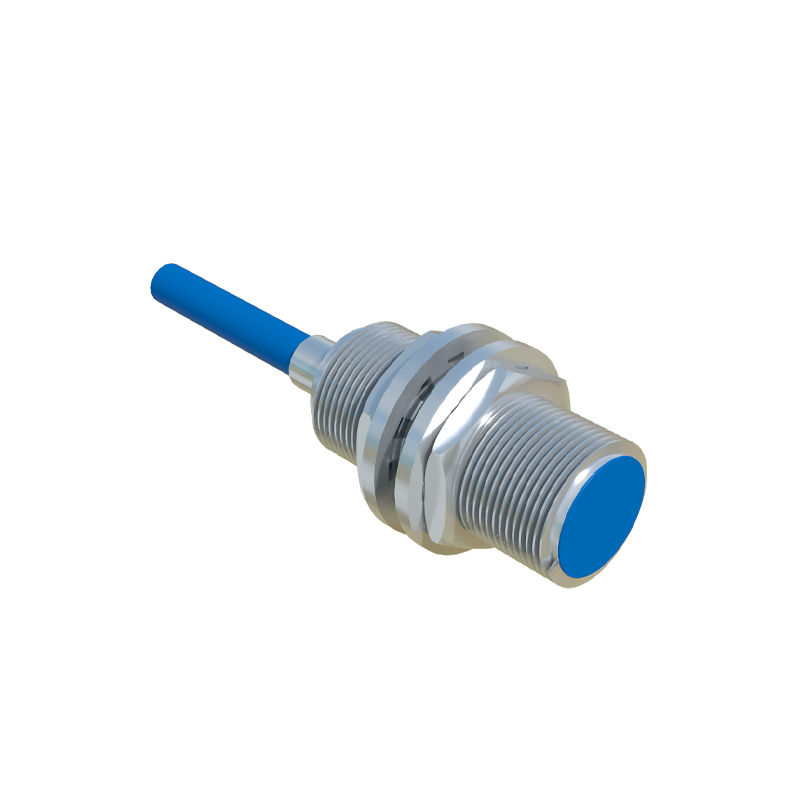
The advantages conferred by high frequency operation translate directly into performance benefits. First and foremost is speed. The rapid oscillation allows for incredibly fast detection cycles, making these sensors indispensable in high-speed production lines, packaging machinery, and robotic assembly where every millisecond counts. Secondly, they offer enhanced sensitivity and precision. The ability to detect tiny objects, thin wires, or fine markings on metal is a direct result of the concentrated high-frequency field. Furthermore, these sensors exhibit greater stability and are less susceptible to interference from adjacent metal structures or other sensors, a common issue known as mutual interference in dense installations. Their focused field also allows for more precise sensing ranges and better shielding.
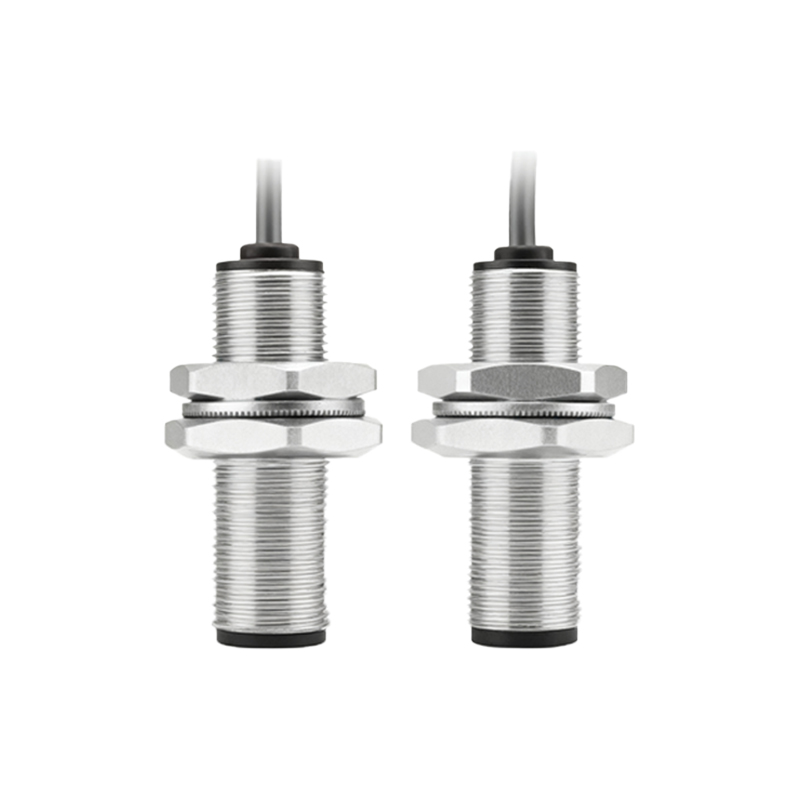
The applications for high frequency proximity sensors are vast and varied. In the electronics industry, they are used for precise PCB positioning, component counting, and verifying the presence of miniature connectors. Automotive manufacturing relies on them for high-speed inspection of engine parts, detecting gear teeth, and controlling robotic welders. In packaging, they ensure accurate label placement, cap detection on bottles, and counting of items on fast-moving conveyors. Metalworking applications include tool breakage detection, monitoring wire feed speeds, and controlling CNC machine tools. Their robustness also makes them suitable for harsh environments where vibration, dust, or coolant mist is present.
Selecting the appropriate high frequency proximity sensor requires careful analysis of several parameters. The primary consideration is the target material. For metals, an inductive sensor is the default choice. For non-metals, a capacitive sensor is needed. The required sensing distance, or range, must be determined, noting that high frequency sensors often have slightly reduced nominal ranges compared to standard sensors due to their focused field, but offer superior repeat accuracy. The physical size and form factor (e.g., cylindrical, rectangular, ring-shaped) must fit the installation space. Environmental factors like temperature extremes, potential for physical impact, and exposure to chemicals dictate the required housing material (often stainless steel or PBT plastic) and ingress protection (IP) rating. Finally, the electrical output type (PNP/NPN, NO/NC, analog, or IO-Link) must be compatible with the control system.
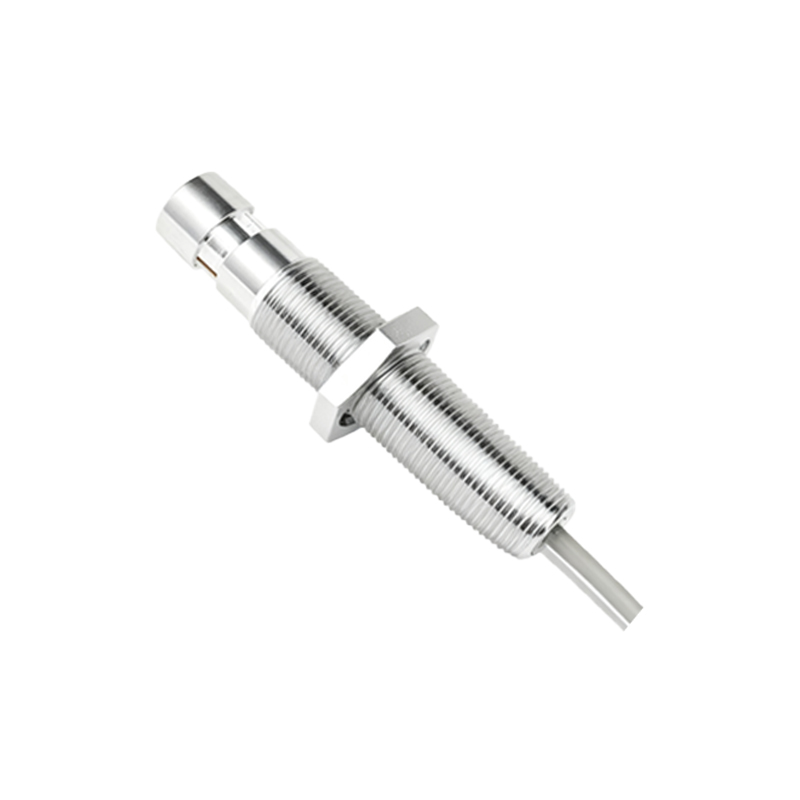
Installation and wiring are critical for optimal performance. Ensuring a stable mounting, free from excessive vibration, is essential. Maintaining the recommended gap between the sensor face and the target, and between multiple sensors, prevents false triggering. Proper shielding and grounding of cables minimize electrical noise interference, which is vital for maintaining the integrity of the high-frequency signal. Following the manufacturer's guidelines for voltage supply and load connection is paramount to avoid damage.
In conclusion, high frequency proximity sensors are specialized tools designed for applications where standard sensors fall short. Their core strength lies in combining rapid response with high precision and stability. By understanding the underlying technology and carefully matching sensor specifications to the application's demands—considering target material, required speed, accuracy, and environmental conditions—engineers and technicians can leverage these powerful devices to enhance automation efficiency, improve product quality, and enable more sophisticated robotic functions. As industries continue to push for higher speeds and smarter manufacturing, the role of the high frequency proximity sensor will only become more central.