Introduction to Yicheng Photoelectric Sensors
Yicheng photoelectric sensors represent a cornerstone technology in modern industrial automation, offering unparalleled precision in object detection, positioning, and quality control. These devices operate on the fundamental principle of converting light signals into electrical signals, utilizing components such as light-emitting diodes (LEDs), laser diodes, or infrared sources paired with phototransistors or photodiodes. The core mechanism involves the emitter projecting a light beam towards a target; the presence, absence, or specific characteristics of the target alter the light beam, which is then captured and interpreted by the receiver. This non-contact method of detection is critical in environments where physical contact could cause damage, contamination, or wear, ensuring long-term operational integrity and reducing maintenance costs. Industries ranging from automotive manufacturing and packaging to food processing and logistics rely heavily on the accuracy and durability of these sensors to maintain high throughput and stringent quality standards. The evolution of Yicheng's product line reflects a deep understanding of diverse industrial challenges, incorporating advanced materials and circuit designs to enhance performance in demanding conditions such as extreme temperatures, high vibration, and exposure to dust or moisture.
Key Technologies and Operating Modes
Yicheng photoelectric sensors are engineered with multiple operating modes to suit various application requirements, each offering distinct advantages. The through-beam (or opposed) mode employs separate emitter and receiver units positioned opposite each other; detection occurs when an object interrupts the light beam, providing the longest sensing ranges and highest reliability against environmental interference. Retro-reflective mode uses a single housing containing both emitter and receiver, along with a reflector; the sensor detects an object when it blocks the light beam reflected back, offering easier installation than through-beam systems while maintaining good range. Diffuse (or proximity) mode integrates emitter and receiver in one unit, detecting objects based on the light scattered back from the target's surface, which is ideal for close-range applications and varying surface colors or textures. Furthermore, advanced models feature background suppression technology, which uses triangulation to ignore distant backgrounds and detect only objects within a precise range, and polarized filters to eliminate false triggers from shiny surfaces. Yicheng continuously integrates smart features such as adjustable sensitivity, teach-in functions for easy setup, and IO-Link communication for real-time data exchange and predictive maintenance, aligning with Industry 4.0 trends.
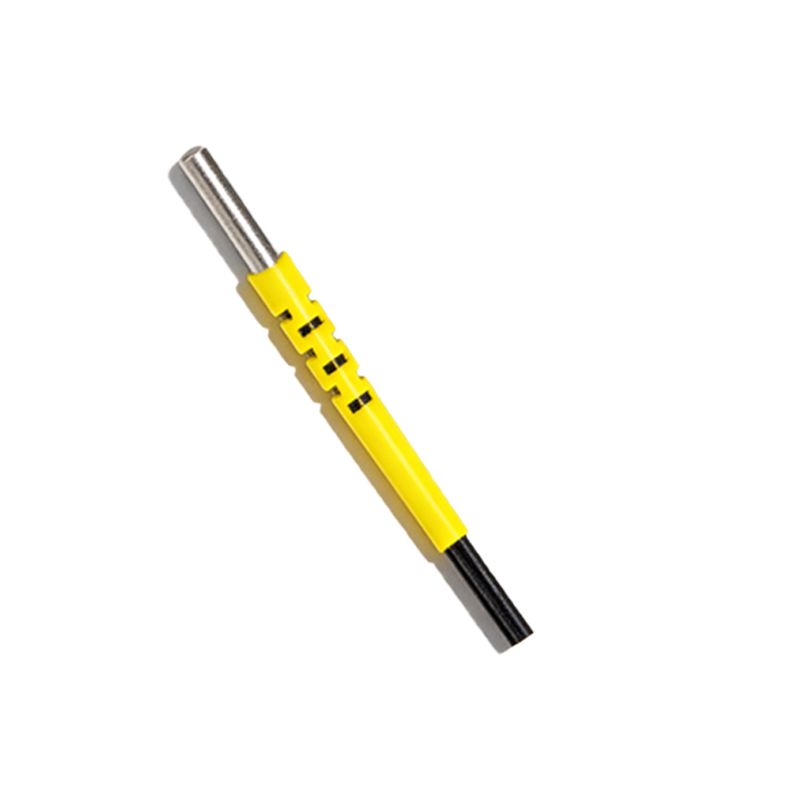
Applications Across Major Industries
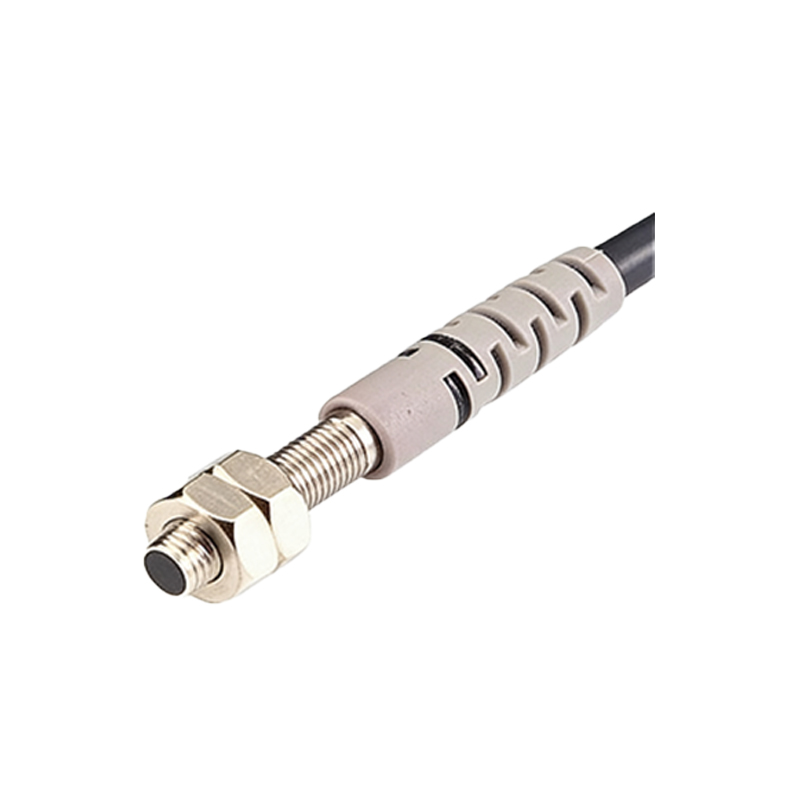
The versatility of Yicheng photoelectric sensors enables their deployment across a broad spectrum of industrial sectors. In automotive assembly lines, they precisely detect components on conveyor belts, verify part presence in robotic welding stations, and ensure correct positioning in engine assembly, contributing to zero-defect manufacturing goals. The packaging industry utilizes these sensors for label detection, fill-level control, and carton counting, where high-speed operation and immunity to color variations are paramount. Within food and beverage production, sensors with stainless steel housings and IP69K ratings withstand frequent washdowns, detecting bottles, cans, or packages on high-speed filling lines while ensuring hygiene compliance. Logistics and material handling systems employ them for parcel sorting, palletizing, and warehouse automation, where reliable detection under varying light conditions prevents jams and optimizes flow. Additionally, in pharmaceutical manufacturing, sensors enable precise counting of pills and inspection of blister packs, where accuracy directly impacts product safety and regulatory adherence. Each application leverages specific sensor attributes, such as long-range detection for large warehouses or miniature designs for tight spaces, demonstrating Yicheng's capability to provide tailored solutions.
Advantages in Performance and Durability
Yicheng photoelectric sensors are distinguished by their robust construction and consistent performance, which translate into significant operational benefits. Engineered with high-quality optical components, they deliver stable sensing even in challenging environments with ambient light interference, dust, or fog, thanks to modulated light signals and narrow-beam optics. The housings are typically made from rugged materials like nickel-plated brass or engineering plastics, offering resistance to mechanical impact, chemicals, and temperature fluctuations from -25°C to 70°C, ensuring reliability in both indoor and outdoor settings. Energy efficiency is another hallmark, with low-power LED light sources that extend service life to tens of thousands of hours, reducing replacement frequency and downtime. Many models feature LED status indicators for quick diagnostics, simplifying troubleshooting and maintenance. Furthermore, Yicheng emphasizes ease of integration, providing sensors with versatile mounting options, adjustable brackets, and compatibility with standard PLCs (Programmable Logic Controllers) and industrial networks. This combination of durability, precision, and user-friendly design minimizes total cost of ownership and enhances system uptime, making them a preferred choice for engineers seeking dependable automation components.
Future Trends and Innovations
The future of Yicheng photoelectric sensors is closely tied to advancements in industrial IoT (Internet of Things) and smart manufacturing. Emerging trends include the integration of higher-resolution sensing capabilities, enabling not just detection but also measurement of object dimensions, contrast, or surface defects. The adoption of multi-functional sensors that combine photoelectric sensing with other technologies, such as distance measurement via time-of-flight (ToF) or vision-based inspection, is on the rise, offering more comprehensive data from a single point. Enhanced connectivity through protocols like IO-Link, Ethernet/IP, and PROFINET allows sensors to transmit rich diagnostic information—such as contamination levels, temperature status, or remaining lifespan—to central control systems, facilitating predictive maintenance and reducing unplanned stoppages. Yicheng is also investing in miniaturization, producing smaller sensors for compact machinery without compromising performance, and developing models with improved resistance to harsh conditions like heavy washdowns or explosive atmospheres. As industries increasingly prioritize flexibility and data-driven decision-making, Yicheng's ongoing innovation in sensor intelligence and robustness will continue to play a pivotal role in shaping efficient, adaptive, and resilient automation ecosystems worldwide.