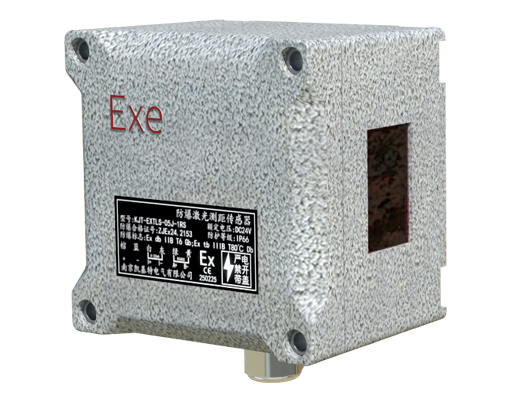
In the realm of precision measurement, laser distance sensors have become indispensable tools across industries from manufacturing and robotics to construction and surveying. Their ability to deliver fast, accurate, and non-contact measurements has revolutionized quality control and automation processes. But how exactly do these sophisticated devices determine distance with such high precision? The core principles rely on fundamental physics, primarily involving the properties of light and time.
The most prevalent technology in modern laser distance sensors is based on the Time-of-Flight (ToF) principle. This method is conceptually straightforward: it measures the time it takes for a laser pulse to travel from the sensor to a target object and back. Since the speed of light (c) in air is a known constant (approximately 299,792,458 meters per second), the distance (d) can be calculated using a simple formula: d = (c * t) / 2, where 't' is the measured round-trip time. The division by two accounts for the out-and-back journey of the light pulse. For instance, a time measurement of 6.67 nanoseconds corresponds to a one-meter round trip, meaning the target is 0.5 meters away. Modern electronics are capable of measuring these incredibly short time intervals with extreme accuracy, enabling distance measurements with millimeter or even sub-millimeter resolution. ToF sensors are excellent for medium to long-range measurements, often from a few centimeters up to several hundred meters, depending on laser power and design.
Another highly accurate principle, especially for shorter ranges, is laser triangulation. This method uses geometric relationships rather than direct time measurement. The sensor projects a visible or infrared laser spot onto the target surface. A lens in the receiver, positioned at a known angle (the baseline) to the laser emitter, images this spot onto a position-sensitive detector, typically a CCD or CMOS array. As the target distance changes, the position of the laser spot on this detector shifts. Using the known baseline and the angle of the reflected light, the sensor's internal processor calculates the distance via trigonometric functions. Triangulation sensors offer very high accuracy and resolution at close ranges, typically from a few millimeters up to about a meter. They are particularly sensitive to the target's surface properties and color, which can affect the reflection.
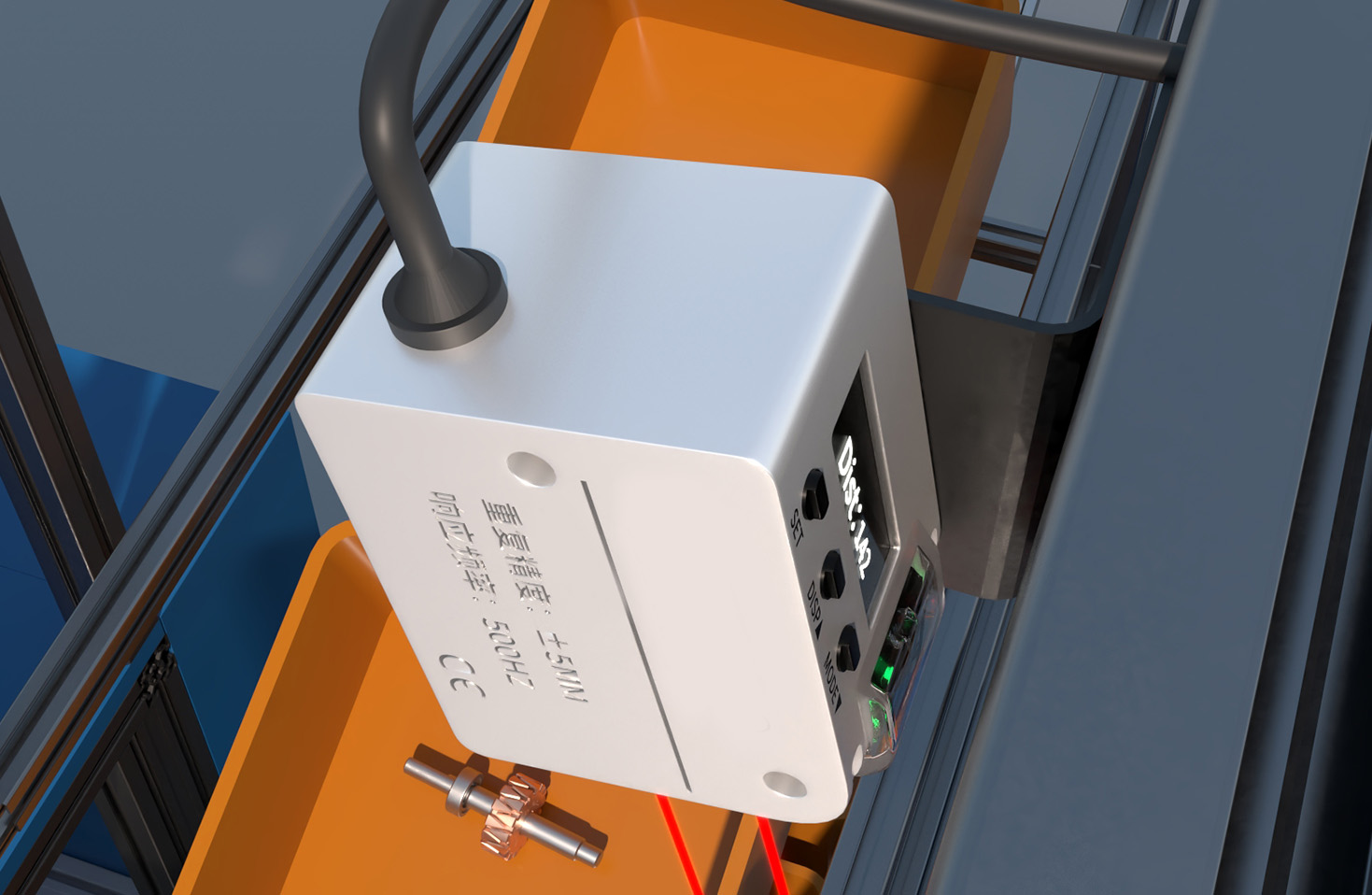
A third common principle is Phase-Shift measurement, often used in laser rangefinders and some industrial sensors. This method involves modulating the amplitude of the laser beam with a high-frequency signal. The sensor emits this modulated continuous wave (CW) laser and compares the phase of the reflected wave with the phase of the emitted wave. The distance to the target causes a phase shift in the modulation signal. By measuring this shift, the sensor can calculate the time of flight and thus the distance. Phase-shift systems are very accurate for medium distances and can handle various surface types effectively. They bridge a gap between the very short-range triangulation and the very long-range pulse ToF methods.
Regardless of the core principle, several factors influence the performance and accuracy of a laser distance sensor. The target's surface characteristics are paramount. A rough, diffuse surface scatters light in many directions, potentially weakening the return signal. A shiny, specular surface can reflect the beam away from the receiver, causing a measurement error or loss of signal. Advanced sensors often incorporate algorithms to compensate for different materials. Environmental conditions like ambient light, dust, fog, or temperature variations can also interfere with the laser beam. Many industrial-grade sensors are equipped with filters and robust housing to mitigate these effects.
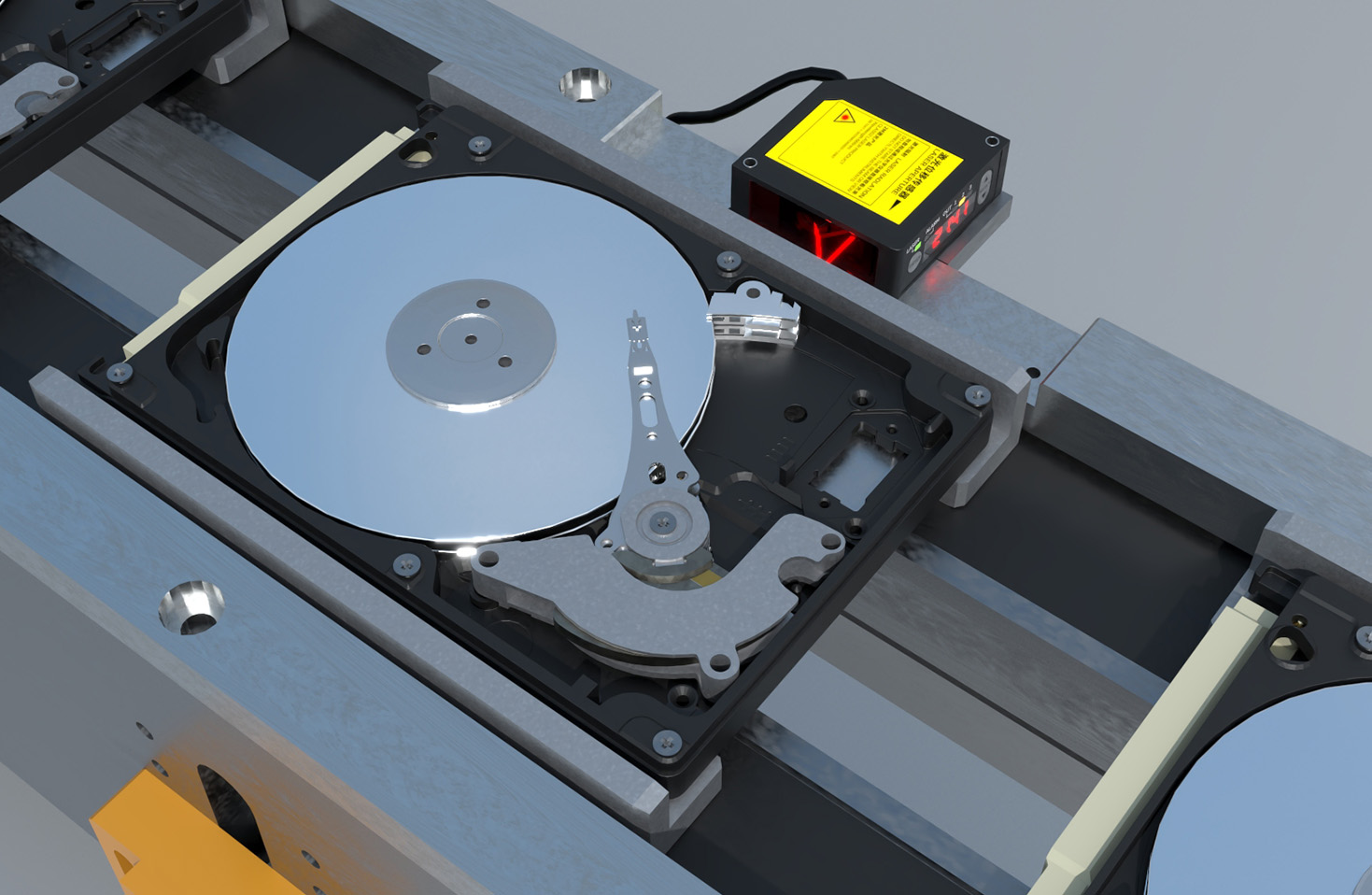
The applications of these principles are vast. In automated warehouses, ToF sensors guide autonomous mobile robots (AMRs). On production lines, triangulation sensors verify component dimensions with micron-level precision. In construction, phase-shift rangefinders quickly measure room dimensions and areas. The choice of measurement principle depends entirely on the specific requirements of range, accuracy, speed, target surface, and environmental conditions.
Understanding these fundamental principles—Time-of-Flight, Triangulation, and Phase-Shift—provides a solid foundation for selecting the right laser distance sensor for any application. It demystifies the technology behind the instantaneous digital readout, revealing a precise interplay of light, time, and geometry.