Introduction to Proximity Sensors
Proximity sensors are essential components in industrial automation, designed to detect the presence or absence of an object without physical contact. Among various types, 3-wire sensors are widely used due to their reliability and ease of integration. These sensors operate on DC power and feature three wires: one for power supply (typically brown), one for ground (blue), and one for the output signal (black). The output can be configured as either normally open (NO) or normally closed (NC), depending on the application requirements. Understanding the differences between NO and NC configurations is crucial for optimizing system performance and ensuring safety in electrical circuits.
Normally Open (NO) Configuration
In a normally open configuration, the output circuit remains open when no target is detected. When a target enters the sensing range, the sensor activates, closing the circuit and allowing current to flow through the output wire. This setup is commonly used in applications where an action should occur only upon detection, such as starting a conveyor belt when an object is present. NO sensors are preferred for energy efficiency, as they consume minimal power in the idle state. However, it's important to note that a failure in the sensor might result in no signal output, potentially causing system downtime if not monitored properly.
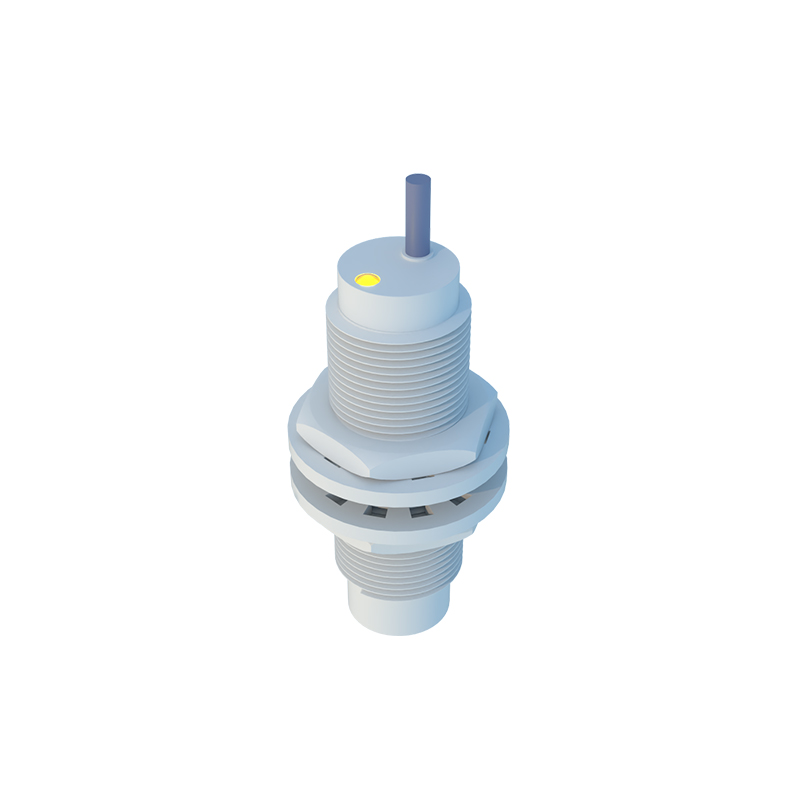
Normally Closed (NC) Configuration
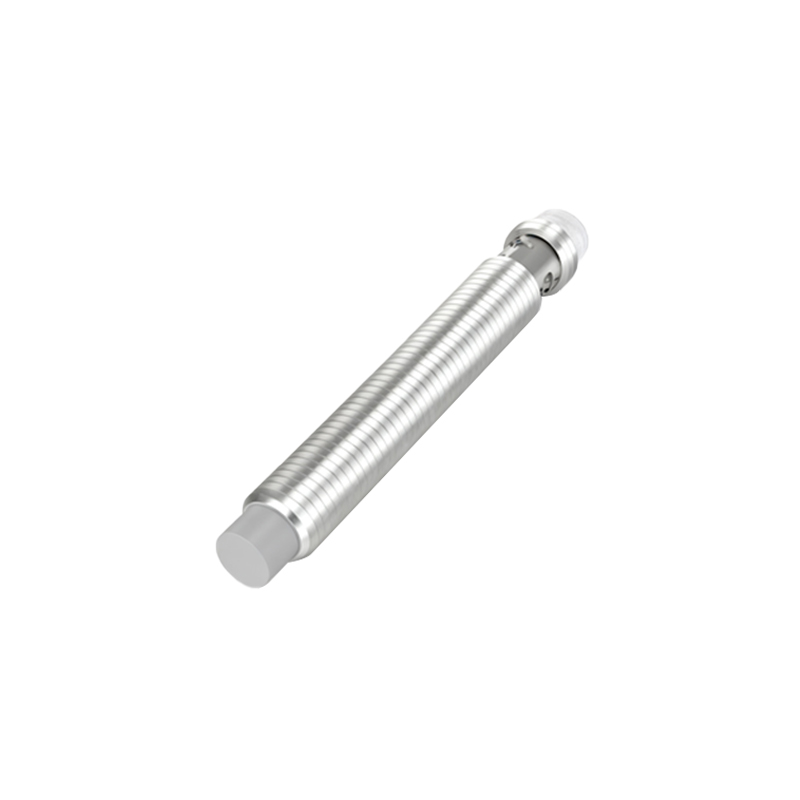
Conversely, a normally closed configuration keeps the output circuit closed when no target is detected. When a target is sensed, the circuit opens, interrupting the current flow. NC sensors are often employed in safety-critical systems, such as emergency stop circuits or guard door monitoring, where a break in the circuit triggers an alarm or shutdown. This design ensures that a sensor failure (e.g., wire breakage) mimics the detection state, providing a fail-safe mechanism. While NC sensors may draw more power in standby mode, their reliability in hazardous environments makes them indispensable for industrial safety protocols.
Wiring and Installation Considerations
Proper wiring is vital for the functionality of 3-wire proximity sensors. The brown wire connects to the positive DC voltage (typically 10-30V DC), the blue wire to the negative or ground, and the black wire to the load (e.g., a PLC input or relay). For NO sensors, the load is connected between the black wire and ground; for NC sensors, it's between the black wire and power. Installers must ensure correct polarity and use shielded cables in environments with electrical noise to prevent false triggers. Additionally, mounting distance and alignment should adhere to manufacturer specifications to avoid reduced sensing range or erratic behavior.
Applications in Industrial Automation
3-wire NO and NC proximity sensors find diverse applications across industries. In manufacturing, they are used for object counting, position detection, and limit switching in machinery. For example, an NO sensor might activate a robotic arm when a part is in place, while an NC sensor could monitor a safety gate to halt operations if opened. In automotive assembly lines, these sensors ensure precise component placement and quality control. Their non-contact nature minimizes wear and tear, leading to lower maintenance costs and increased operational lifespan in high-cycle environments.
Advantages and Limitations
The primary advantages of 3-wire proximity sensors include high switching speeds, long service life, and resistance to environmental factors like dust or moisture when properly sealed. NO configurations offer simplicity for standard detection tasks, whereas NC configurations enhance safety through fail-safe design. However, limitations exist: 3-wire sensors require a dedicated power supply, unlike 2-wire variants that can loop into the load circuit. They may also be susceptible to electromagnetic interference if not shielded adequately. Choosing between NO and NC depends on factors like system logic, safety requirements, and power consumption needs.
Maintenance and Troubleshooting Tips
Regular maintenance ensures optimal sensor performance. Inspect sensors periodically for physical damage, contamination, or misalignment. Clean sensing faces with a soft cloth to prevent false readings from debris. Use a multimeter to check voltage levels at the wires; for NO sensors, output voltage should rise when activated, while for NC sensors, it should drop. Common issues include no output signal (check power and wiring), intermittent operation (assess for interference), or reduced sensing range (calibrate or replace). Always refer to the manufacturer's manual for specific guidelines and disconnect power before servicing to avoid electrical hazards.
Future Trends and Innovations
Advancements in proximity sensor technology continue to evolve, with trends toward miniaturization, enhanced sensing ranges, and smart features like IO-Link communication for real-time diagnostics. Integrated NO/NC configurable sensors are gaining