In the realm of modern building automation and security, the humble door plays a pivotal role. Its function, however, has evolved far beyond a simple physical barrier. The integration of proximity switch sensors has transformed doors into intelligent interfaces, enhancing safety, efficiency, and user experience. These sensors, often unseen, are the silent sentinels that detect the presence or position of a door, triggering a cascade of automated actions.
A door proximity switch sensor is a non-contact device that detects the presence or absence of a door (or its components, like a strike plate or magnet) within a specific range. Unlike mechanical limit switches that require physical contact, proximity sensors operate using electromagnetic fields, infrared light, or ultrasonic waves. The core principle is simple: when the door moves into or out of the sensor's detection zone, it creates a signal change. This signal is then interpreted by a connected control system, such as an access control panel, automatic door operator, or building management system.
The applications are vast and varied. In commercial settings, automatic sliding doors at supermarkets and airports rely heavily on motion-activated proximity sensors for hands-free operation, promoting accessibility and hygiene. In secure facilities, magnetic proximity sensors monitor whether a secured door is truly closed and latched, sending an immediate alert if it is left ajar, a critical function for containment and safety protocols. For energy management, sensors on exterior doors can signal HVAC systems to adjust when a door is frequently opened, conserving energy. Even in residential smart homes, these sensors can trigger lights, security alarms, or notifications when a door is opened or closed.
Several technologies underpin these sensors. Inductive proximity sensors are common for detecting metal. A door frame might have a sensor that detects a metal strike plate on the door itself, perfect for monitoring the closed status of metal doors. Magnetic reed switches (a type of proximity sensor) use a pair of components: one mounted on the door frame and a magnet on the door. When the door closes and the magnet comes near the switch, the contacts close, completing a circuit. They are simple, low-cost, and extremely reliable for basic open/closed detection. Capacitive proximity sensors can detect both metallic and non-metallic objects, making them suitable for wooden or composite doors. For automatic opening, passive infrared (PIR) sensors or microwave sensors detect the motion of a person approaching, initiating the door cycle.
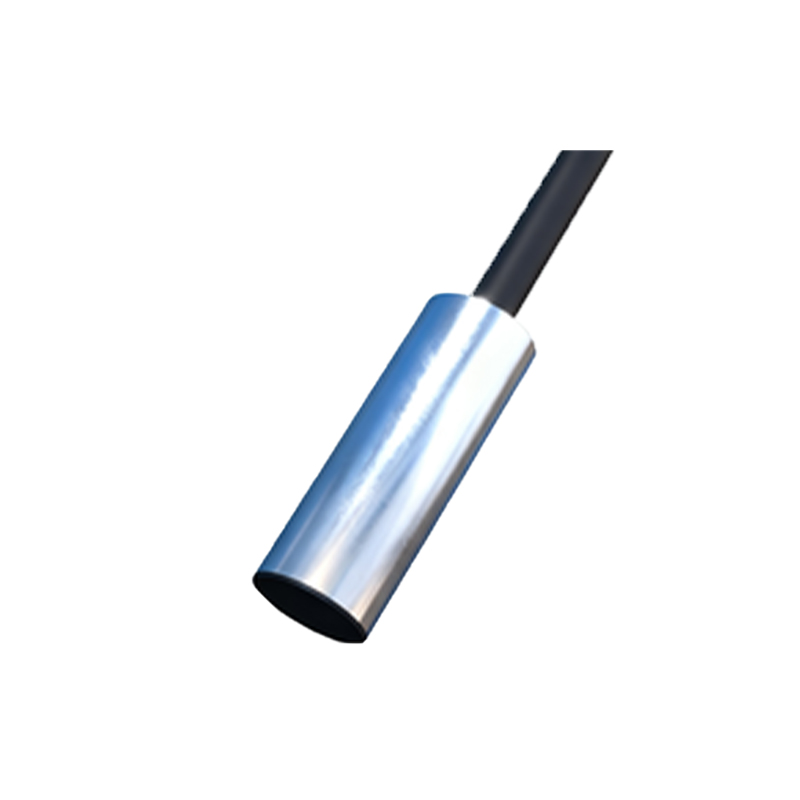
The benefits of implementing door proximity sensors are compelling. Enhanced Security is paramount. Real-time door status monitoring prevents unauthorized entry through propped-open doors and ensures all points of entry are secured as intended. Improved Accessibility for individuals with disabilities is facilitated by automatic door operators triggered by sensors. Operational Efficiency is boosted in industrial and logistics settings, where sensors on high-traffic doors can coordinate with machinery and vehicle movement, streamlining workflows. Furthermore, they contribute to Energy Conservation by ensuring doors are not left open unnecessarily, reducing thermal loss.
Selecting the right sensor requires consideration of several factors. The detection range must be appropriate for the door's movement. The environment is crucial; sensors in outdoor or harsh industrial conditions need high ingress protection (IP) ratings against dust and moisture. The output type (e.g., digital ON/OFF, analog) must be compatible with the existing control system. Finally, power requirements and installation method (embedding, surface-mounting) play a key role in the feasibility of the project.
Installation and maintenance are generally straightforward. Proper alignment between the sensor and its target is critical for reliable operation. For magnetic types, the gap between the magnet and the switch must be within specified limits. Regular testing and cleaning of the sensor face to remove dirt, debris, or ice buildup ensure long-term, fail-safe performance. As part of the Internet of Things (IoT) trend, newer sensor models offer networked connectivity, allowing for remote monitoring, diagnostics, and integration into larger smart building ecosystems.
In conclusion, door proximity switch sensors are fundamental components in the move towards smarter, safer, and more efficient built environments. They provide the essential data point—"is the door open or closed?"—that enables a wide spectrum of automated responses. From ensuring a retail entrance welcomes customers smoothly to guaranteeing a fire-rated door is sealed in an emergency, these devices, though often overlooked, are indispensable in modern architecture and facility management. Their continued evolution, with a focus on wireless connectivity and predictive analytics, promises even greater integration and intelligence for the doors of the future.