Introduction to the NBN8 Proximity Sensor
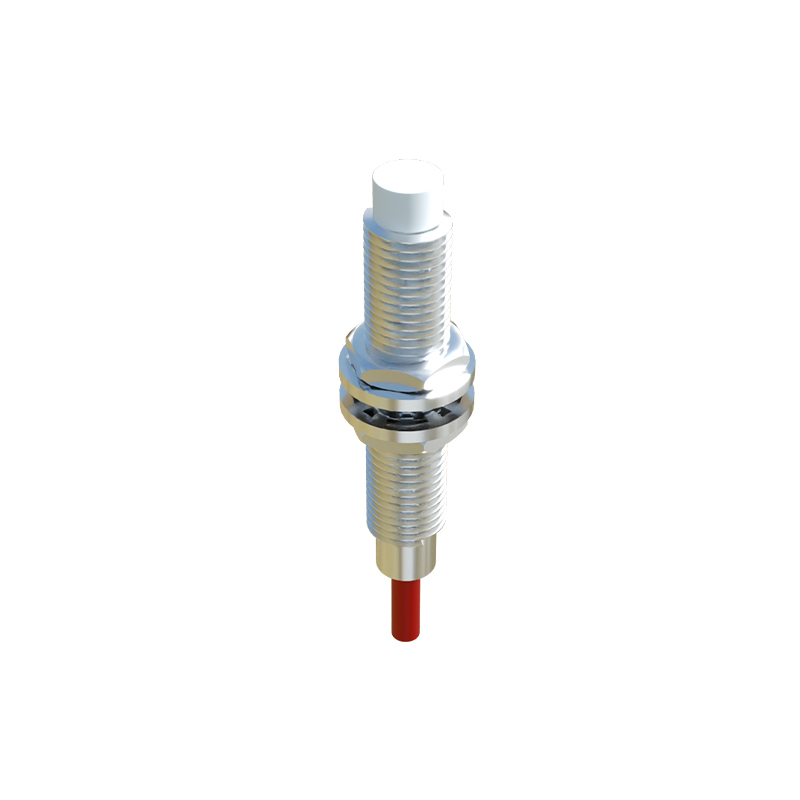
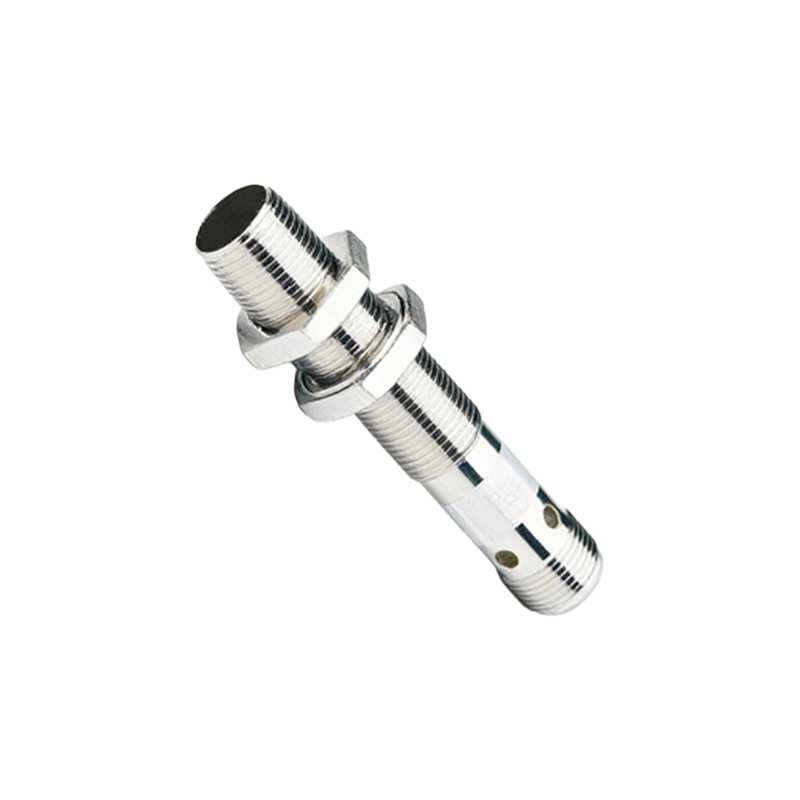
The NBN8 series represents a robust and reliable line of inductive proximity sensors engineered for demanding industrial environments. These sensors are non-contact devices designed to detect the presence of metallic objects without physical contact. Operating on the principle of electromagnetic induction, the NBN8 generates an oscillating electromagnetic field from its sensing face. When a metallic target enters this field, eddy currents are induced within the target, causing a change in the oscillation amplitude. This change is detected by the sensor's internal circuitry, which subsequently triggers a solid-state switching output. The NBN8 is renowned for its compact cylindrical housing, typically in an 8mm diameter format, offering easy integration into space-constrained machinery and automated systems. Its construction often features a nickel-plated brass or stainless-steel barrel, providing excellent resistance to mechanical impacts, coolant ingress, and electromagnetic interference, ensuring consistent performance on factory floors.
Key Technical Specifications and Performance Data
Understanding the technical parameters of the NBN8 is crucial for proper selection and application. The standard sensing range for an 8mm inductive sensor like the NBN8 is typically up to 2mm, with a guaranteed operating distance of 1.5mm or 2mm, depending on the specific model and target material. It is important to note that the effective sensing distance can vary with the target metal; ferrous metals like mild steel provide the nominal range, while non-ferrous metals like aluminum or copper may reduce it, often requiring a correction factor. The NBN8 usually operates on a wide range DC supply voltage, commonly from 10-30V DC or 10-65V DC, making it compatible with most industrial control systems. Output configurations are predominantly PNP (sourcing) or NPN (sinking) transistor outputs, with a standard switching current of 200mA, sufficient to directly drive relays, PLC inputs, or small solenoids. Key performance metrics include a high switching frequency, often up to 2kHz, allowing for the detection of rapidly moving parts, and excellent repeat accuracy, typically within 3% of the sensing range.
Wiring and Installation Best Practices
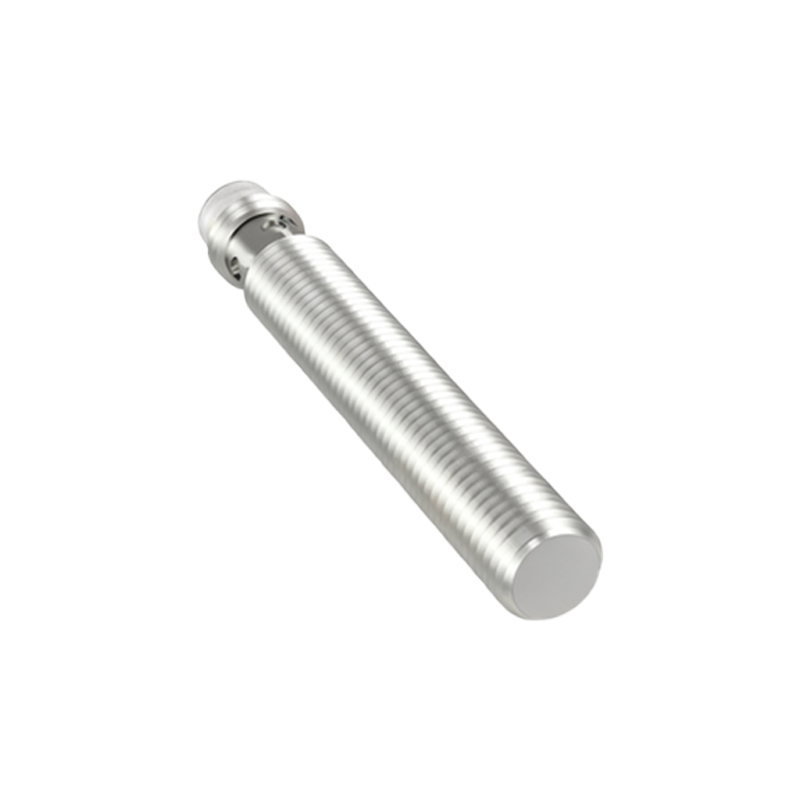
Correct installation is paramount for optimal sensor performance and longevity. The NBN8 is typically available in a 3-wire configuration, with leads color-coded as brown (positive/V+), blue (negative/V-), and black (output signal). For a PNP version, the black wire sources current to the load when activated. Shielding or grounding the sensor body, especially in environments with strong EMI, can prevent false triggering. When mounting, ensure the sensing face is flush and free from obstructions. Maintain the specified lateral and axial clearance distances from surrounding metal structures to prevent parasitic switching. For threaded barrel models, use the appropriate lock nut to secure the sensor firmly against vibration. In applications involving different target materials, always conduct real-world tests to verify the actual sensing distance before finalizing the mechanical design. Proper cable management, using conduits or cable carriers, protects the connecting wires from abrasion and accidental damage.
Primary Industrial Applications and Use Cases
The NBN8 proximity sensor finds extensive use across diverse automation sectors due to its versatility and durability. In automotive assembly lines, it is employed for part presence verification, such as confirming a piston is in place before machining or checking for a metal bracket on a conveyor. Within packaging machinery, it serves as a precise position sensor for counting metallic items, detecting the end-of-travel for actuators, or ensuring a metal lid is correctly positioned for sealing. CNC machine tools utilize these sensors for tool breakage detection, spindle positioning, and pallet shuttle confirmation. In material handling, the NBN8 monitors the position of metallic grippers on robotic arms or detects the passage of metal containers on a sorting line. Its resistance to oils and coolants makes it ideal for wet environments commonly found in metalworking and machining centers.
Advantages Over Alternative Sensing Technologies
Compared to other non-contact sensing methods, the inductive NBN8 offers distinct benefits. Unlike mechanical limit switches, it has no moving parts, leading to virtually infinite mechanical life, higher reliability, and faster response times. It is immune to accumulated dust, dirt, or grime on the sensing face (provided it is non-metallic), a common failure point for optical sensors. While capacitive sensors can detect non-metals, the NBN8's inductive design provides superior stability and is unaffected by changes in humidity, material density, or container contents, making it specifically tuned and predictable for metal detection. Its solid-state output provides bounce-free switching, crucial for high-speed counting and precise timing applications. The rugged metal housing offers better physical protection than many plastic-housed phot