Introduction to Photoelectric Sensor Technology
Photoelectric sensors are indispensable components in modern industrial automation, utilizing light beams to detect the presence, absence, or distance of objects. Their applications span across packaging, material handling, automotive assembly, and food processing industries. The core principle involves an emitter light source and a receiver; when the light beam is interrupted or reflected by an object, the sensor triggers an output signal. Key types include through-beam, retro-reflective, diffuse, and background suppression sensors, each suited for specific environmental challenges and detection ranges. The reliability and precision of these sensors directly impact production efficiency and safety, making the choice of manufacturer a critical decision for engineers and system integrators.
Key Criteria for Evaluating Manufacturers
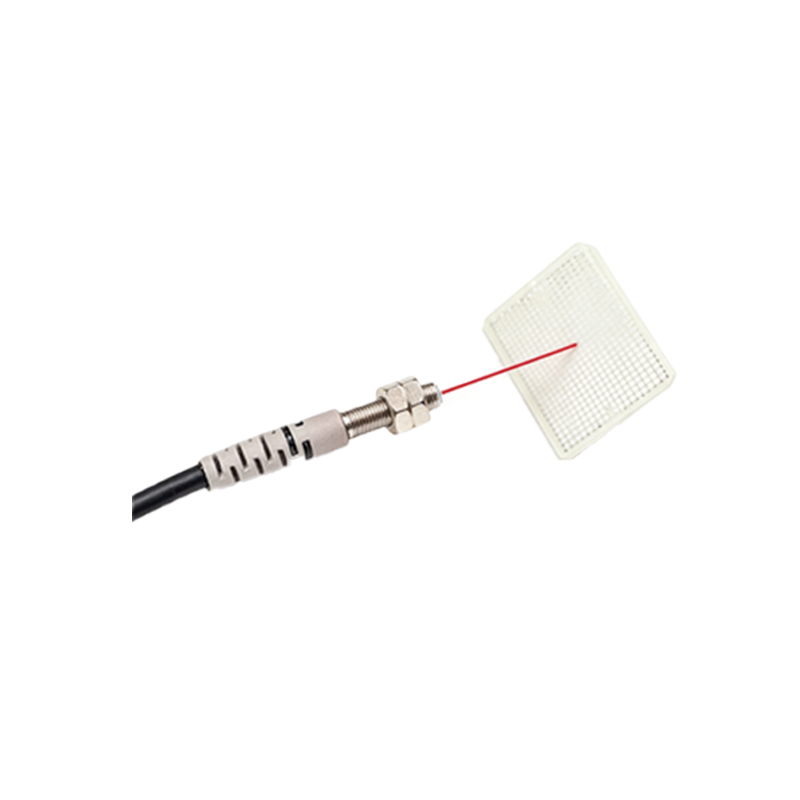
Selecting the best photoelectric sensor manufacturer requires a thorough assessment of several technical and commercial factors. Product range and innovation are paramount; leading companies offer extensive portfolios covering diverse sensing modes, housing materials (e.g., stainless steel for harsh environments), and advanced features like IO-Link connectivity or hygienic designs. Quality and durability, often verified through IP ratings and industry certifications (e.g., UL, CE), ensure longevity in demanding operations. Global support and availability are crucial for multinational projects, encompassing local distribution networks, responsive technical assistance, and comprehensive documentation. Finally, cost-effectiveness, balancing initial investment with total cost of ownership, including maintenance and energy efficiency, plays a significant role in procurement decisions.
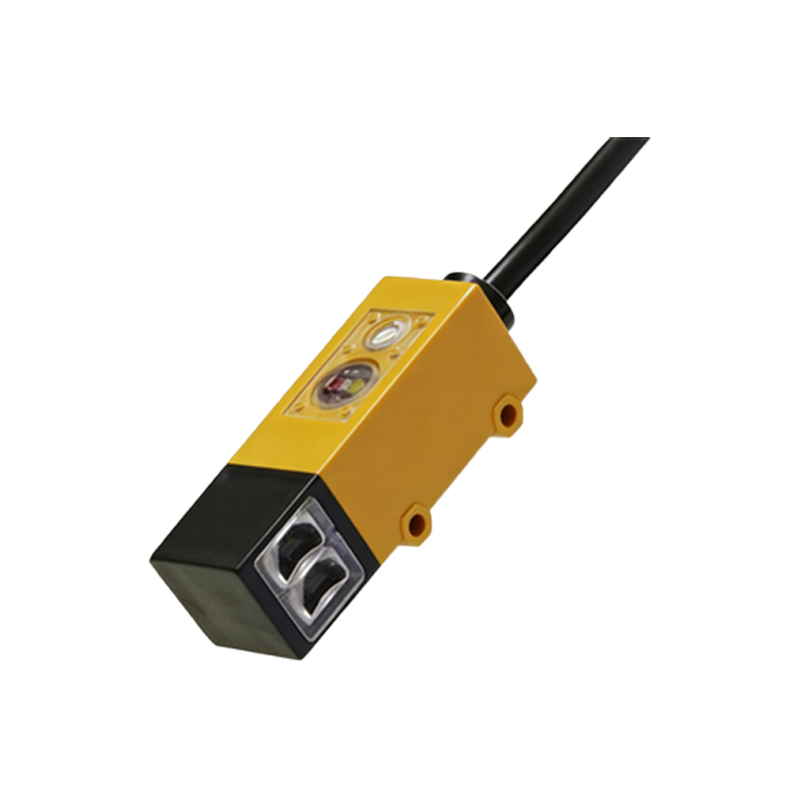
Leading Global Manufacturers Overview
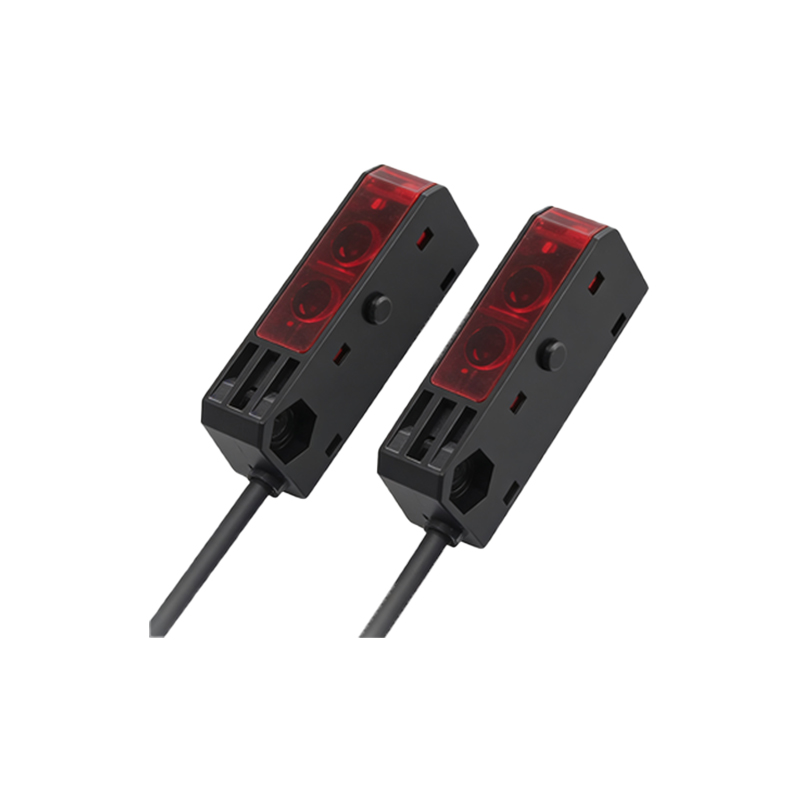
Several manufacturers have established themselves as industry leaders through consistent innovation and reliability. Omron, a Japanese multinational, is renowned for its E3Z and E3JK series, offering high precision and robust designs for factory automation. Sick AG, based in Germany, excels in advanced sensor solutions, particularly in logistics and safety systems, with products like the WT series providing exceptional background suppression capabilities. Banner Engineering, from the United States, is praised for its user-friendly and versatile sensors, such as the QS18 series, which are highly adaptable to various industrial settings. Keyence, another Japanese leader, focuses on high-performance and compact sensors, like the PZ series, integrating cutting-edge technology for precise detection. These companies set benchmarks in performance, supported by strong R&D and global service networks.
In-Depth Analysis of Top Contenders
Omron's photoelectric sensors are celebrated for their durability and advanced functionalities, including built-in amplifiers and teach-in modes that simplify setup. Their devices often feature enhanced noise immunity and stable detection in challenging conditions, such as varying surface colors or ambient light interference. Sick AG specializes in customized solutions, with sensors designed for specific industries like automotive or pharmaceuticals, incorporating laser technology for long-range detection. Banner Engineering stands out for its rugged designs and excellent value, offering sensors with patented innovations like "perfect proximity" for reliable sensing at close ranges. Keyence emphasizes miniaturization and high-speed response, ideal for space-constrained applications in electronics manufacturing. Each brand's strengths cater to different operational priorities, from cost-efficiency to technological sophistication.
Industry Applications and Case Studies
The effectiveness of photoelectric sensors is best demonstrated through real-world applications. In automotive manufacturing, sensors from Sick AG are used for precise part positioning on assembly lines, ensuring accuracy in robotic welding processes. Omron sensors play a vital role in packaging lines, detecting misaligned labels or missing caps to maintain product quality. Banner Engineering's devices are common in material handling, monitoring conveyor belt movements to prevent jams and optimize throughput. Keyence sensors are integral in semiconductor production, where their high sensitivity detects minute components without physical contact. These examples highlight how top manufacturers tailor solutions to enhance productivity, reduce downtime, and improve safety across sectors.
Future Trends and Technological Advancements
The photoelectric sensor industry is evolving with trends like Industry 4.0 and IoT integration. Smart sensors with embedded diagnostics and data logging capabilities are becoming standard, enabling predictive maintenance and real-time monitoring. Manufacturers are investing in miniaturization and energy-efficient designs to meet space and power constraints. Enhanced communication protocols, such as IO-Link and Ethernet/IP, facilitate seamless integration into networked systems. Additionally, advancements in light source technology, including blue LED and laser diodes, offer improved detection of challenging materials. As automation grows, manufacturers that prioritize innovation, sustainability, and digital connectivity will lead the market, driving smarter and more resilient industrial ecosystems.
Conclusion and Selection Recommendations
Choosing the best photoelectric sensor manufacturer depends on specific application needs, budget, and technical requirements. For high-precision and innovative features, Keyence and Omron are excellent choices. If durability and industry-specific customization are priorities, Sick AG and Banner Engineering offer robust solutions. Engineers should evaluate sample testing, support services, and long-term reliability when making decisions. Ultimately, partnering with a reputable manufacturer ensures optimal performance, contributing to efficient and future-ready automation systems. Continuous engagement with industry developments will help maintain competitiveness in a rapidly advancing technological landscape.