Understanding Photoelectric Sensor Technology
Photoelectric sensors are indispensable components in modern industrial automation, utilizing light beams to detect the presence, absence, or distance of objects. Their operation hinges on a simple principle: an emitter projects a light beam (visible red, infrared, or laser) towards a receiver. The sensor's output state changes based on how this light beam is affected by the target object. The three primary operating modes are through-beam, retro-reflective, and diffuse reflective. Through-beam sensors, with separate emitter and receiver units, offer the longest sensing ranges and highest reliability, as they detect an interruption in a direct beam. Retro-reflective models use a single housing with both emitter and receiver, relying on a reflector to bounce the light back; they are excellent for detecting objects that break this reflected beam. Diffuse reflective sensors detect light reflected directly off the target object itself, making them compact and easy to install, though sensing range and performance can be influenced by the object's color, texture, and reflectivity.
Key Performance Metrics for Evaluation
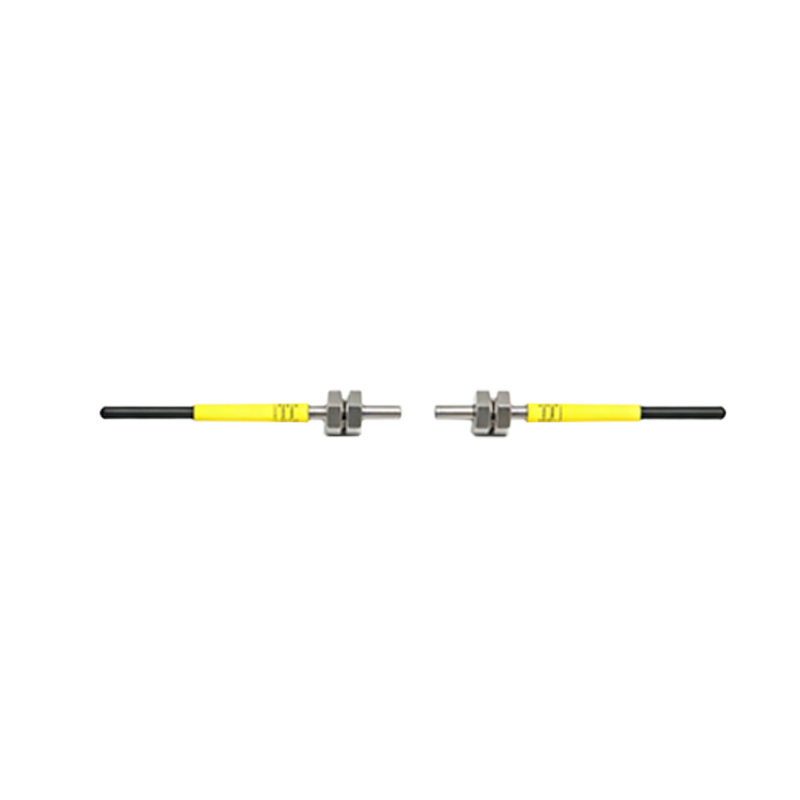
Selecting a high-performance photoelectric sensor requires careful analysis of several critical specifications. Sensing range, the maximum distance at which an object can be reliably detected, is paramount. It varies significantly by type; laser-based sensors can achieve ranges of hundreds of meters, while standard diffuse models may be limited to a few centimeters. Response time, or switching frequency, determines how quickly the sensor can detect a change and alter its output. For high-speed packaging or sorting lines, a fast response time (in microseconds) is non-negotiable. Environmental robustness is another crucial factor. An Ingress Protection (IP) rating (e.g., IP67, IP69K) indicates resistance to dust and water, while operational temperature range ensures functionality in harsh conditions. Finally, light source type plays a role: infrared LEDs are immune to ambient light interference, red LEDs are easy to align visually, and laser diodes provide precise, long-range detection.
Factors Influencing Reliability and Accuracy
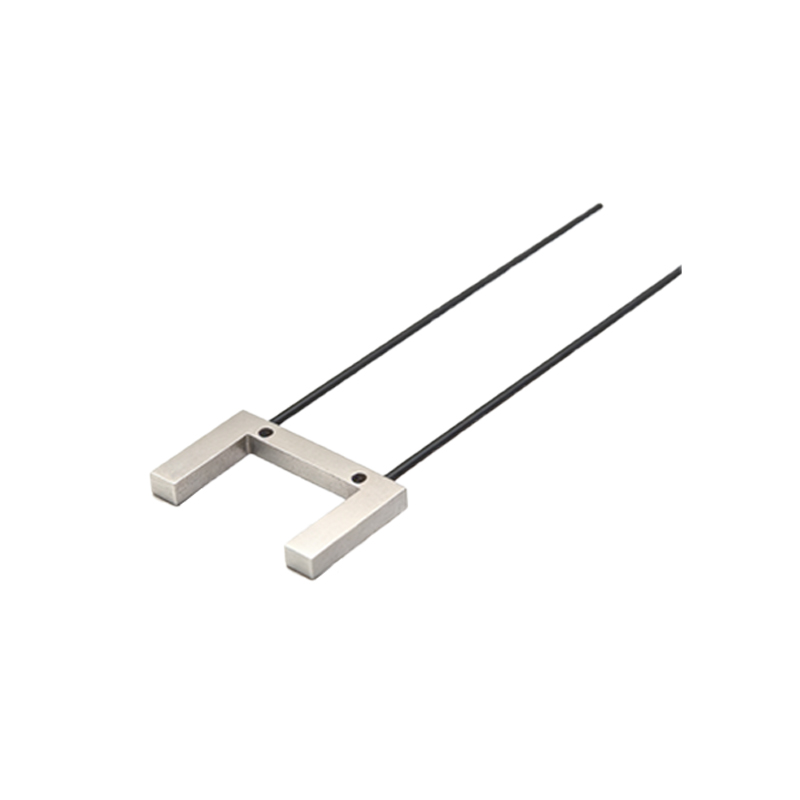
Even a sensor with excellent nominal specs can underperform if application-specific factors are ignored. The target object's properties are the primary influencer. A dark, matte, or irregularly shaped object will reflect less light than a shiny, white one, potentially reducing the effective sensing range of a diffuse sensor. Background interference is another common challenge. In retro-reflective or diffuse modes, highly reflective surfaces behind or near the target can cause false triggers. Many modern sensors combat this with background suppression technology, which uses triangulation to only detect objects within a precise, defined distance. Ambient light from factory windows or welding arcs can also saturate the receiver. Choosing a sensor with a modulated LED light source and a tuned receiver circuit is essential, as it allows the sensor to ignore constant or unmodulated ambient light and only respond to its own pulsed signal.
Advanced Features for Demanding Applications
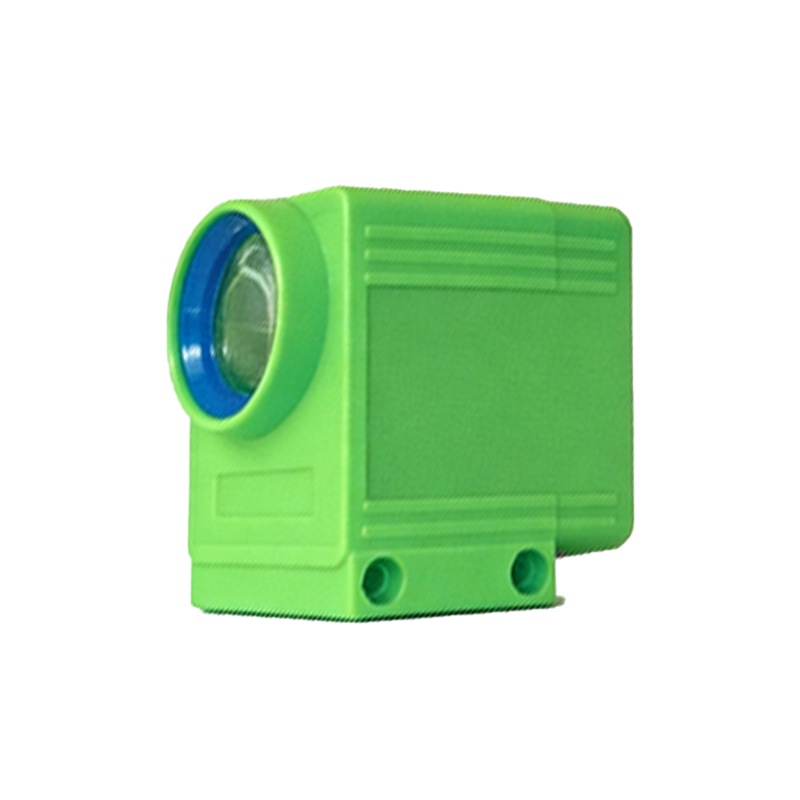
Today's high-end photoelectric sensors incorporate sophisticated features that solve complex detection problems. Contrast sensors, for example, are designed to distinguish between two different surface colors or contrasts on a product, crucial in quality control. Luminescence sensors detect the presence of materials (like glues or labels) that fluoresce under UV light, even if they are transparent under normal light. Fiber optic versions separate the sensing head from the amplifier electronics via flexible cables, allowing detection in extremely hot, cramped, or hazardous locations. For precise distance measurement or level control, analog output sensors provide a continuous voltage or current signal proportional to the distance to the target, far more informative than a simple on/off switch. Finally, programmable sensors with teach-in functions (via a button or remote input) allow for easy on-site adjustment of sensitivity and switching thresholds, simplifying setup and adaptation to varying conditions.
Selection Criteria for Optimal Performance
A systematic approach ensures the selection of the best-performing sensor for a given task. First, define the physical requirements: required sensing distance, target size, and material. For long-range or harsh environments (dust, steam), a through-beam or ruggedized retro-reflective sensor is ideal. For short-range detection of varied objects on a conveyor, a diffuse sensor with background suppression may be the solution. Second, assess the electrical and connection needs: required output type (PNP/NPN, relay, analog), supply voltage, and connection style (cable or quick-disconnect). Third, consider the installation environment: temperature extremes, potential for washdowns (requiring IP69K), and exposure to chemicals or mechanical impact. Finally, factor in setup and maintenance: sensors with clear status LEDs (for power, output, and stability), easy alignment features, and high immunity to environmental interference will reduce downtime and improve long-term system reliability. Investing time in this selection process prevents costly errors and ensures seamless, accurate operation within the automated system.