Introduction to Proximity Sensor Technology
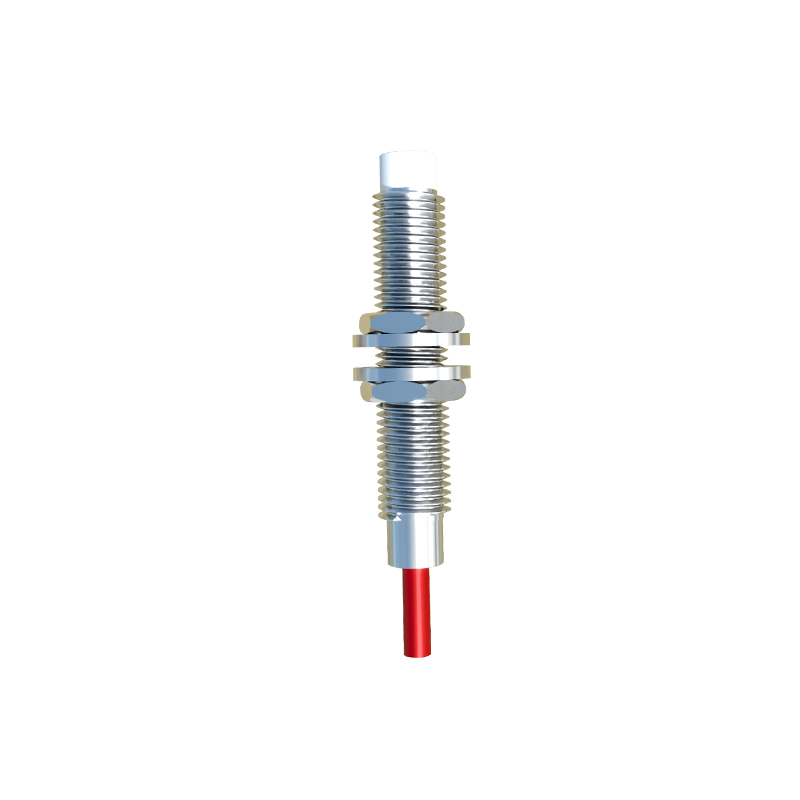
Proximity sensors are indispensable components in modern industrial automation, providing non-contact detection of objects within a defined range. These devices operate on various principles, including inductive, capacitive, ultrasonic, and photoelectric sensing. Inductive sensors detect metallic objects, capacitive sensors can detect both metallic and non-metallic materials, while photoelectric sensors use light beams for detection. The choice of technology directly impacts performance, application suitability, and ultimately, the selection of an appropriate supplier. Understanding these core technologies is the first step in identifying a vendor capable of meeting specific operational requirements, whether for precision assembly lines, heavy machinery, or sensitive electronic equipment.
Key Global Suppliers and Their Specializations
The market for proximity sensors is served by a diverse range of suppliers, from large multinational conglomerates to specialized niche manufacturers. Leading global players include Siemens, a powerhouse offering a vast portfolio of inductive and ultrasonic sensors integrated into its Totally Integrated Automation (TIA) ecosystem. Omron, a Japanese multinational, is renowned for its high-precision, reliable sensors, particularly in the photoelectric and inductive categories, often favored in electronics and automotive manufacturing. Another major contender is Rockwell Automation (Allen-Bradley), whose sensors are deeply embedded in North American industrial control systems, known for ruggedness and seamless integration with ControlLogix and CompactLogix PLCs. Pepperl+Fuchs stands out for expertise in intrinsic safety and hazardous area sensors, making them a go-to supplier for oil, gas, and chemical industries. SICK AG offers a comprehensive range, with particular strength in innovative photoelectric and ultrasonic sensors for logistics and material handling.
Criteria for Selecting a Proximity Sensor Supplier
Choosing the right supplier extends beyond merely comparing product datasheets. Several critical factors must be evaluated. Technical support and application engineering are paramount; a supplier with deep expertise can help optimize sensor selection and integration, preventing costly downtime. Product range and availability are crucial; suppliers with broad portfolios and robust global distribution networks ensure consistent supply and simplify procurement. Quality and certification, such as ISO standards, UL listing, or ATEX/IECEx for hazardous locations, are non-negotiable for ensuring reliability and compliance. Finally, total cost of ownership (TCO), which includes initial price, maintenance needs, and expected lifespan, should be analyzed rather than just the unit cost. A supplier offering superior durability and support may provide better long-term value.
Regional Suppliers and Emerging Market Players
While global brands dominate, strong regional and emerging market suppliers offer competitive alternatives. In Europe, companies like ifm electronic and Balluff GmbH provide high-quality sensors with advanced diagnostic capabilities (IO-Link) and are deeply entrenched in European manufacturing. In North America, Banner Engineering is a significant player, known for innovative photoelectric sensors and a strong focus on user-friendly design. The Asia-Pacific region features dynamic players such as Panasonic and Keyence. Keyence, in particular, is noted for extremely high-performance and specialized sensors, often used in precision measurement and inspection applications, though sometimes at a premium price. These suppliers often compete on agility, specialized solutions, and localized service.
Trends Influencing Supplier Offerings
Supplier innovation is driven by key industry trends. The integration of Industrial Internet of Things (IIoT) capabilities is a major force. Leading suppliers are now offering sensors with embedded IO-Link communication, which provides detailed device parameter data and health status, enabling predictive maintenance and smarter data collection. Miniaturization is another persistent trend, allowing sensors to fit into increasingly compact machinery and devices. Furthermore, there is a growing demand for sensors that can operate in extreme conditions—higher temperatures, greater washdown pressures, and more corrosive environments. Suppliers investing in R&D to address these challenges are positioning themselves as leaders for next-generation automation projects. The shift towards customized or easily configurable solutions is also notable, as off-the-shelf sensors may not suffice for unique applications.
Conclusion and Best Practices for Procurement
Selecting a proximity sensor supplier is a strategic decision that impacts operational efficiency and reliability. The ideal approach involves a multi-stage process. First, clearly define the application requirements: target material, sensing distance, environmental conditions, output type, and required certifications. Next, shortlist suppliers whose core competencies align with these needs, considering both global leaders and specialized providers. Request evaluation samples to test performance in the actual application environment. Engage with suppliers' technical sales teams to discuss integration challenges. Finally, consider the broader partnership potential, including training, warranty, and long-term support. By following a disciplined selection methodology, engineers and procurement specialists can secure a reliable supply of high-performance proximity sensors that enhance automation system robustness and productivity.