Introduction to Ultra-Compact Circular Proximity Sensors
In the rapidly evolving landscape of industrial automation, the demand for precise, reliable, and space-efficient sensing solutions has never been higher. Ultra-compact circular proximity sensors have emerged as a critical component in this domain, offering unparalleled performance in confined spaces. These sensors are engineered to detect the presence or absence of metallic or non-metallic objects without physical contact, utilizing electromagnetic fields, capacitive effects, or ultrasonic principles. Their circular form factor, often with diameters as small as M5, M8, or M12, allows for seamless integration into complex machinery, robotic arms, and compact assembly lines where traditional sensors would be impractical. The design philosophy centers on maximizing detection capability while minimizing the sensor's footprint, a balance that requires sophisticated engineering and high-precision manufacturing.
Core Operating Principles and Technologies
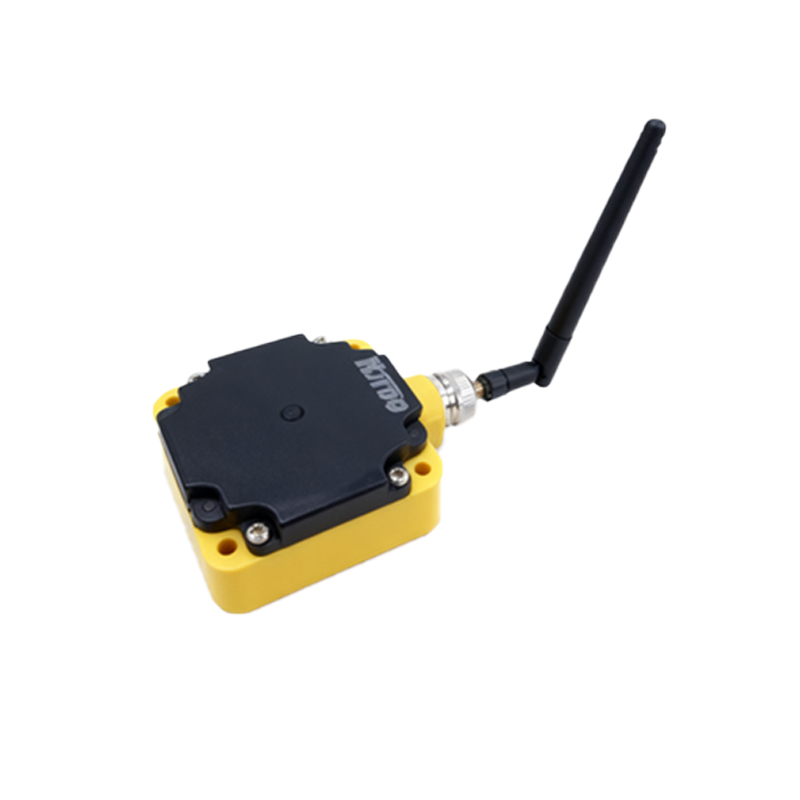
The operational backbone of these sensors lies in their sensing technology. Inductive proximity sensors are the most common variant for detecting metallic objects. They generate an oscillating electromagnetic field from a coil in the sensing face. When a conductive metal enters this field, eddy currents are induced, causing a change in the oscillation amplitude. This change is detected by the sensor's circuitry, triggering an output signal. For non-metallic targets, such as plastics, liquids, or glass, capacitive proximity sensors are employed. These measure changes in capacitance between the sensor and the target. Ultrasonic variants use sound waves to determine distance and presence, offering unique advantages for certain applications. Despite their minuscule size, modern ultra-compact models incorporate advanced ASICs (Application-Specific Integrated Circuits) that provide enhanced noise immunity, temperature stability, and programmable switching points, ensuring reliable operation in electrically noisy industrial environments.
Key Design and Performance Characteristics
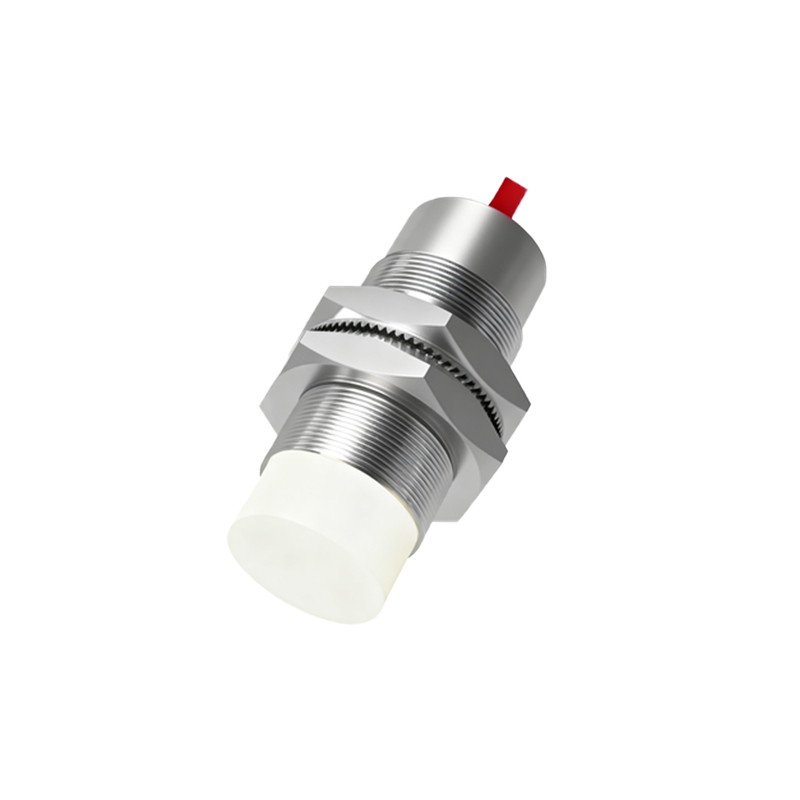
The engineering of an ultra-compact circular proximity sensor involves meticulous attention to several key parameters. Sensing distance, or the nominal range at which a standard target can be reliably detected, is precisely calibrated. Even with their small size, high-performance models offer surprisingly generous sensing ranges. The housing material, typically stainless steel (e.g., V2A, V4A) or nickel-plated brass, is selected for exceptional resistance to mechanical stress, cutting fluids, and corrosive chemicals. Another critical feature is the flush-mounting capability. Many of these sensors can be embedded into metal mounting brackets without a reduction in sensing range, preventing accidental damage. Output configurations include NPN, PNP, analog, and IO-Link versions, providing direct compatibility with a vast array of PLCs and controllers. The inclusion of LED status indicators, despite the limited space, is a testament to clever design, offering immediate visual feedback for diagnostics.
Application Spectrum in Modern Industry
The application versatility of these sensors is vast. In semiconductor manufacturing, they are indispensable for wafer handling and precise positioning within cleanrooms. On high-speed packaging lines, they verify the presence of caps, labels, or products on conveyor belts. In robotics, they serve as end-effector tool detection sensors or as collision avoidance devices in collaborative robot (cobot) joints. The automotive industry relies on them for part verification in engine assembly and for monitoring minute movements in brake and fuel systems. Their robustness makes them ideal for harsh environments like machine tools, where they monitor tool wear, coolant levels, or spindle position. The miniaturization trend in medical device assembly has also created a significant demand for these sensors to handle tiny components with extreme accuracy.
Selection Criteria and Installation Best Practices
Selecting the appropriate sensor requires a systematic analysis of the application. Engineers must first define the target material (ferrous metal, non-ferrous metal, or non-metal) to choose between inductive, capacitive, or ultrasonic types. The required sensing distance and the available mounting space dictate the physical size (e.g., M5, M8). Environmental factors such as ambient temperature, presence of washdown chemicals, or strong electromagnetic interference necessitate specific housing ratings, often requiring IP67, IP68, or IP69K protection classes. During installation, maintaining the proper mounting clearance from surrounding metal (as specified in datasheets) is crucial to prevent false triggering. Proper shielding and routing of the connecting cable away from power lines minimize electrical noise. Regular functional checks, including verifying the stability of the switching point under operational temperatures, are part of a robust predictive maintenance program.
The Future: Integration and Smart Sensing
The future trajectory of ultra-compact circular proximity sensors points towards greater intelligence and connectivity. The integration of IO-Link communication transforms a simple binary switch into a smart sensor node. It enables the remote configuration of parameters like sensing distance hysteresis, output delay, and temperature monitoring. Diagnostic data, such as operating hours, stress events, or signal strength, can be