Introduction to Photoelectric Sensing Technology
Photoelectric sensors are a cornerstone of modern industrial automation, offering a non-contact method of detection that is both reliable and versatile. These devices operate by emitting a beam of light, typically from an LED, and detecting changes in the received light signal caused by the presence, absence, or characteristics of a target object. The fundamental principle involves the conversion of light energy into an electrical signal, which is then processed to trigger a control action. This technology stands apart from mechanical limit switches or proximity sensors due to its ability to detect objects from a considerable distance and its immunity to the material properties of the target, such as magnetism or conductivity. The core components include an emitter, a receiver, and a control circuit, all housed in rugged enclosures designed to withstand harsh industrial environments. Their adoption has revolutionized processes by enabling precise, high-speed detection without physical wear and tear.
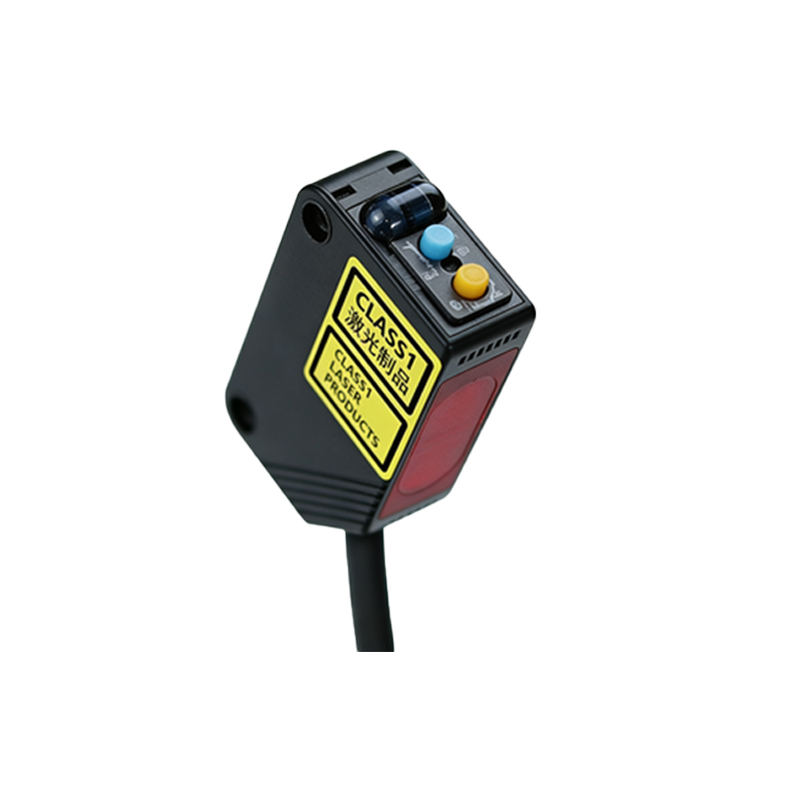
Superior Detection Range and Flexibility
One of the most compelling reasons to use photoelectric sensors is their exceptional sensing range. Compared to inductive or capacitive proximity sensors, which are limited to a few millimeters or centimeters, photoelectric sensors can reliably detect objects from a few centimeters up to several meters away. This long-range capability is invaluable in applications like material handling, warehouse logistics, and large machinery safeguarding. Furthermore, they offer immense flexibility through various sensing modes: through-beam, retro-reflective, and diffuse reflective. Through-beam sensors, with separate emitter and receiver units, provide the longest range and highest reliability. Retro-reflective types use a reflector to bounce the light back, simplifying installation. Diffuse sensors detect light reflected directly from the target, ideal for detecting objects at close range or on conveyor belts. This adaptability allows engineers to tailor the sensing solution to specific spatial and operational constraints.
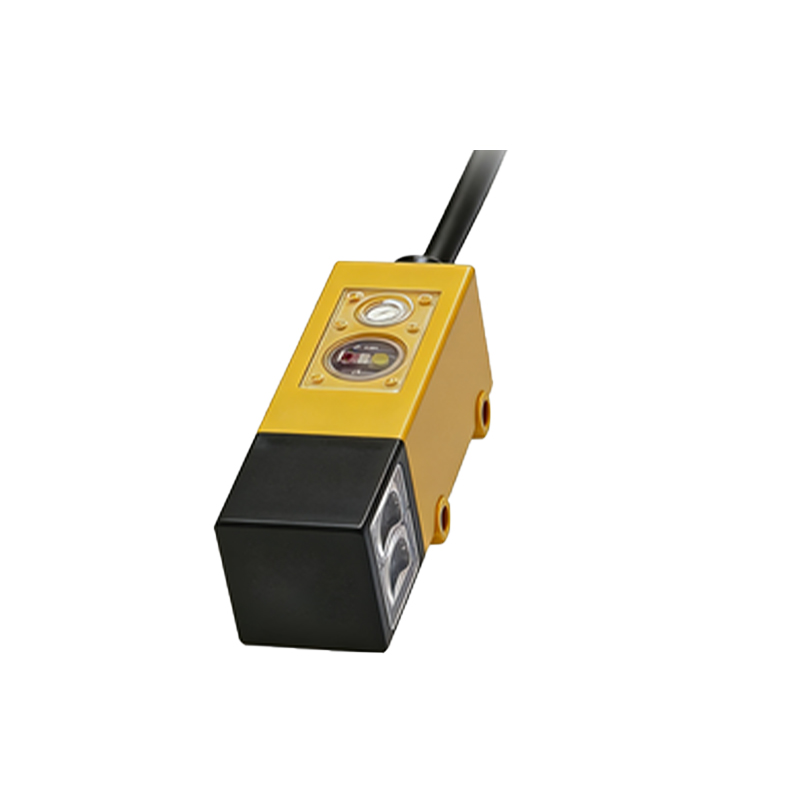
High-Speed Response and Precision
In high-throughput manufacturing and packaging lines, response time is critical. Photoelectric sensors excel in this domain, capable of detecting objects at speeds measured in microseconds. This rapid response enables precise counting, positioning, and sorting of items moving on fast conveyor systems. The precision extends to detecting very small objects or fine features, such as labels, tabs, or fill levels in transparent containers. Advanced models with focused laser beams or background suppression technology can ignore distant backgrounds and detect only objects within a precise, predefined zone. This level of accuracy ensures quality control, minimizes waste, and maintains the integrity of automated processes where timing and placement are paramount.
Material and Color Versatility
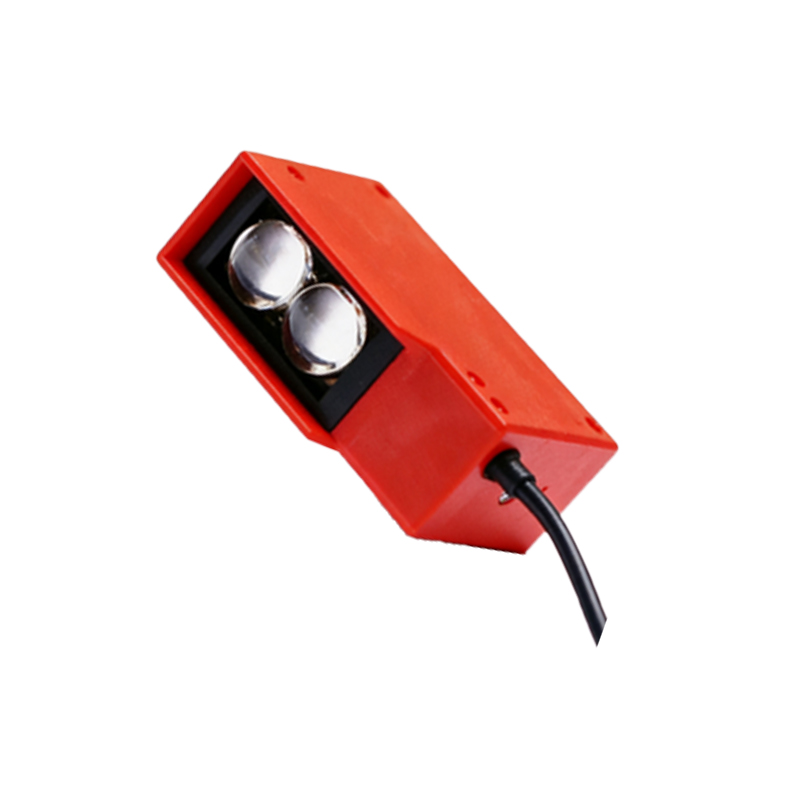
Unlike inductive sensors that only detect metals, photoelectric sensors can detect virtually any material—metal, plastic, wood, glass, liquid, or even transparent films. This universal detection capability makes them indispensable across diverse industries. Specialized sensors can differentiate between colors or detect specific luminescence, adding another layer of process intelligence. For instance, in bottling plants, they can verify label presence and correct positioning on glass or plastic bottles. In the textile industry, they can sense different colored threads. This versatility reduces the need for multiple sensor types, simplifying inventory and system design while providing a unified solution for complex detection tasks involving varied materials.
Robustness and Environmental Durability
Industrial environments are fraught with challenges: dust, moisture, vibration, and temperature extremes. Modern photoelectric sensors are engineered to endure these conditions. They feature ingress protection (IP) ratings like IP67 or IP69K, making them dust-tight and resistant to powerful water jets. Housing materials resist corrosion from chemicals or oils. Advanced models incorporate diagnostics like IO-Link communication, providing real-time data on signal strength, contamination levels, and operating temperature, enabling predictive maintenance. This robustness ensures consistent operation with minimal downtime, a critical factor for maintaining productivity and reducing total cost of ownership in demanding applications.
Enhancing Safety and Efficiency
Photoelectric sensors play a vital role in industrial safety systems. Safety light curtains, which are arrays of photoelectric beams, create invisible barriers around hazardous machinery, instantly stopping operation if a beam is broken by a person. They also boost operational efficiency by enabling non-contact inspection, which eliminates mechanical wear and associated maintenance. Their ability to function without physical contact prevents product damage, which is crucial when handling delicate items. By providing reliable feedback for automated guidance vehicles (AGVs), assembly robots, and automated storage systems, they form the sensory backbone that drives efficiency, reduces labor costs, and optimizes material flow in smart factories.
Conclusion and Future Outlook
The integration of photoelectric sensors is a strategic decision that enhances reliability, precision, and flexibility in automation. Their non-contact nature, long range, material independence, and environmental toughness solve a wide array of industrial sensing challenges. As Industry 4.0 and the Industrial Internet of Things (IIoT) advance, photoelectric sensors are evolving into intelligent nodes on the network. With embedded intelligence and connectivity, they will provide richer diagnostic data, facilitate easier configuration, and enable more adaptive, self-optimizing production systems. For any engineer designing an automated system, specifying photoelectric sensors is a proven method to achieve robust, future-ready detection and control.