Introduction to Photoelectric Sensor Image Output
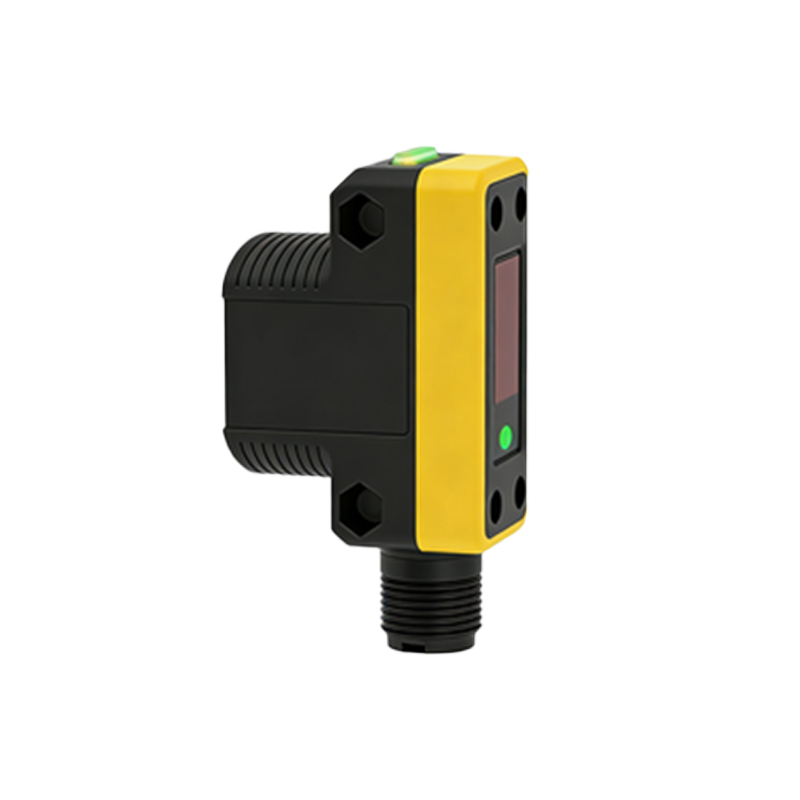
Photoelectric sensors, fundamental components in industrial automation, have evolved significantly beyond simple presence detection. The advent of image output capabilities represents a paradigm shift, transforming these devices into sophisticated vision systems. Unlike traditional binary sensors that provide a simple on/off signal, image-output photoelectric sensors capture and process visual data, delivering rich, contextual information about the target. This technology typically integrates a compact image sensor, such as a CMOS or CCD array, with advanced processing algorithms. The core principle remains based on light reception, but the output is no longer a single data point. Instead, it is a digital image or a set of extracted image-based features, enabling complex inspections, measurements, and identifications that were previously the domain of larger, more expensive machine vision systems. This integration brings vision intelligence directly to the point of application on the factory floor.
Core Technologies Enabling Image Output
The functionality of image-output photoelectric sensors hinges on several key technologies. First, the miniaturization of high-resolution image sensors allows their integration into standard sensor housings. These sensors capture light patterns reflected from or transmitted through an object. Second, embedded processors run specialized firmware for real-time image analysis. This includes algorithms for pattern matching, edge detection, blob analysis, and optical character recognition (OCR). Third, advanced illumination is critical. Integrated, programmable LED lighting—often in red, white, blue, or infrared spectra—ensures consistent image capture under varying ambient conditions. Finally, communication protocols are essential. These sensors utilize industrial Ethernet (like EtherNet/IP, PROFINET) or high-speed serial interfaces to transmit not just a trigger signal, but full image data or processed results to a PLC or supervisory system, enabling seamless integration into automated workflows.
Key Advantages Over Traditional Sensors
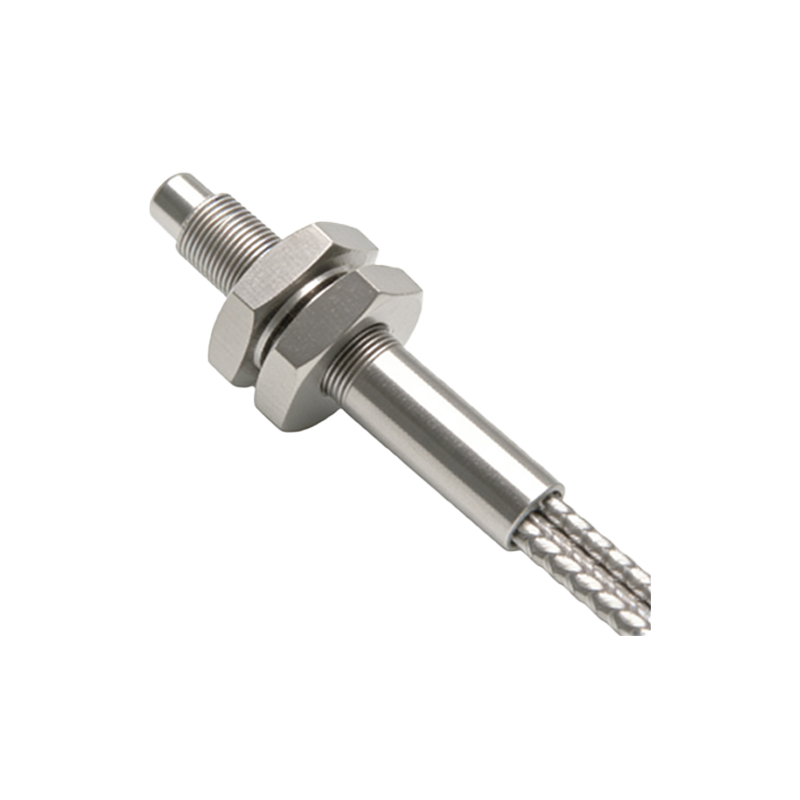
The transition to image output delivers substantial benefits. The most significant is the vast increase in information richness. A single sensor can perform multiple checks simultaneously—verifying presence, checking orientation, reading a barcode, and measuring dimensions—replacing several conventional sensors. This leads to simplified system design, reduced wiring, and lower overall cost. Precision is greatly enhanced; these sensors can detect sub-millimeter defects or positional variances. Flexibility is another major advantage. Inspection criteria (templates, tolerances) can be easily reprogrammed via software for different products, minimizing downtime during changeovers. Furthermore, the image data itself provides invaluable diagnostic and traceability records. Operators can review captured images to troubleshoot process errors or maintain quality audit trails, adding a layer of transparency and data-driven decision-making to production processes.
Primary Industrial Applications
Image-output photoelectric sensors find diverse applications across manufacturing and logistics. In assembly verification, they confirm the correct placement and presence of multiple components on a PCB or assembly in one shot. For packaging inspection, they check fill levels, label position and accuracy, and seal integrity. In precision manufacturing, they perform gauging tasks, measuring critical distances or diameters directly on the production line. Code reading is a dominant application, where they reliably decode 1D/2D barcodes, Data Matrix codes, and direct part marks (DPM) on various surfaces, even under challenging lighting or on curved objects. They are also deployed for robotic guidance, providing visual feedback for pick-and-place systems to accurately locate and orient parts. This versatility makes them indispensable in automotive, pharmaceuticals, electronics, and food & beverage industries.
Implementation Considerations and Challenges
Successful deployment requires careful planning. Sensor selection must consider resolution, field of view, working distance, and processing speed to match the application's demands. Lighting design is paramount; incorrect illumination can cause glare, shadows, or low contrast, rendering the system ineffective. Environmental factors like dust, moisture, or vibration necessitate choosing sensors with appropriate IP ratings and robust mechanical construction. Integration complexity is higher than with standard sensors, often requiring configuration software and network setup expertise. Data handling is also a consideration; while processed results are small, streaming full images can demand significant network bandwidth and storage. Finally, while these sensors are more capable, they are not a universal replacement for high-end, PC-based vision systems in extremely complex inspection scenarios requiring deep learning or 3D analysis.
Future Trends and Developments
The future of image-output photoelectric sensor technology is driven by integration and intelligence. We are witnessing a trend towards even smarter sensors with onboard artificial intelligence (AI) and machine learning (ML). These "vision sensors" will self-train on sample images to recognize acceptable vs. defective parts without explicit programming. Enhanced connectivity through Industry 4.0 frameworks will enable easier data integration into cloud platforms for analytics and predictive maintenance. Sensor fusion, combining image data with data from other sensor types (e.g., distance measurement), will create more comprehensive perception capabilities. Furthermore, developments in 3D imaging using technologies like laser triangulation or stereovision are beginning to merge with photoelectric sensing, allowing for volumetric inspections and height measurements, further expanding the scope of applications in advanced automation and robotics.