Introduction to Proximity Sensing Technology
Proximity sensors are non-contact electronic devices designed to detect the presence or absence of an object within a defined sensing range without any physical contact. These sensors operate by emitting an electromagnetic field or a beam of electromagnetic radiation, such as infrared light, and then monitoring for changes in the field or return signal. The core principle hinges on the interaction between the sensor's emitted energy and the target object. This technology has become a cornerstone of modern industrial automation, robotics, and smart systems, enabling precise, reliable, and maintenance-free operation in countless applications. The ability to detect metallic and non-metallic objects, liquids, and even granular materials makes them exceptionally versatile. From ensuring safety on factory floors to enabling touchless interfaces in consumer electronics, proximity sensors are integral to the seamless functioning of automated processes, providing critical data for control systems to make real-time decisions.
Primary Types and Operating Principles
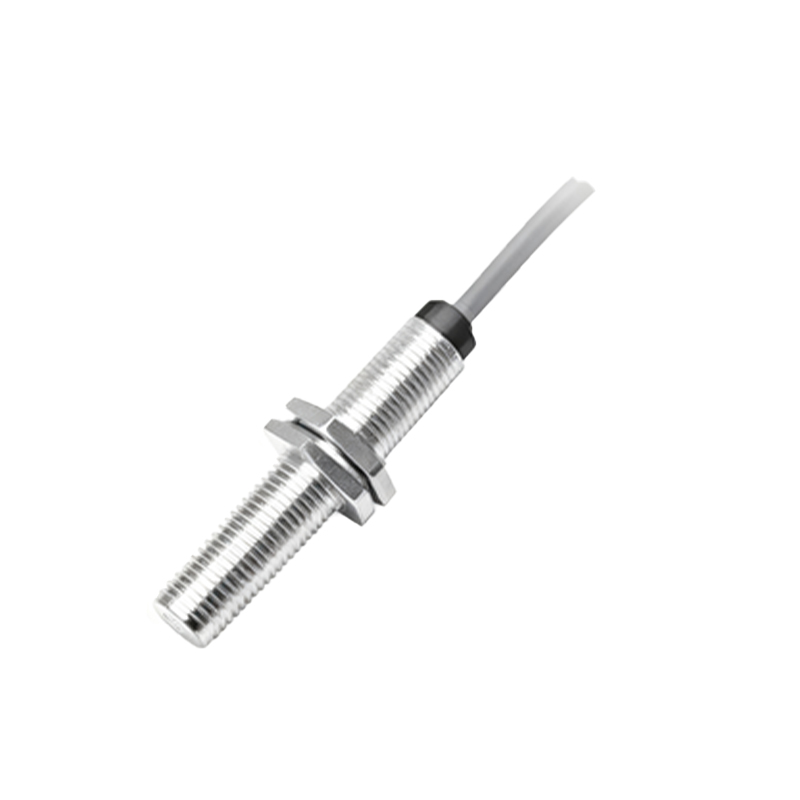
The proximity sensor market is characterized by several key technologies, each with distinct operating principles and ideal use cases. Inductive proximity sensors are among the most common, used primarily for detecting metallic objects. They generate an oscillating electromagnetic field; when a metal target enters this field, it induces eddy currents, causing a change in oscillation amplitude that triggers the sensor's output. Capacitive proximity sensors, on the other hand, can detect both metallic and non-metallic materials, including liquids, plastics, and wood. They function by measuring changes in capacitance between the sensor's electrode and the ground plane when an object enters the sensing field. Photoelectric sensors utilize a light emitter and receiver to detect objects, offering long sensing ranges and the ability to sense virtually any material. Ultrasonic sensors use sound waves to measure distance to an object, excelling in harsh environments where dust, moisture, or target color might affect other types. Finally, magnetic proximity sensors, often reed switches or Hall-effect sensors, detect the presence of a permanent magnet, commonly used for position sensing in cylinders.
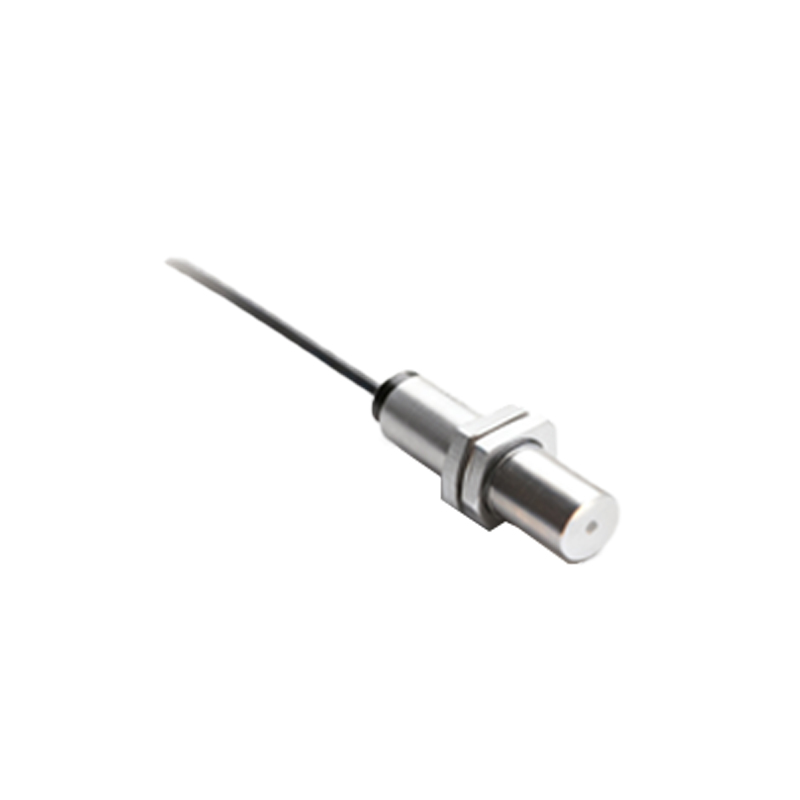
Core Industrial Applications and Use Cases
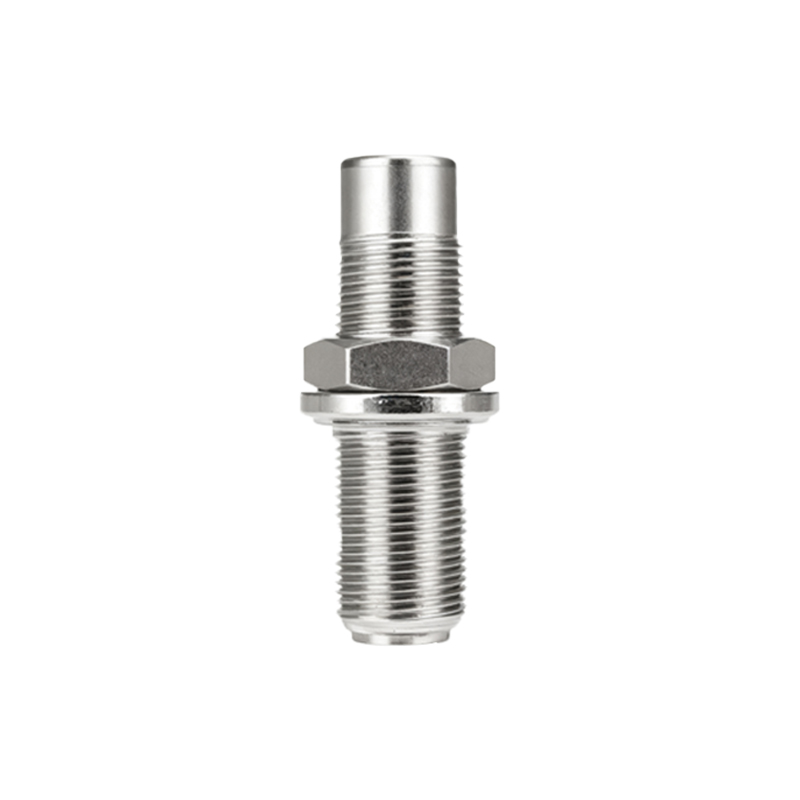
The application landscape for proximity sensors is vast and continuously expanding. In manufacturing and assembly lines, they are indispensable for object detection, counting, positioning, and end-of-travel limit switching. For instance, an inductive sensor can verify the presence of a metal component on a conveyor belt before a robotic arm performs a welding operation. In the automotive industry, they are used for gear tooth detection, brake pedal position sensing, and door ajar indicators. Material handling and packaging machinery rely heavily on photoelectric and ultrasonic sensors to manage product flow, detect jams, and ensure precise filling levels. Beyond heavy industry, proximity sensors are critical in consumer electronics, enabling features like automatic screen turn-off during phone calls and touchless faucets. They also play a vital role in safety systems, such as detecting when a protective guard door on a machine is open, immediately halting operation to prevent injury.
Current Market Trends and Drivers
The proximity sensor industry is experiencing robust growth, driven by several powerful trends. The relentless expansion of Industrial Internet of Things (IIoT) and Industry 4.0 initiatives is a primary catalyst. Modern sensors are increasingly equipped with digital interfaces (IO-Link, Ethernet/IP, PROFINET) and self-diagnostic capabilities, feeding valuable data into networked systems for predictive maintenance and process optimization. The miniaturization of sensor components allows for their integration into increasingly compact devices and wearables. There is also a strong push towards enhancing sensing performance in extreme conditions, leading to the development of sensors with higher temperature ratings, improved resistance to chemicals, and robust housing (IP67/IP69K) for washdown environments. Furthermore, the demand for energy-efficient sensors with lower power consumption is rising, particularly for battery-operated devices and sustainable manufacturing practices. The adoption of advanced materials and manufacturing techniques is also contributing to cost reduction and performance enhancement.
Key Selection Criteria and Implementation Considerations
Selecting the appropriate proximity sensor for an application requires careful analysis of multiple parameters. The nature of the target material (metal, plastic, liquid) is the first determinant, pointing towards inductive, capacitive, or photoelectric technology. The required sensing distance, or range, must be specified, noting that manufacturers provide both nominal and effective sensing distances, the latter often reduced for non-standard targets. Environmental factors are critical; exposure to dust, moisture, oils, temperature extremes, or electromagnetic interference will dictate the necessary housing material, ingress protection (IP) rating, and shielding. The electrical output type (NPN/PNP, NO/NC) must be compatible with the host controller (PLC). Other considerations include the sensor's response time, switching frequency, and mounting requirements (flush or non-flush for inductive types). Proper installation is equally important, ensuring correct