Introduction to Photoelectric Sensors
A photoelectric sensor is a device that utilizes light to detect the presence, absence, or distance of an object. As a fundamental type of physical sensor, it operates by emitting a beam of light, typically from an LED or laser diode, and then measuring the properties of the light that is either reflected back to the sensor's receiver or blocked by the target object. This principle allows for non-contact detection, making these sensors invaluable in environments where physical contact is undesirable or impractical. Their ability to sense a wide variety of materials, including metals, plastics, glass, and liquids, underpins their versatility across countless industrial applications.
Core Operating Principles and Types
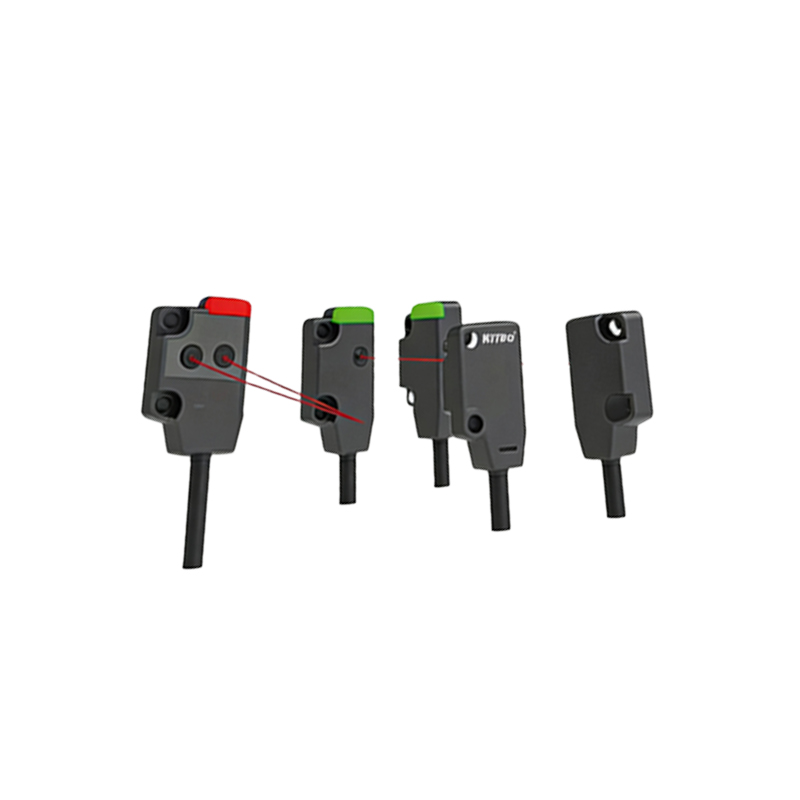
The functionality of photoelectric sensors is grounded in distinct physical principles, primarily categorized into three main types. Through-beam sensors consist of separate, aligned emitter and receiver units. The detection occurs when an object physically interrupts the light beam traveling from the emitter to the receiver. This type offers the longest sensing range and highest reliability. Retro-reflective sensors house both emitter and receiver in a single housing, using a reflector to bounce the light beam back. An object is detected when it breaks this reflected beam. Finally, diffuse reflective sensors rely on the light being reflected directly off the target object itself. The sensor detects the object based on the intensity of the reflected light, making its performance highly dependent on the object's color, texture, and distance.
Key Physical Parameters and Performance
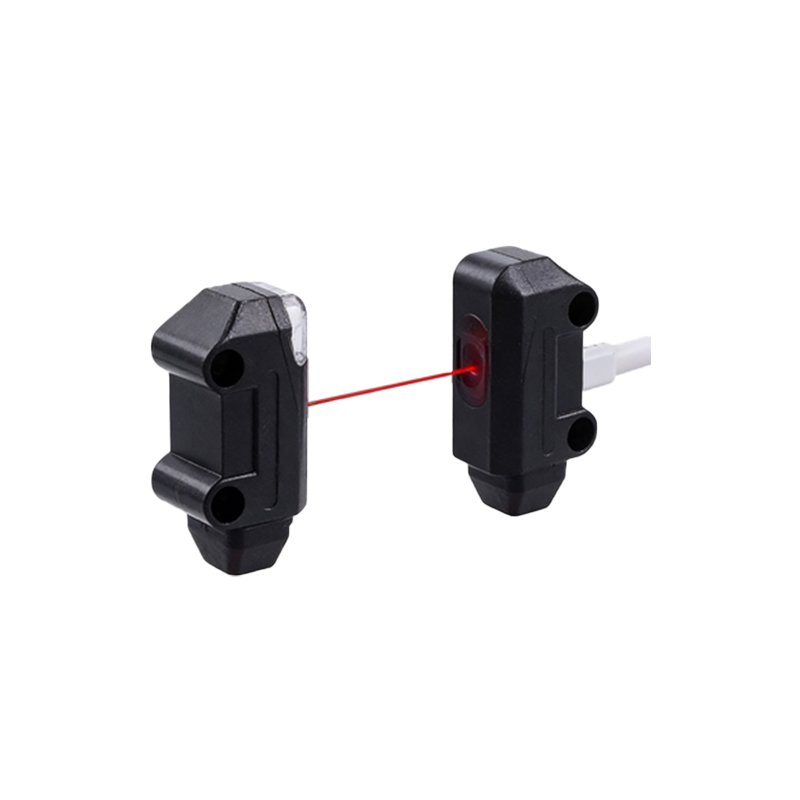
The performance of a photoelectric sensor as a physical measurement device is quantified by several critical parameters. Sensing range defines the maximum distance at which the sensor can reliably detect a standard target. Response time, often in milliseconds or microseconds, indicates how quickly the sensor's output changes state after detection, crucial for high-speed automation. Light source type (e.g., red LED, infrared, laser) determines the sensor's suitability for specific environments and materials. Environmental factors such as ambient light, dust, fog, and temperature directly impact the sensor's physical operation, necessitating designs with robust housings, modulated light signals to combat interference, and precise optical alignment.
Applications in Industrial Automation
In industrial automation, photoelectric sensors serve as the "eyes" of a system, providing essential physical data for control and safety. They are ubiquitously used for object detection on conveyor lines, counting products, verifying part presence in assembly stations, and ensuring correct positioning. In packaging machinery, they detect labels, monitor fill levels, and control web breaks. Advanced versions with background suppression capabilities can precisely detect objects at a defined distance, ignoring objects beyond that point, which is vital for robotic picking and precise positioning tasks. Their non-contact nature prevents product damage and reduces mechanical wear.
Advantages Over Other Sensor Technologies
Compared to other physical sensors like inductive or capacitive proximity sensors, photoelectric sensors offer distinct advantages. Their primary benefit is the ability to detect virtually any material, not just metals. They provide much longer sensing ranges, from a few centimeters up to several hundred meters for specialized through-beam models. They can also detect very small objects and are capable of color recognition and contrast detection with specialized models. This flexibility makes them a preferred choice for complex sensing tasks where the physical properties of the target vary.
Integration and Signal Output
The physical detection event is translated into an electrical signal for integration into control systems. Modern photoelectric sensors typically provide digital switching outputs (PNP/NPN) or analog outputs (0-10V, 4-20mA) proportional to the received light intensity or distance. This allows them to interface seamlessly with Programmable Logic Controllers (PLCs), robotics, and other industrial controllers. Features like teach-in functions for easy setup, IO-Link for advanced diagnostics and parameterization, and built-in timers enhance their intelligence and ease of use within a larger physical system.
Selection Criteria and Future Trends
Selecting the appropriate photoelectric sensor requires analyzing the physical requirements of the application. Key considerations include the sensing mode (through-beam, retro-reflective, diffuse), required range, size and material of the target, environmental conditions, required response speed, and output type. Future trends point towards miniaturization, increased intelligence with embedded processors for condition monitoring, enhanced resistance to harsh industrial environments, and the integration of multi-functional sensing capabilities, such as combining distance measurement with color detection in a single compact housing.