Introduction to Proximity Sensor Test Benches
In the realm of industrial automation, ensuring the reliability and precision of sensing components is paramount. Among these components, proximity sensors play a critical role in non-contact detection of objects. A dedicated Proximity Sensor Test Bench serves as an indispensable tool for engineers and technicians. This specialized apparatus is designed to rigorously evaluate, calibrate, and validate the performance of various types of proximity sensors, including inductive, capacitive, and photoelectric models. By simulating real-world operational conditions in a controlled laboratory environment, these test benches provide invaluable data on sensor accuracy, repeatability, response time, and environmental resilience. Their use is fundamental in both quality assurance during manufacturing and in predictive maintenance programs within operational facilities.
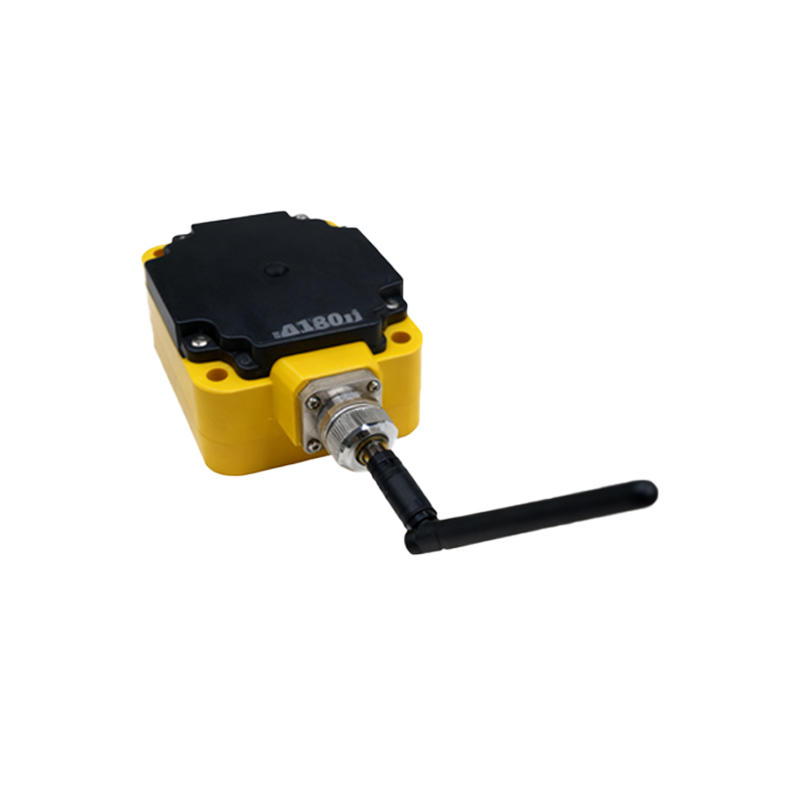
Core Functions and Testing Capabilities
The primary function of a proximity sensor test bench is to deliver precise, repeatable measurements. Key testing capabilities include distance-to-target calibration, where the sensor's switching point is accurately set and verified against known standards. The bench assesses hysteresis, a crucial parameter defining the difference between the switch-on and switch-off points. Furthermore, it measures response time by simulating high-speed object passage, ensuring the sensor can keep pace with fast production lines. Environmental stress testing is another vital function, where sensors are subjected to variations in temperature, humidity, and exposure to contaminants like oil or dust to certify their ingress protection (IP) ratings. Advanced benches may also evaluate a sensor's electromagnetic compatibility (EMC) and its performance in the presence of different target materials and sizes.
Applications in Manufacturing and R&D
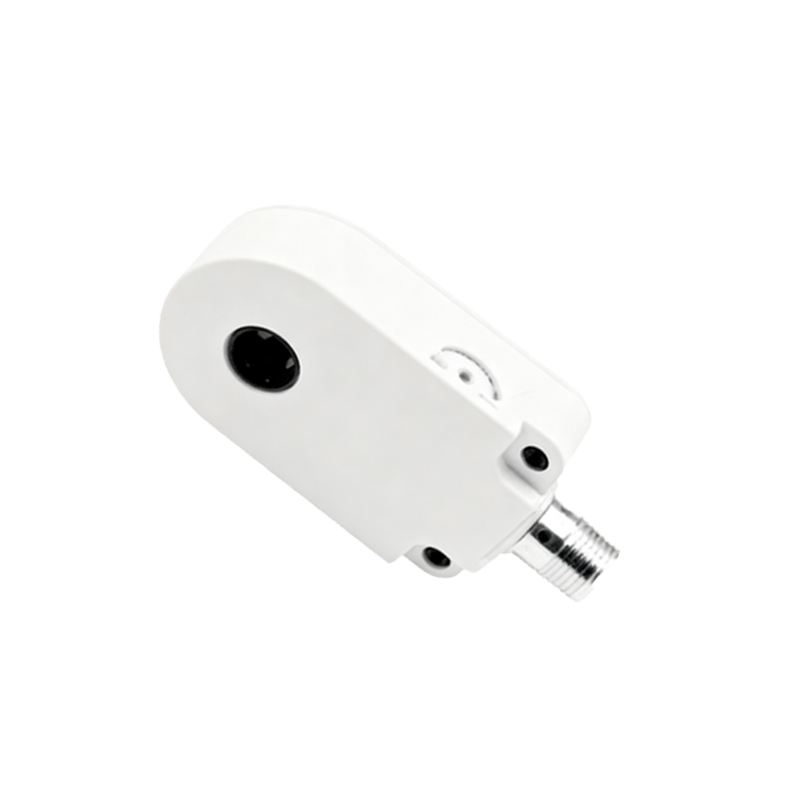
Within manufacturing settings, the test bench is central to the final quality control checkpoint. Every sensor batch can be sampled and tested to confirm it meets the specified datasheet parameters before integration into larger systems or shipment to customers. This process drastically reduces field failures and associated downtime. In Research and Development departments, the bench becomes a platform for innovation. Engineers use it to prototype new sensor designs, compare the performance of different technologies, and troubleshoot design flaws. It allows for the precise characterization of sensor behavior under edge-case scenarios, informing design improvements and the development of next-generation products with higher accuracy and robustness.
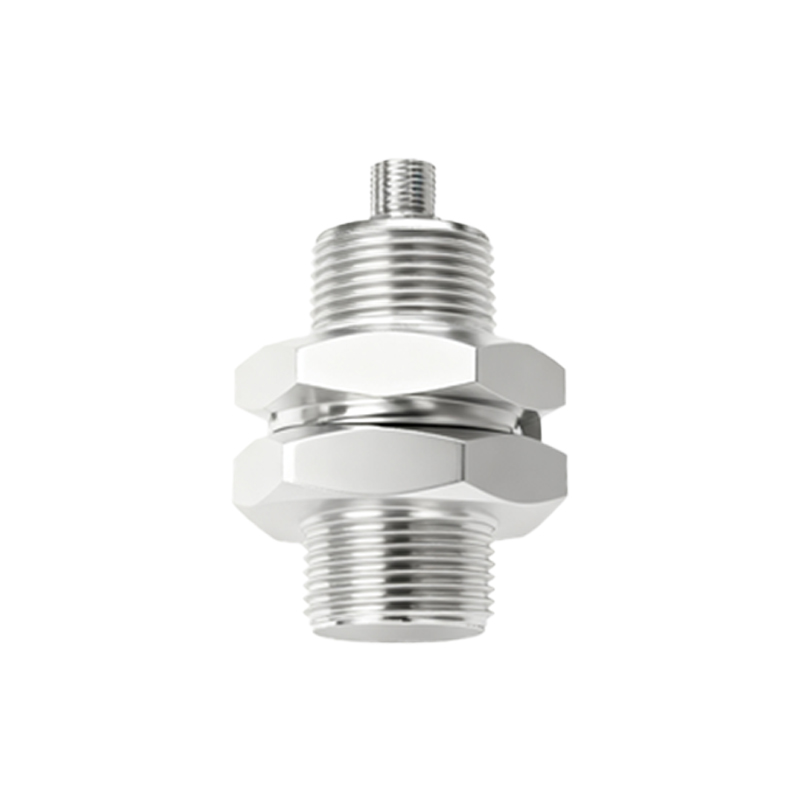
Enhancing Maintenance and Troubleshooting
Beyond the factory, proximity sensor test benches are vital for maintenance workshops. When a sensor from the field is suspected of malfunction, it can be returned to the lab for definitive diagnosis. The bench can isolate whether a performance drift is due to sensor aging, physical damage, or environmental factors. This capability transforms maintenance from a reactive, part-swapping exercise into a proactive, data-driven process. Technicians can recalibrate sensors that have drifted out of tolerance, extending their service life. By maintaining a log of test results for critical sensors, teams can predict failures before they occur, scheduling replacements during planned downtime and avoiding costly unplanned production stoppages.
Integration with Industry 4.0 and Data Analytics
Modern proximity sensor test benches are increasingly intelligent and connected. Integrated with Industry 4.0 principles, they feature software that automates test sequences, collects comprehensive data sets, and generates detailed reports. This data can be fed into centralized plant management or asset performance management systems. Over time, the aggregation of test data from thousands of sensors enables powerful analytics. Trends can be identified, such as common failure modes under specific conditions or the average operational lifespan of a sensor model. This intelligence feeds back into the design process for more durable sensors and optimizes inventory management for spare parts, creating a continuous improvement loop that enhances overall system reliability and operational efficiency.