Understanding Photoelectric Sensors and LED Control
Photoelectric sensors are widely used in industrial and commercial lighting systems for automated control. These devices detect the presence or absence of objects, light intensity, or motion by utilizing a light transmitter and receiver. When integrated with LED strips, photoelectric sensors can enable energy-efficient and smart lighting solutions. The principle involves the sensor sending a signal to the control unit when specific conditions are met, such as low ambient light or no detected movement, triggering the LED strips to turn off. This setup is common in warehouses, offices, and smart homes, where automation reduces power consumption and enhances convenience. To implement this, one must understand the sensor types, wiring configurations, and programming requirements for seamless operation.
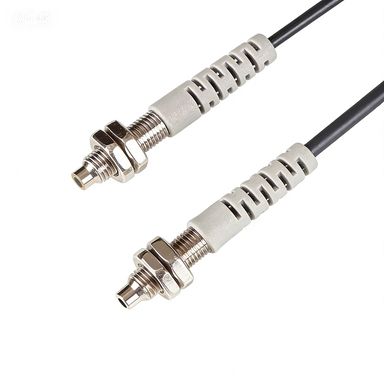
Types of Photoelectric Sensors for Lighting Systems
There are three main types of photoelectric sensors suitable for controlling LED strips: through-beam, retro-reflective, and diffuse sensors. Through-beam sensors consist of separate transmitter and receiver units, offering high accuracy for long-range detection, ideal for large spaces like parking garages. Retro-reflective sensors use a reflector to bounce light back to the receiver, making them effective for medium-range applications such as hallway lighting. Diffuse sensors rely on light reflection from the target itself, suitable for short-range tasks like desk or cabinet lighting. Each type can be configured to shut off LED strips based on environmental triggers. For instance, a diffuse sensor might detect when a room is empty, sending a cutoff signal to the LED controller. Selecting the right sensor depends on factors like detection range, ambient light interference, and installation environment.
Wiring and Connection Setup
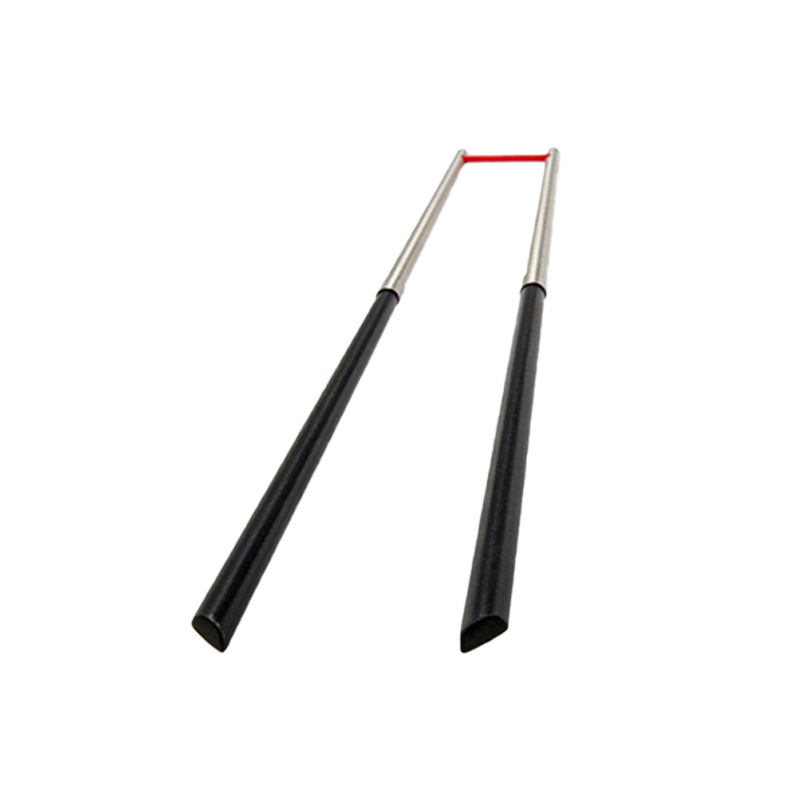
To turn off LED strips using a photoelectric sensor, proper wiring is crucial. Start by connecting the sensor to a power supply, typically 12-24V DC, matching the LED strip's voltage. The sensor output wire (often a relay or transistor output) should be linked to the control input of the LED driver or dimmer. For basic setups, a normally open (NO) or normally closed (NC) configuration can be used; if the sensor detects no light or motion, it switches the circuit to cut power to the LED strips. In advanced systems, programmable logic controllers (PLCs) or microcontrollers like Arduino can intermediate, allowing for customized delay times or sensitivity adjustments. Always follow manufacturer diagrams and safety standards, such as using insulated cables and securing connections to prevent short circuits. Testing with a multimeter ensures the sensor triggers correctly before full deployment.
Programming and Calibration for Automatic Shutdown
Programming the sensor and control unit is essential for reliable LED strip shutdown. Most photoelectric sensors feature adjustable parameters like sensitivity, response time, and hysteresis. Set the sensitivity to avoid false triggers from stray light or minor movements. For example, in an office, calibrate the sensor to ignore daylight fluctuations but activate when ambient light drops below a certain lux level after hours. Use timers to add a delay—such as turning off LED strips 30 seconds after no motion is detected—to prevent abrupt shutdowns. In smart systems, integrate sensors with IoT platforms via protocols like Modbus or Wi-Fi, enabling remote monitoring and scheduling. Regular calibration checks, especially in changing environments, maintain accuracy. Document settings for future troubleshooting or upgrades.
Applications and Energy-Saving Benefits
Implementing photoelectric sensors to control LED strips offers significant advantages in various settings. In industrial facilities, sensors can shut off lighting in unoccupied aisles, reducing electricity costs by up to 50%. For retail displays, they dim or turn off LED strips during closed hours, extending lifespan and lowering maintenance. Home automation systems use sensors in gardens or pathways to deactivate lights at dawn, enhancing security and efficiency. The energy savings stem from minimizing wasteful operation, as LEDs only function when needed. Additionally, this automation aligns with green building standards like LEED, potentially qualifying for energy rebates. Case studies show that businesses can recoup installation costs within a year through reduced utility bills, making it a sustainable investment.
Troubleshooting Common Issues
If LED strips fail to turn off via photoelectric sensors, several troubleshooting steps can help. First, check power connections and ensure the sensor receives adequate voltage. Inspect wiring for loose or corroded terminals that might disrupt signal transmission. Adjust sensor alignment or clean lenses if dirt obstructs detection. Test the sensor output with a multimeter to verify it switches states when triggered. For programmable systems, review code or settings for errors in logic, such as incorrect threshold values. Environmental factors like extreme temperatures or electromagnetic interference can also affect performance; relocate or shield sensors if necessary. Consult manufacturer manuals for error codes, and consider upgrading to higher-grade sensors for demanding conditions. Regular maintenance, including firmware updates, prevents recurring problems.
Future Trends in Sensor-Based Lighting Control
The integration of photoelectric sensors with LED strips is evolving with technological advancements. Emerging trends include AI-enhanced sensors that learn usage patterns to optimize shutdown times, and LiDAR-based systems for precise 3D detection in complex spaces. Wireless sensor networks, using Bluetooth or Zigbee, simplify installation and scalability for large buildings. Energy-harvesting sensors, powered by ambient light or motion, eliminate the need for external power sources, promoting sustainability. As smart cities and IoT expand, these systems will likely incorporate predictive analytics for proactive maintenance. Industry standards are shifting toward interoperability, allowing sensors from different brands to seamlessly control LED lighting. Staying updated on these innovations ensures long-term efficiency and competitiveness in lighting projects.