Introduction to Photoelectric Sensors in Modern Industry
Photoelectric sensors have become indispensable components in industrial automation, offering precise detection capabilities for a wide range of applications. These devices utilize light beams to detect the presence, absence, or distance of objects, making them essential for tasks such as object counting, positioning, and quality control. The technology behind photoelectric sensors includes through-beam, retro-reflective, and diffuse reflective types, each suited to specific environmental and operational needs. As industries increasingly adopt smart manufacturing and Industry 4.0 practices, the demand for reliable and advanced photoelectric sensors continues to grow. Manufacturers in this sector are constantly innovating to enhance sensor performance, durability, and integration with digital systems, ensuring they meet the evolving requirements of sectors like automotive, packaging, and electronics.
Key Features of Top Photoelectric Sensor Manufacturers
Leading photoelectric sensor manufacturers distinguish themselves through several critical attributes. First, they prioritize high-quality materials and robust design to ensure sensors can withstand harsh industrial conditions, including extreme temperatures, dust, and moisture. Advanced models incorporate features like adjustable sensing ranges, fast response times, and high immunity to ambient light interference. Additionally, top manufacturers focus on user-friendly interfaces, allowing for easy installation and configuration. Many also offer sensors with connectivity options for IoT (Internet of Things) integration, enabling real-time data monitoring and predictive maintenance. Compliance with international standards, such as IEC and UL certifications, further underscores their commitment to safety and reliability, making them trusted partners for global enterprises.
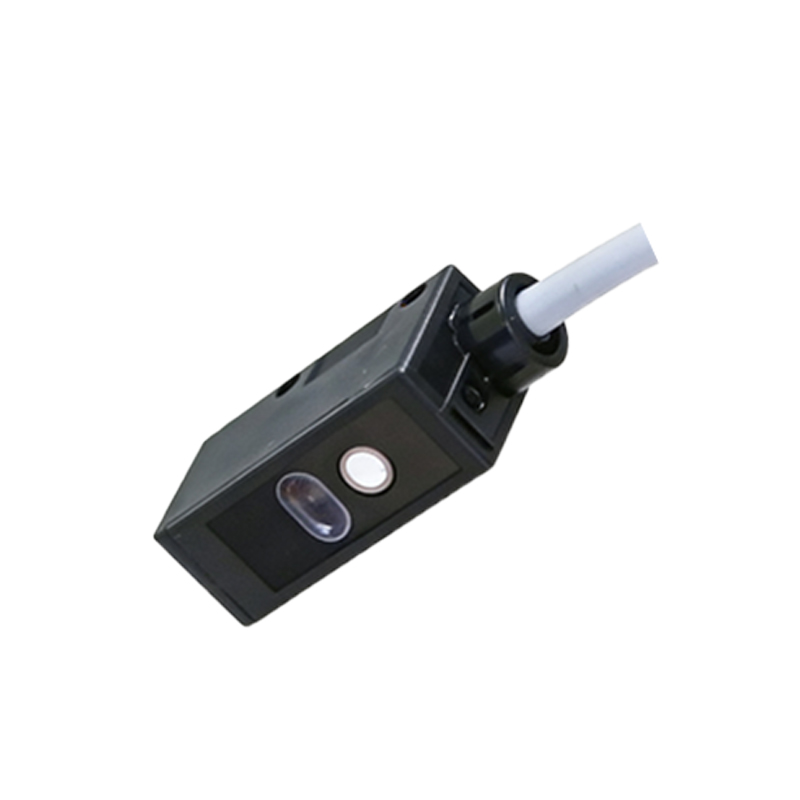
Innovations Driving the Photoelectric Sensor Market
Innovation is a key driver in the photoelectric sensor industry, with manufacturers investing heavily in research and development. Recent advancements include the integration of AI (Artificial Intelligence) and machine learning algorithms to improve detection accuracy and reduce false triggers. Miniaturization has also become a trend, allowing sensors to fit into compact spaces without compromising functionality. Enhanced energy efficiency is another focus, with low-power designs supporting sustainable operations. Furthermore, manufacturers are developing multi-functional sensors that combine photoelectric capabilities with other sensing technologies, such as ultrasonic or inductive sensors, to provide comprehensive solutions. These innovations not only boost productivity but also reduce downtime and maintenance costs, aligning with the goals of modern smart factories.
Applications Across Diverse Industrial Sectors
Photoelectric sensors are versatile tools deployed across numerous industries. In the automotive sector, they are used for assembly line automation, part verification, and robotic guidance. Packaging industries rely on them for label detection, fill level monitoring, and conveyor belt control. Electronics manufacturing benefits from their precision in component placement and soldering processes. Additionally, logistics and warehousing utilize sensors for inventory tracking and automated sorting systems. The adaptability of photoelectric sensors to various environments—from clean rooms to outdoor settings—makes them invaluable for enhancing efficiency and safety. As industries evolve, manufacturers continue to tailor sensor designs to meet specific application challenges, ensuring optimal performance in each use case.
Choosing the Right Manufacturer for Your Needs
Selecting a photoelectric sensor manufacturer requires careful consideration of several factors. Evaluate the manufacturer's reputation for quality and reliability by reviewing customer testimonials and industry certifications. Assess their product range to ensure it includes sensors suitable for your specific applications, such as long-range detection or high-speed operations. Technical support and after-sales service are crucial, as they impact long-term usability and troubleshooting. Additionally, consider the manufacturer's commitment to innovation and sustainability, which can influence future-proofing and environmental compliance. Leading manufacturers often provide customization options and comprehensive documentation, facilitating seamless integration into existing systems. By partnering with a trusted manufacturer, businesses can achieve enhanced automation outcomes and operational resilience.
Future Trends in Photoelectric Sensor Technology
The future of photoelectric sensors is shaped by emerging trends that promise to revolutionize industrial automation. Increased adoption of Industry 4.0 principles will drive demand for sensors with enhanced connectivity and data analytics capabilities. Wireless sensor networks are expected to gain popularity, reducing installation complexity and enabling flexible layouts. Advances in materials science may lead to more durable and sensitive sensor components, improving longevity in demanding environments. Additionally, the integration of photoelectric sensors with augmented reality (AR) systems could enable real-time visual feedback for operators. As manufacturers focus on sustainability, eco-friendly designs and recyclable materials will become more prevalent. These trends indicate a dynamic landscape where photoelectric sensors will play an even more critical role in achieving efficient and intelligent industrial operations.