What is an Infrared Proximity Sensor?
An infrared (IR) proximity sensor is a type of non-contact electronic device that detects the presence or absence of an object within a specific range by emitting and receiving infrared light. It operates on the principle of infrared radiation, which is invisible to the human eye. The core components typically include an IR emitter (usually an IR LED) and an IR receiver (such as a photodiode or phototransistor). The emitter projects a beam of infrared light. When an object enters the sensor's detection field, it reflects a portion of this light back to the receiver. The sensor's internal circuitry then processes this reflected signal to determine the object's proximity. This technology allows for reliable detection without physical contact, making it ideal for applications where contamination, wear, or mechanical impact is a concern.
Core Operating Principles and Technology
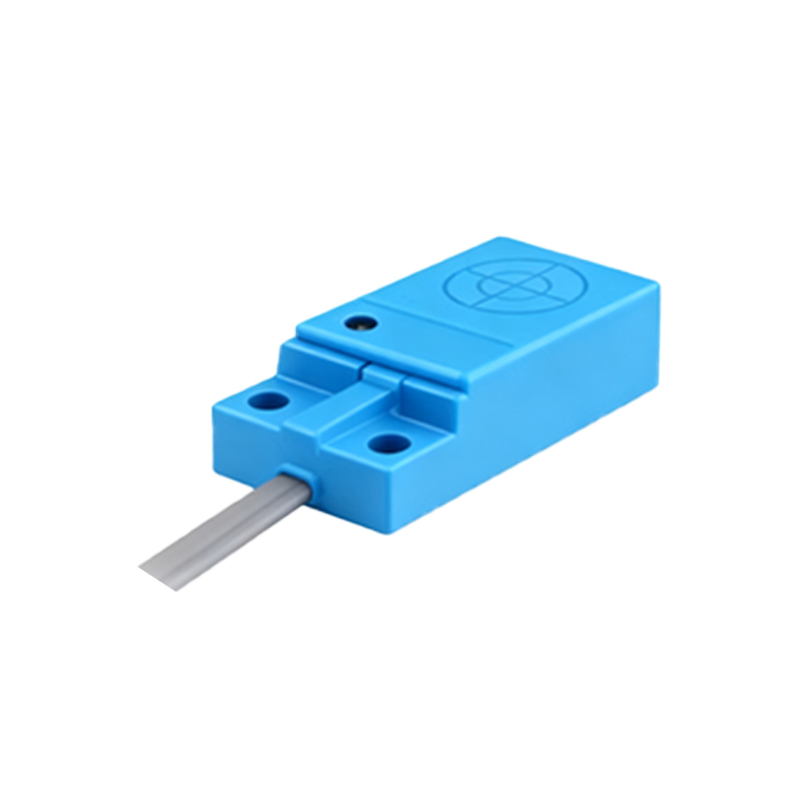
The fundamental operation hinges on the modulation and demodulation of infrared light to enhance reliability and immunity to ambient light interference. The IR emitter is driven by a modulated signal, often a specific frequency square wave, rather than a constant beam. The receiver is tuned to respond only to signals modulated at that same frequency. This method effectively filters out background IR noise from sources like sunlight or incandescent bulbs. There are two primary detection methods: diffuse reflection and beam-break. In the diffuse reflection (or proximity) mode, the emitter and receiver are housed in the same unit, relying on light reflected from the target. In the beam-break (or through-beam) mode, the emitter and receiver are separate units; detection occurs when an object interrupts the beam between them. Advanced sensors may incorporate triangulation or time-of-flight (ToF) principles for precise distance measurement.
Key Technical Specifications and Performance Parameters
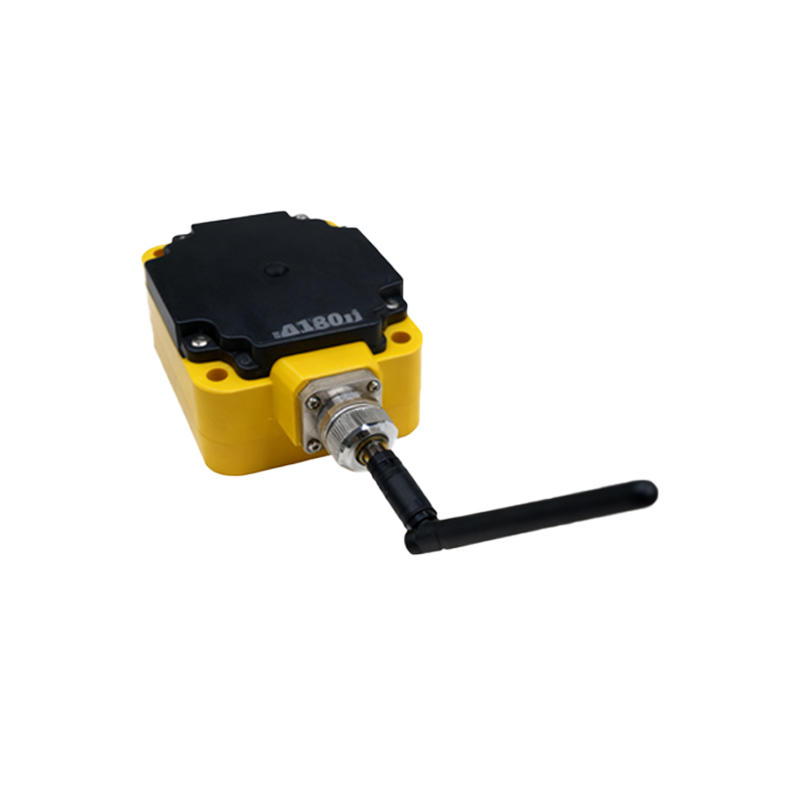
Selecting the appropriate IR proximity sensor requires careful consideration of several key parameters. Detection range defines the minimum and maximum distances at which the sensor can reliably detect an object. Response time indicates how quickly the sensor can react to a change in detection status, critical for high-speed automation. Repeatability refers to the sensor's consistency in detecting an object at the same distance under identical conditions. The sensing object material and color can significantly affect performance, as darker or non-reflective surfaces absorb more IR light. Environmental factors such as operating temperature, humidity, and exposure to dust or chemicals must align with the sensor's IP (Ingress Protection) rating. Additionally, the output type—digital (e.g., NPN/PNP transistor) or analog (e.g., 0-10V, 4-20mA)—must be compatible with the control system.
Primary Industrial Applications and Use Cases
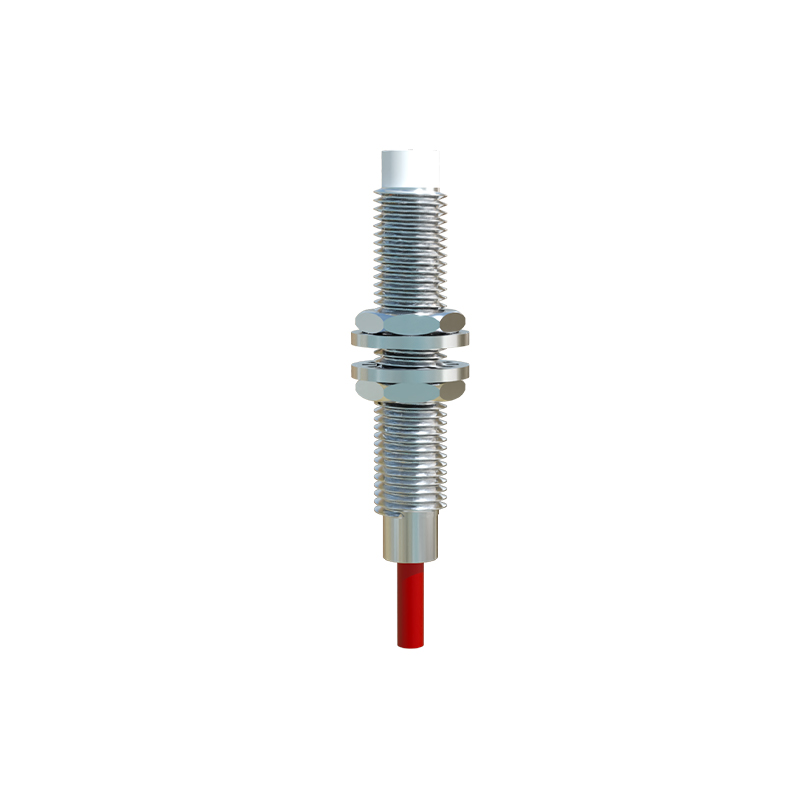
IR proximity sensors are ubiquitous across modern industry due to their versatility and reliability. In automated manufacturing and assembly lines, they are used for object counting, jam detection, and verifying the presence of components. Robotics heavily relies on them for obstacle avoidance, navigation, and gripper positioning. In the consumer electronics sector, they enable features like automatic screen dimming in smartphones and tablets when held to the ear. Packaging machinery utilizes these sensors for label detection, fill level control, and ensuring proper product placement. They are also integral to security systems for intrusion detection and in automotive applications for parking assistance and occupancy sensing. Their non-contact nature makes them perfect for clean environments or for handling delicate materials.
Advantages Over Other Sensing Technologies
Compared to other common sensing technologies like ultrasonic, capacitive, or inductive sensors, IR proximity sensors offer distinct benefits. They provide excellent resolution and can detect very small objects. Their response time is generally faster than ultrasonic sensors. Unlike inductive sensors, which only detect metals, IR sensors can detect almost any material, provided it reflects enough infrared light. They are less susceptible to acoustic noise or electrical interference than ultrasonic or capacitive sensors, respectively. Furthermore, their compact size and ability to be packaged in various housings allow for easy integration into space-constrained designs. The modulated light principle ensures stable operation in environments with variable ambient light conditions.
Critical Considerations for Installation and Maintenance
Proper installation is paramount for optimal sensor performance. Alignment between the emitter and receiver (for through-beam types) or correct orientation towards the target (for diffuse types) must be precise. The sensor should be mounted securely to prevent vibration-induced misalignment. It is crucial to consider the background environment; highly reflective surfaces behind the target can cause false triggers. Regular maintenance involves keeping the lens clean from dust, oil, or debris that can attenuate the IR signal. Users should periodically verify the sensing distance and output stability. Understanding the sensor's limitations, such as reduced performance with black rubber or matte black finishes, helps in troubleshooting and selecting complementary sensors for challenging applications.