Market Overview and Current Pricing Landscape
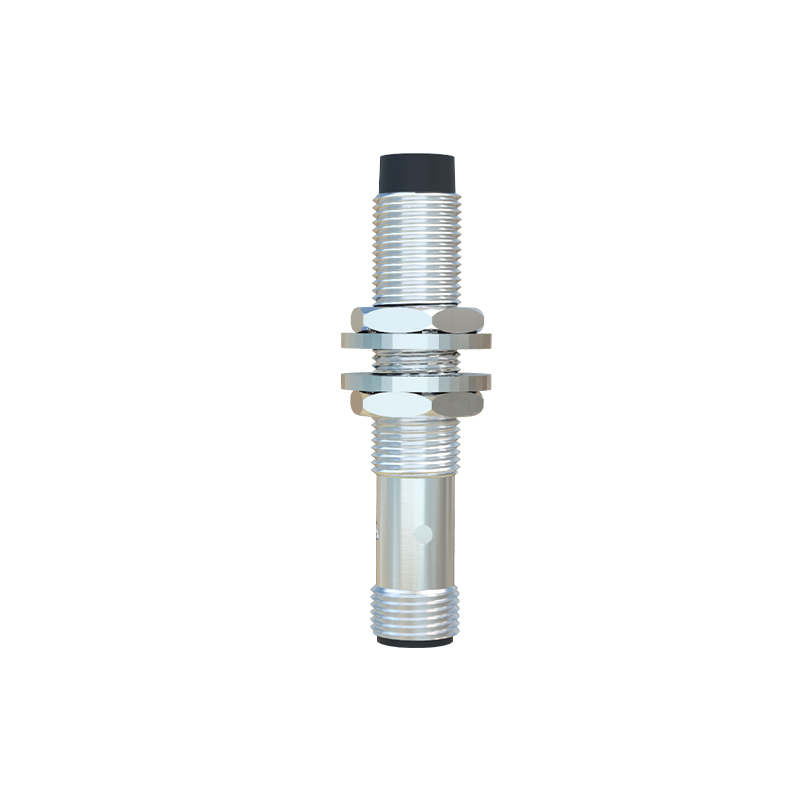
The Hong Kong proximity sensor market is characterized by its dynamism and competitive pricing, heavily influenced by its role as a major global trading hub. Prices exhibit significant variation based on sensor type, technology, brand, and quantity. Inductive proximity sensors, the most common type for metal detection, typically range from HKD 80 to HKD 800 per unit for standard models from international brands like Omron, Schneider Electric, or Sick. Capacitive sensors, used for non-metallic material detection, often fall within a similar bracket but can be slightly higher for specialized versions. Ultrasonic and photoelectric sensors command a premium, with prices starting from HKD 200 and can exceed HKD 2,000 for high-precision, long-range, or analog-output models. The local market is flooded with options, including genuine imports, regional variants, and a wide array of cost-effective alternatives from mainland China and Taiwan, which can be 30% to 50% lower in price.
Key Factors Influencing Sensor Costs
Several critical factors dictate the final price of a proximity sensor in Hong Kong. Firstly, the sensing technology and its complexity are primary cost drivers. A basic two-wire DC inductive sensor is substantially cheaper than a three-wire or four-wire analog sensor with programmable functions. Secondly, performance specifications such as sensing distance, repeat accuracy, switching frequency, and housing material (e.g., stainless steel vs. nickel-plated brass) directly impact cost. Thirdly, brand reputation and origin play a huge role. Japanese and European brands (e.g., Keyence, Panasonic, ifm) are positioned at the premium end, offering reliability and advanced features at a higher price point. In contrast, local distributors and regional manufacturers provide more budget-conscious solutions.
Impact of Supply Chain and Global Economics
Hong Kong's sensor prices are acutely sensitive to global supply chain dynamics and currency exchange rates. Fluctuations in the cost of raw materials like copper, plastics, and semiconductors directly translate into price adjustments. The recent global chip shortage has notably affected the availability and cost of sensors with embedded intelligent electronics. Furthermore, logistics costs and import tariffs, though relatively low in Hong Kong, contribute to the final landed cost. The strength of the Hong Kong Dollar (HKD) pegged to the USD also influences import costs from Europe, Japan, and the United States. Distributors often adjust prices quarterly to reflect these macroeconomic conditions.
Procurement Channels and Price Negotiation
Procurement strategy significantly affects the price paid. The market offers multiple channels: direct purchases from authorized distributors of major brands, deals through large industrial suppliers (e.g., RS Components, Digi-Key), transactions on B2B platforms like Global Sources, and purchases from local electronic component markets such as in Sham Shui Po. For bulk orders (quantities over 100 units), substantial discounts of 15-25% are commonly negotiable, especially with local distributors or direct from manufacturers' regional offices. Developing a long-term relationship with a reliable supplier often yields better pricing, consistent quality, and valuable technical support compared to one-off spot purchases.
Future Price Trends and Cost-Saving Strategies
The price trend for proximity sensors in Hong Kong is expected to see moderate upward pressure due to increasing material costs and the integration of smarter features like IO-Link communication. However, competitive pressure from high-volume manufacturers, particularly in mainland China, will continue to offer low-cost alternatives, keeping the market price-sensitive. To optimize expenditure, engineers are advised to precisely define application requirements to avoid over-specification, consider standardized sensor families for volume discounts, evaluate the total cost of ownership including maintenance, and periodically audit the supplier market. The adoption of sensor-as-a-service models or long-term supply agreements may also provide price stability for large-scale automation projects.