Introduction to Photoelectric Sensing Technology
Photoelectric sensors are widely utilized in industrial automation for their precision and reliability. These devices operate by emitting a light beam—typically infrared, visible, or laser—toward a target object. The sensor then detects changes in the light pattern, such as reflection, interruption, or intensity modulation, to determine the presence, position, or characteristics of the object. In weight detection applications, photoelectric sensors do not measure mass directly but are integrated into systems that assess weight through indirect methods, such as monitoring displacement, level changes, or container fill status. This non-contact approach minimizes wear and tear, making it ideal for harsh environments where traditional load cells might degrade.
Principles of Weight Detection via Photoelectric Sensors
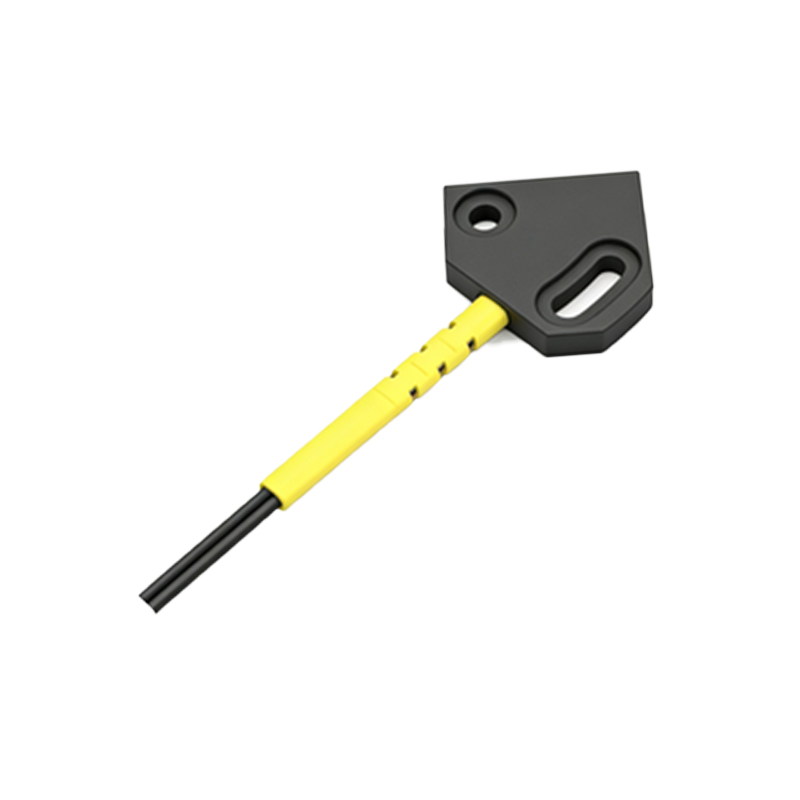
Weight detection using photoelectric sensors relies on correlating optical signals with physical changes caused by mass. For instance, in conveyor belt systems, sensors can track the height or volume of items passing through a designated area. By calibrating the sensor to recognize specific light beam interruptions or reflections from objects of known weight, the system can infer approximate weight based on size or displacement data. Advanced setups incorporate multiple sensors and video analysis, where cameras capture real-time footage of objects on scales, and photoelectric sensors trigger measurements when an item is properly positioned. This synergy allows for high-speed, automated weight sorting without direct contact, reducing contamination risks in industries like food processing or pharmaceuticals.
Integration with Video Systems for Enhanced Accuracy
Combining photoelectric sensors with video technology elevates weight detection capabilities. In such systems, sensors act as triggers for video recording or analysis, ensuring that weight measurements are taken at precise moments—for example, when an object settles on a weighing platform. The video feed provides visual confirmation and additional data, such as object orientation or shape, which can refine weight estimates. Machine learning algorithms can analyze this video data alongside sensor inputs to improve accuracy over time, identifying patterns like material density variations. This integration is particularly valuable in quality control, where deviations from standard weight ranges must be flagged instantly, and video evidence aids in troubleshooting or compliance documentation.
Industrial Applications and Case Studies
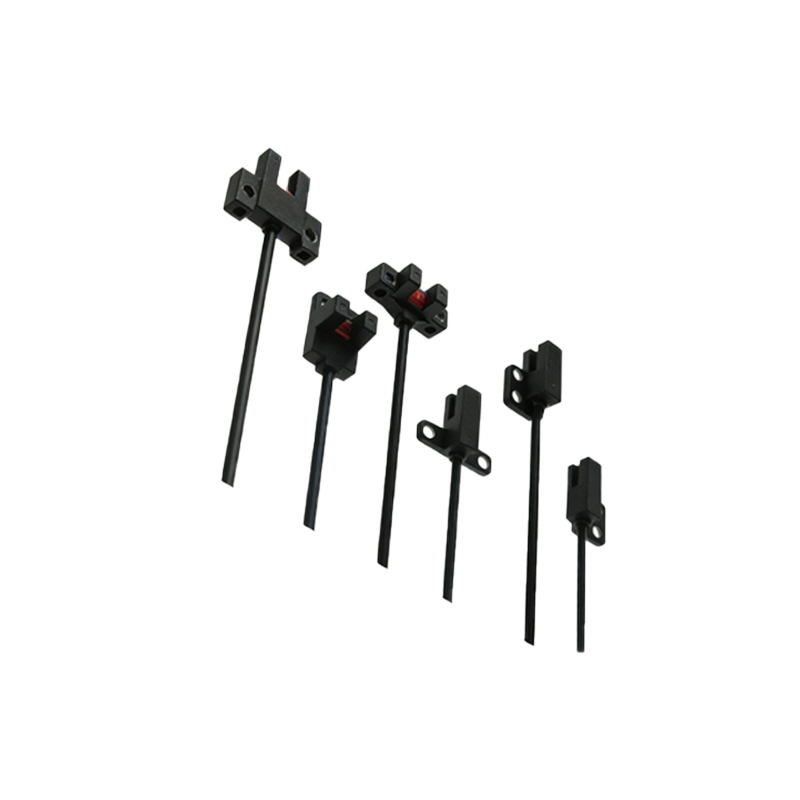
Photoelectric sensor-based weight detection is employed across diverse sectors. In logistics, sensors monitor package sizes on sorting lines, estimating weight to optimize shipping costs. Automotive manufacturers use them to verify component weights during assembly, ensuring safety standards. A notable case study involves a beverage bottling plant: photoelectric sensors detect fill levels in bottles by measuring light transmission through liquid, indirectly assessing weight to prevent underfilling. Video systems record the process, enabling operators to review any anomalies. These applications highlight how non-contact sensing reduces downtime and maintenance, as sensors are immune to dust, moisture, or chemical exposure that might plague mechanical scales.
Advantages Over Traditional Weighing Methods
Compared to conventional load cells or strain gauges, photoelectric sensors offer distinct benefits. They provide faster response times—often in milliseconds—suitable for high-throughput environments. Since no physical contact is required, there is no risk of sensor damage from heavy loads or abrasive materials. Additionally, photoelectric systems are easily scalable; adding more sensors or cameras can expand monitoring capabilities without major infrastructure changes. Cost-effectiveness is another advantage, as these sensors have long lifespans and lower installation costs. However, accuracy may depend on environmental factors like ambient light or object surface properties, necessitating proper calibration and shielding in real-world setups.
Future Trends and Technological Developments
The future of photoelectric weight detection lies in smarter, interconnected systems. Innovations in sensor miniaturization and enhanced sensitivity will allow for more precise measurements of smaller objects. Integration with the Internet of Things (IoT) enables real-time data streaming to cloud platforms, where analytics can predict maintenance needs or optimize workflows. Advances in artificial intelligence will further refine video analysis, enabling sensors to distinguish between materials or detect subtle weight changes dynamically. As industries embrace automation, photoelectric sensors paired with video technology will become cornerstone tools for efficient, accurate weight management, driving productivity and quality assurance forward.