Understanding Photoelectric Proximity Sensors
Photoelectric proximity sensors are essential components in modern automation and control systems. They operate by emitting a beam of light, typically infrared, visible red, or laser, and detecting changes in the received light to sense the presence, absence, or distance of an object without physical contact. The core principle involves a transmitter (light source) and a receiver (photodetector). When an object interrupts or reflects the light beam, the sensor's output state changes, triggering a control action. These sensors are prized for their long sensing ranges, high speed, and ability to detect a wide variety of materials, including glass, metal, plastic, and liquids. Their non-contact nature ensures no wear and tear on the sensor or the target, leading to high reliability and longevity in demanding industrial environments.
Key Sensing Modes: Diffuse, Retro-reflective, and Through-beam
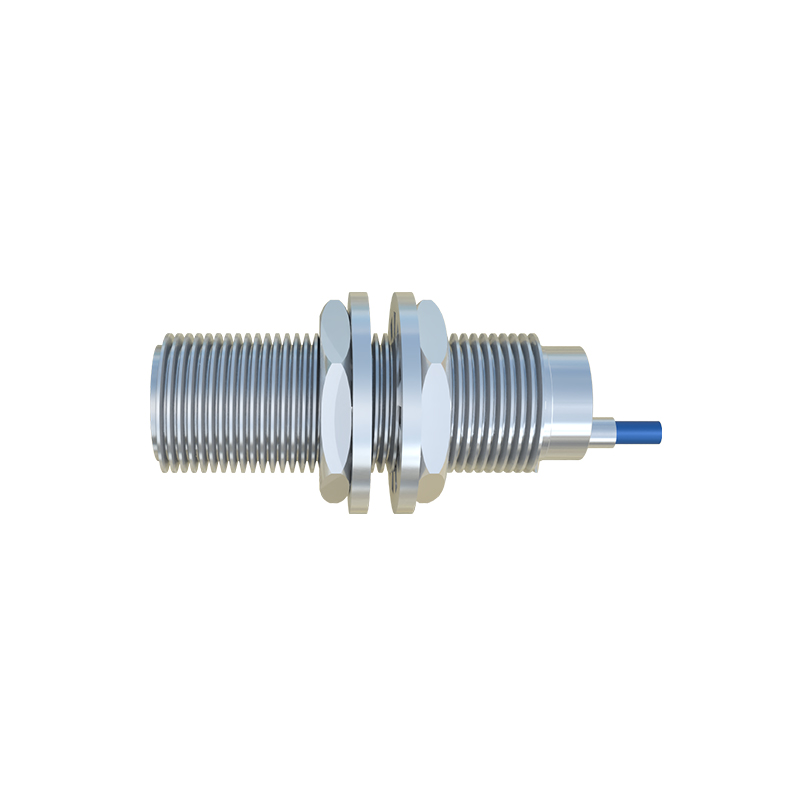
Selecting the appropriate sensing mode is the first critical step. The three primary types are diffuse, retro-reflective, and through-beam. Diffuse mode sensors have the emitter and receiver housed in a single unit. They detect objects by measuring the light reflected directly off the target's surface. This mode is simple to install as it requires only one mounting point, but sensing range and performance can be affected by the object's color, texture, and reflectivity. Retro-reflective sensors also combine the emitter and receiver but rely on a separate reflector. The beam travels to the reflector and back to the receiver. An object is detected when it breaks this beam. They offer a longer range than diffuse sensors and are less sensitive to object color, but they can be fooled by shiny objects that reflect light like the reflector. Through-beam sensors consist of two separate units: a transmitter and a receiver placed opposite each other. Detection occurs when an object interrupts the beam. This mode provides the longest sensing range, highest reliability, and is virtually immune to object color or surface finish, but installation is more complex due to the need for precise alignment of two components.
Critical Technical Specifications for Selection
Beyond the operating mode, several technical parameters must be evaluated. Sensing range is the maximum distance at which the sensor can reliably detect a standard target. Always consider a safety factor and choose a sensor with a range 20-30% greater than the application requires. Response time is the speed at which the sensor reacts to a change in state, crucial for high-speed production lines. Light source type is another key factor. Infrared LEDs are common and immune to ambient light; visible red LEDs are easier to align; laser diodes provide extremely precise, small spot detection for tiny parts. The housing material (e.g., metal or plastic) and Ingress Protection (IP) rating determine the sensor's durability against dust, water, oils, and chemicals in the installation environment. Finally, output configuration—whether NPN, PNP, analog, or IO-Link—must be compatible with the controller or PLC being used.
Application-Specific Considerations and Challenges
The operating environment and target characteristics heavily influence the optimal choice. For detecting transparent objects like glass or plastic films, a polarized retro-reflective or a focused beam diffuse sensor is necessary to avoid false triggers from the material's translucency. In environments with heavy background light (sunlight, welding arcs), sensors with modulated light and special filters are required to ensure stability. Detecting small or low-reflectivity targets (black rubber, matte surfaces) may require a sensor with background suppression or a focused laser beam. For applications involving rapid motion or vibration, a sensor with a very fast response time and a sturdy, vibration-resistant housing is mandatory. In washdown areas in food and beverage plants, sensors must have a high IP rating (e.g., IP69K) for protection against high-pressure, high-temperature cleaning.
Installation, Alignment, and Maintenance Best Practices
Proper installation is vital for reliable operation. Ensure the sensor is mounted securely to minimize vibration. For through-beam and retro-reflective types, precise alignment is critical; many models feature alignment indicators or built-in amplifiers with signal strength LEDs to aid this process. Avoid mounting sensors facing each other to prevent crosstalk. Consider the angle of incidence; the sensor beam should be perpendicular to the target surface for optimal reflection in diffuse mode. For maintenance, regularly clean the lens of dust, dirt, or grime that can attenuate the light beam and reduce effective range. Periodically check the mounting stability and electrical connections. Modern sensors with IO-Link capability offer advanced diagnostics, allowing for predictive maintenance by monitoring parameters like signal strength or internal temperature.
Future Trends and Smart Sensor Integration
The