What is a Position Switch?
A position switch, often referred to as a limit switch in industrial contexts, is an electromechanical device designed to detect the presence or absence of an object, or to monitor the limits of travel of a machine component. Its operation is fundamentally based on physical contact. The switch contains an actuator mechanism (like a lever, roller, or plunger) that, when moved by the target object, triggers an internal set of electrical contacts to change state—opening or closing a circuit. This simple, robust action generates a discrete on/off signal. Position switches are renowned for their durability, straightforward design, and ability to function reliably in harsh environments with dirt, oil, and vibration. Common types include lever-arm, plunger, and whisker switches, widely used to define the end-of-travel points for machinery, control conveyor sequences, or act as safety interlocks on guards and doors.
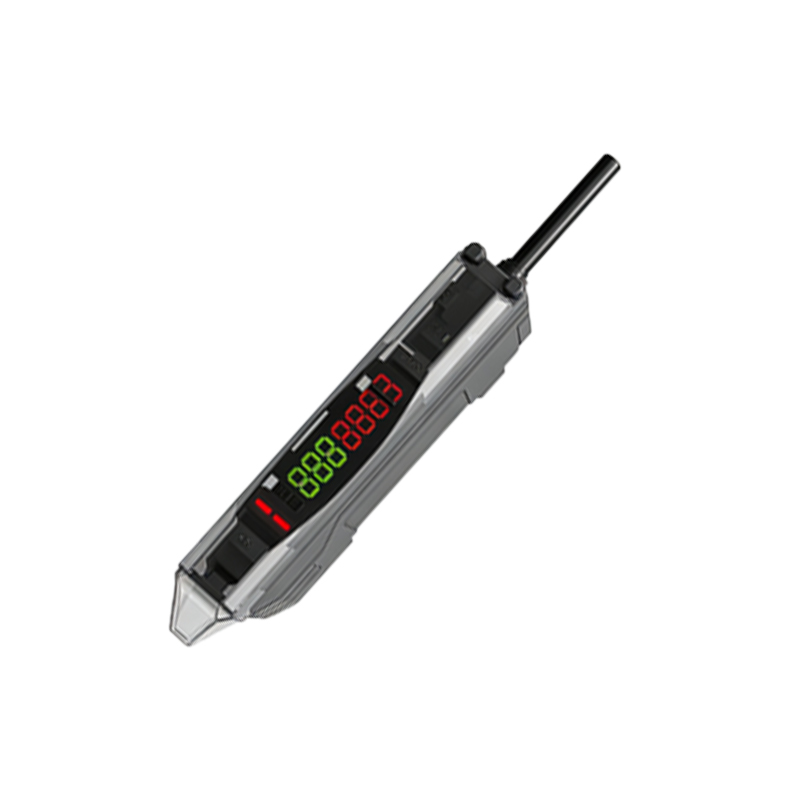
What is a Photoelectric Sensor?
In contrast, a photoelectric sensor is a non-contact sensing device that uses a beam of light to detect objects. Its core components are an emitter (light source, often LED-based) and a receiver. The sensor operates by analyzing the properties of the received light beam. There are three primary operating modes: through-beam (where the object breaks a beam between separate emitter and receiver units), retro-reflective (where the object breaks a beam reflected back from a reflector), and diffuse (proximity) mode (where the sensor detects light reflected directly off the object). When the target object interrupts or reflects the light beam, it causes a change in the receiver's output state. Photoelectric sensors excel at detecting objects over longer distances, handling high-speed applications, and sensing a wide variety of materials, including transparent or shiny objects with the right technology.
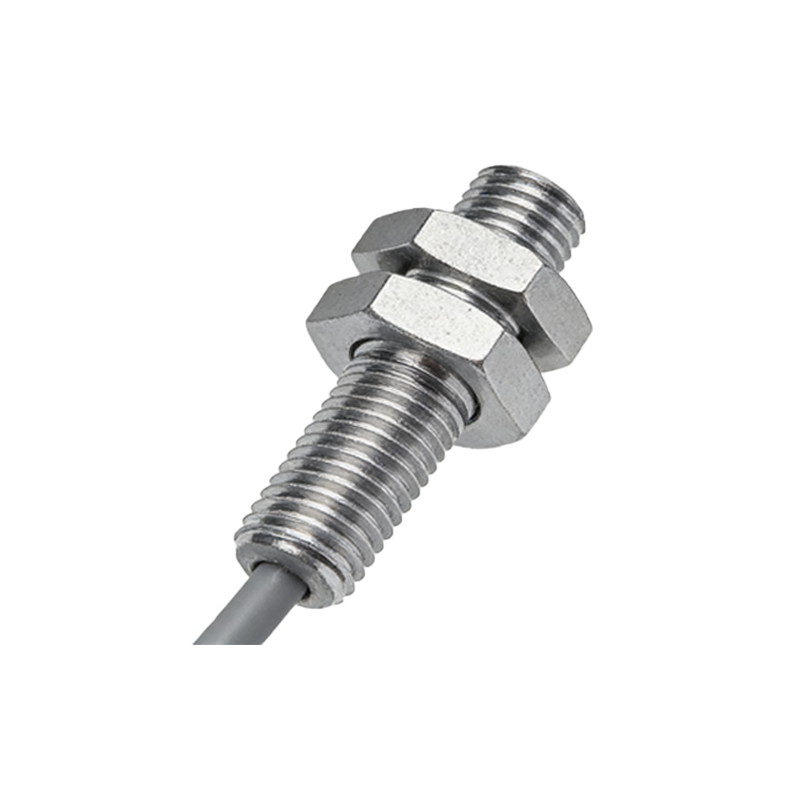
Core Distinction: Contact vs. Non-Contact Sensing
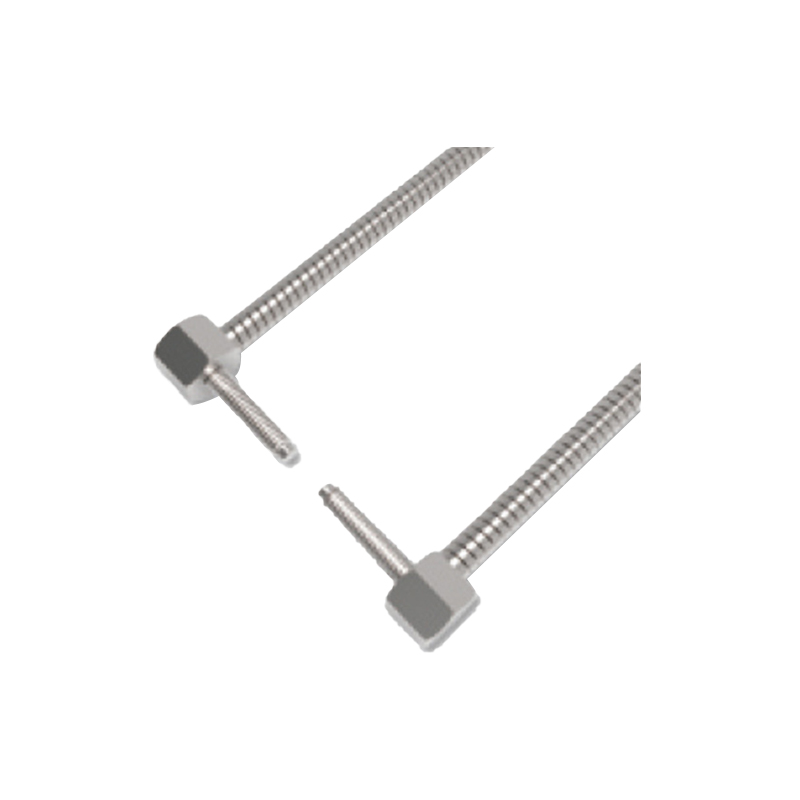
The most critical difference lies in the method of detection. A position switch is a *contact sensor*. It requires physical, mechanical interaction between its actuator and the target object to operate. This contact inherently involves wear and tear on the moving parts. A photoelectric sensor is a *non-contact sensor*. It detects objects without any physical touch, using an invisible or visible light beam. This non-contact nature eliminates mechanical wear on the sensor from the detection process, leading to a longer operational lifespan in suitable conditions and enabling detection of fragile or easily marred objects.
Key Performance and Application Comparisons
When selecting between these technologies, engineers must evaluate several factors. For sensing distance, photoelectric sensors are the clear winner, capable of reliable detection from millimeters up to several hundred meters. Position switches have a very limited range defined by their actuator's physical travel. In terms of speed and response frequency, the solid-state electronics of photoelectric sensors allow for extremely fast response times (microseconds), far surpassing the mechanical operation speed of a limit switch. Regarding environmental robustness, position switches often have an advantage in dirty, dusty, or oily conditions where physical debris could obscure a photoelectric sensor's lens. However, photoelectric sensors are available with robust housings and lens-cleaning systems for challenging environments. Position switches are typically the go-to choice for heavy-duty mechanical end-of-travel limits, safety door monitoring, and applications where a definitive physical stop is logical. Photoelectric sensors dominate in packaging, material handling, assembly line counting, and any process requiring high-speed, non-contact detection of diverse objects.
Can a Position Switch Be Considered a Photoelectric Sensor?
Based on the fundamental operating principles, the answer is definitively no. A position switch is not a type of photoelectric sensor. They belong to distinct categories of sensors: electromechanical versus photoelectric (optoelectronic). While both serve the ultimate purpose of object detection and position feedback, they achieve this through entirely different physical phenomena—mechanical displacement versus light beam modulation. Referring to a standard limit switch as a photoelectric sensor is technically incorrect and would cause significant confusion in specification, troubleshooting, and procurement. The choice is not about which is better universally, but which is the correct tool for the specific application's requirements for contact, speed, distance, environment, and target object.