Introduction to Limit Photoelectric Sensors
Limit photoelectric sensors are indispensable components in modern industrial automation, providing non-contact detection of objects based on the interruption or reflection of a light beam. These sensors operate by emitting a light beam from a transmitter to a receiver. When an object enters the sensing field, it alters the light beam's properties, triggering an electrical signal that can be used to control machinery, count items, or ensure safety. Their ability to function without physical contact makes them ideal for applications involving fragile, high-speed, or harsh environmental conditions, offering superior reliability and longevity compared to mechanical limit switches.
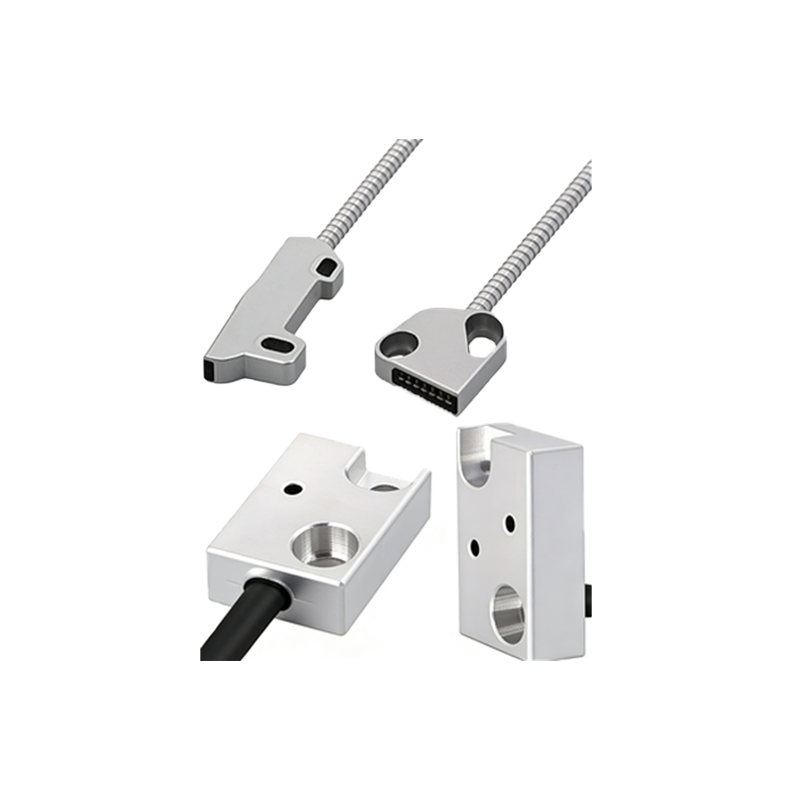
Key Operating Principles and Types
The core principle involves three main configurations: through-beam, retro-reflective, and diffuse reflective. Through-beam sensors consist of separate transmitter and receiver units, offering the longest sensing ranges and highest accuracy by detecting beam interruption. Retro-reflective types use a single unit with a reflector, where the beam returns to the receiver unless obstructed. Diffuse reflective sensors detect light reflected directly from the target object, making them suitable for varied surface properties. Each type is selected based on factors like detection distance, environmental interference, and target material, ensuring precise limit detection in diverse scenarios.
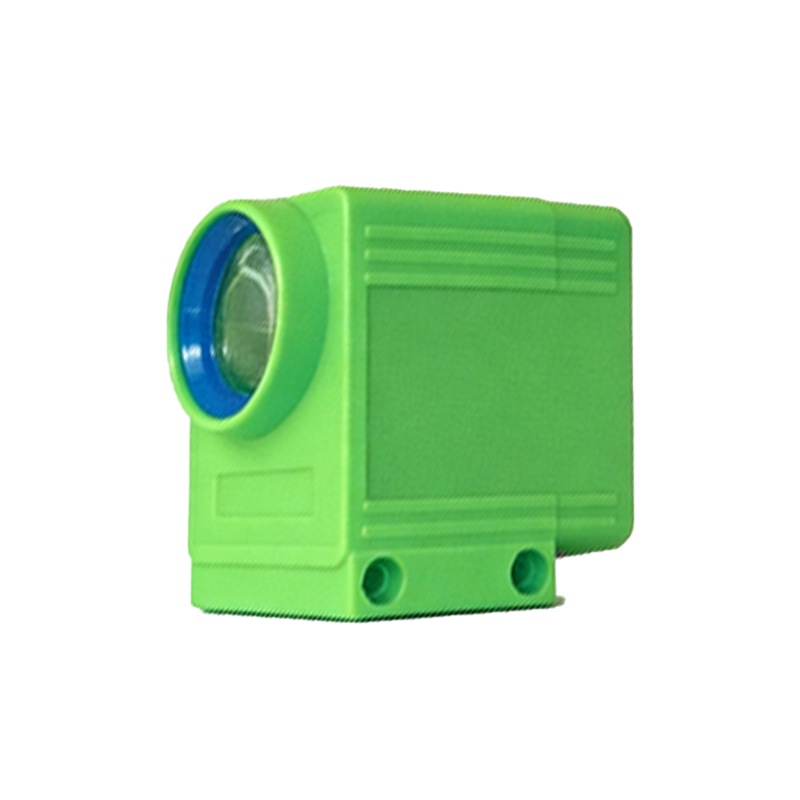
Case Study 1: Automated Packaging Lines
In automated packaging facilities, limit photoelectric sensors play a critical role in ensuring efficiency and accuracy. For instance, through-beam sensors are commonly installed along conveyor belts to detect the presence of products as they move. When a product passes through the beam, the sensor sends a signal to a programmable logic controller (PLC) to initiate actions like sealing, labeling, or sorting. This prevents jams and misalignments, optimizing throughput. In high-speed bottling plants, retro-reflective sensors verify bottle cap placement by detecting reflections from metallic caps, triggering rejection mechanisms for faulty items and maintaining quality control.
Case Study 2: Robotic Assembly Systems
Robotic arms in manufacturing rely on diffuse reflective limit sensors for precise positioning and part verification. During assembly, sensors mounted near grippers detect the presence of components, ensuring correct placement before welding or fastening. For example, in automotive assembly lines, sensors confirm door or panel alignment, sending feedback to robots to adjust movements in real-time. This reduces errors and downtime, enhancing production consistency. Additionally, safety curtains using multiple photoelectric beams create protected zones around robots, halting operations if a worker enters, thereby preventing accidents.
Case Study 3: Material Handling and Storage
Warehouse automation systems utilize limit photoelectric sensors to manage inventory and guide automated guided vehicles (AGVs). Through-beam sensors monitor pallet movement on racks, signaling when a storage location is occupied or empty. In retrieval systems, retro-reflective sensors detect barcodes on items, enabling accurate tracking and sorting. For AGVs, diffuse sensors navigate pathways by reflecting light off floor markers, avoiding collisions and optimizing routes. These applications improve logistics efficiency, reduce manual labor, and minimize handling errors in large-scale distribution centers.
Environmental Considerations and Maintenance
Industrial environments often pose challenges like dust, moisture, and temperature fluctuations, which can affect sensor performance. To address this, limit photoelectric sensors are designed with rugged housings (e.g., IP67 ratings) and use modulated infrared light to resist ambient interference. Regular maintenance involves cleaning lenses to prevent buildup and calibrating sensitivity settings. In food processing plants, washdown-resistant sensors ensure hygiene while detecting product limits on filling lines. By selecting appropriate sensor types and implementing preventive checks, industries can sustain reliable operation and extend sensor lifespan.
Future Trends and Innovations
Advancements in limit photoelectric sensor technology focus on integration with Industry 4.0 and IoT platforms. Smart sensors now feature embedded diagnostics and Ethernet connectivity, allowing remote monitoring and predictive maintenance via data analytics. Miniaturized designs enable installation in compact spaces, while enhanced algorithms improve detection of transparent or low-reflectivity objects. Emerging applications include collaborative robotics, where sensors provide real-time feedback for safe human-machine interaction. As automation evolves, these innovations will drive greater precision, adaptability, and energy efficiency in industrial limit sensing.