Unmatched Reliability in Harsh Environments
Proximity sensor switches have consistently earned high praise for their exceptional durability and operational stability in demanding industrial settings. Unlike mechanical limit switches, these non-contact devices eliminate issues related to wear and tear from physical impact. Engineers frequently highlight their performance in environments laden with dust, moisture, and extreme temperature fluctuations. The hermetically sealed designs of many inductive and capacitive models ensure that neither oil mist on a factory floor nor vibrations from heavy machinery compromise signal integrity. This reliability directly translates to reduced machine downtime and lower maintenance costs, a point of emphasis in countless facility manager testimonials. The ability to provide millions of error-free actuations makes them a cornerstone for automated production lines where consistency is paramount.
Precision and Repeatability for Automated Systems
The accuracy of modern proximity switches is a recurring theme in technical reviews. Experts commend the sub-millimeter detection consistency, which is critical for precision positioning, counting, and end-of-travel detection in robotics and CNC machinery. This high repeatability ensures that automated processes remain within tight tolerances cycle after cycle. Reviews often detail how specific models, particularly those with analog or IO-Link output, provide not just a binary signal but also valuable data on the distance to the target. This feature allows for more sophisticated control and monitoring, enabling predictive maintenance by detecting gradual misalignment before it causes a fault. The precision engineering behind the sensing face and oscillator circuit is frequently cited as a key differentiator between premium and standard units.
Simplified Installation and System Integration
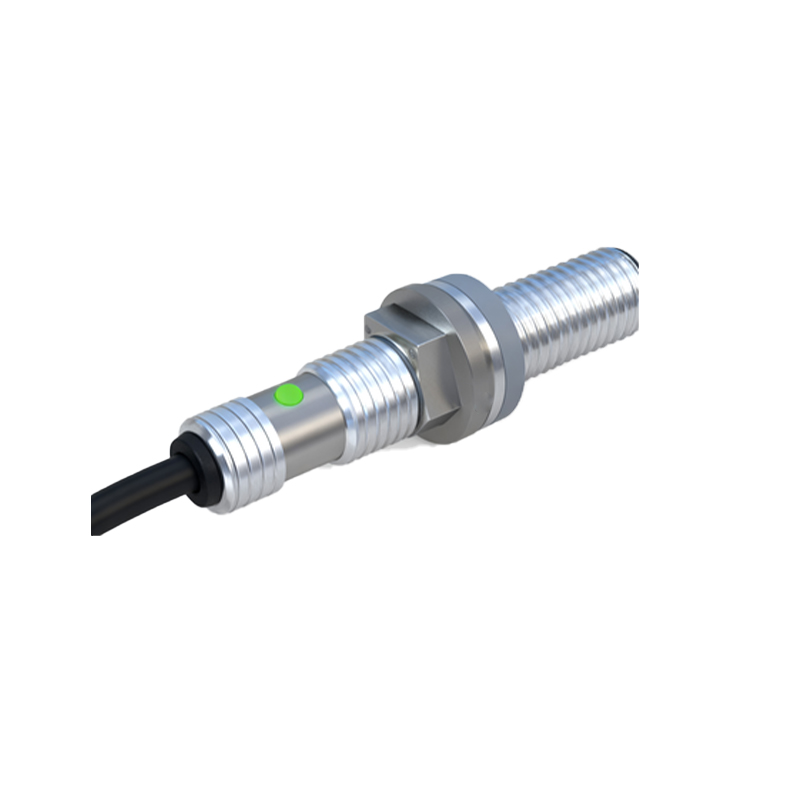
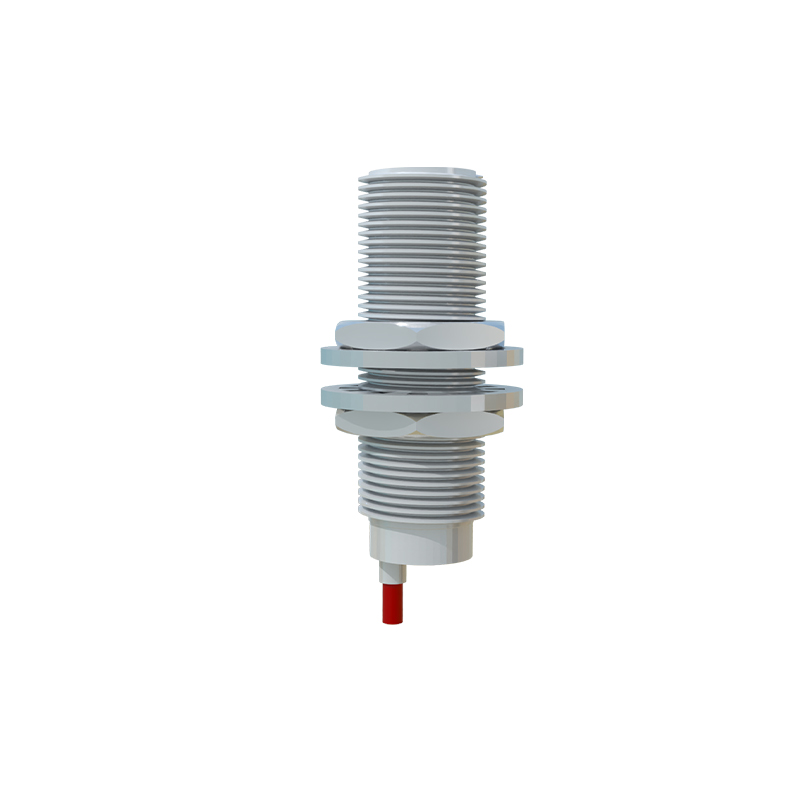
Ease of integration is a major advantage highlighted across user feedback. The standardized form factors (e.g., M8, M12, M18 connectors) and mounting styles allow for straightforward replacement or upgrade within existing panels and machinery. Electrical engineers appreciate the clear PNP (sourcing) and NPN (sinking) output configurations, along with comprehensive datasheets that simplify wiring and compatibility checks with PLCs. Furthermore, the availability of variants in diverse housing materials like nickel-plated brass, stainless steel, or PBT plastic allows for selection based on specific environmental and regulatory needs. This plug-and-play philosophy, combined with LED status indicators for easy diagnostics, significantly reduces commissioning time and complexity, a benefit repeatedly mentioned in project post-mortems and case studies.
Versatility Across Sensing Technologies
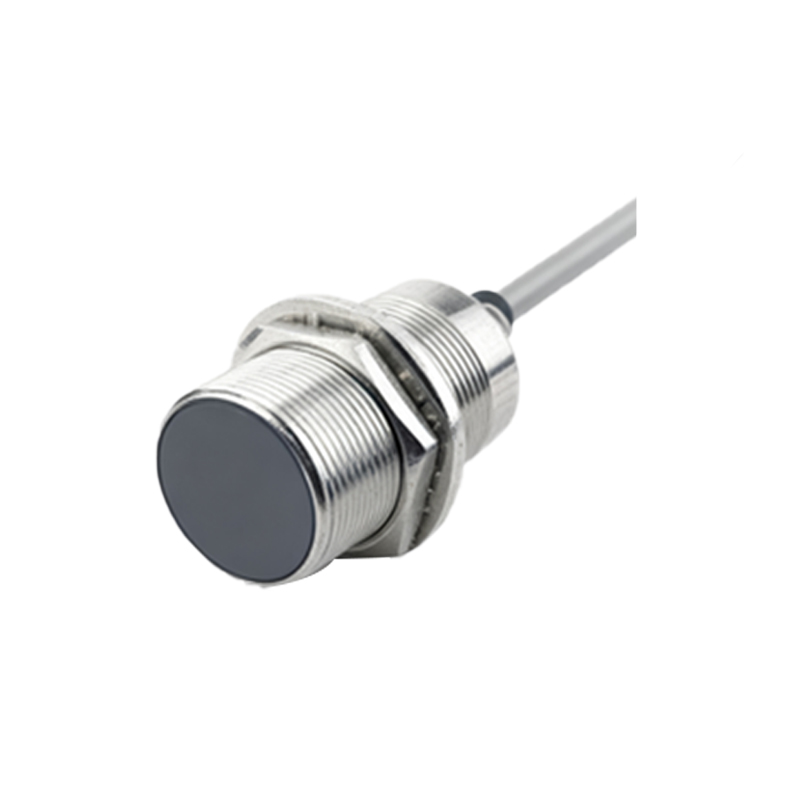
Industry praise is not limited to one type; it spans the core technologies. Inductive sensors are lauded for their robustness in detecting all metals, with specialized models for non-ferrous metals. Capacitive sensors receive accolades for their unique ability to detect non-metallic materials like liquids, plastics, and wood through container walls, solving unique application challenges. Ultrasonic proximity switches are recognized for their longer sensing ranges and insensitivity to color or transparency, making them ideal for irregular surface detection. This versatility means that for almost any material detection challenge—from a metal gear tooth to a glass bottle on a conveyor—there exists a highly-rated proximity switch solution. Application notes and white papers from leading manufacturers are filled with successful implementations across packaging, automotive, material handling, and food & beverage sectors.
Cost-Effectiveness and Total Ownership Value
While the initial unit cost may be higher than that of a basic mechanical switch, long-term cost-effectiveness is a dominant positive theme in expert evaluations. The analysis always focuses on Total Cost of Ownership (TCO). By eliminating physical contact, these switches avoid the recurring costs of actuator wear, replacement parts, and labor for adjustments. Their solid-state design leads to a dramatically longer service life. Additionally, their role in preventing machine damage by ensuring correct part positioning or jam detection adds immense unquantified value by avoiding catastrophic production stoppages. Financial controllers and plant engineers alike commend the strong return on investment (ROI) derived from increased equipment availability and yield rates, making the economic argument for proximity switches overwhelmingly positive in detailed operational reviews.