Introduction to Compact Photoelectric Sensors
In the realm of industrial automation, the demand for efficient, reliable, and space-saving sensing solutions is ever-growing. Compact photoelectric sensors have emerged as a pivotal technology, offering precise detection capabilities in a remarkably small form factor. These devices operate on the fundamental principle of using a light emitter and a receiver to detect the presence, absence, or distance of an object. Their lightweight and miniature design makes them ideal for applications where mounting space is severely limited, such as in small machinery, robotic grippers, conveyor systems, and intricate assembly lines. Unlike their larger counterparts, these sensors provide the same high-performance detection—including long sensing ranges, high-speed response, and excellent environmental resistance—without compromising on footprint. This guide delves into the technology, types, advantages, and key application considerations for these indispensable components in modern manufacturing and logistics.
Core Technology and Operating Principles
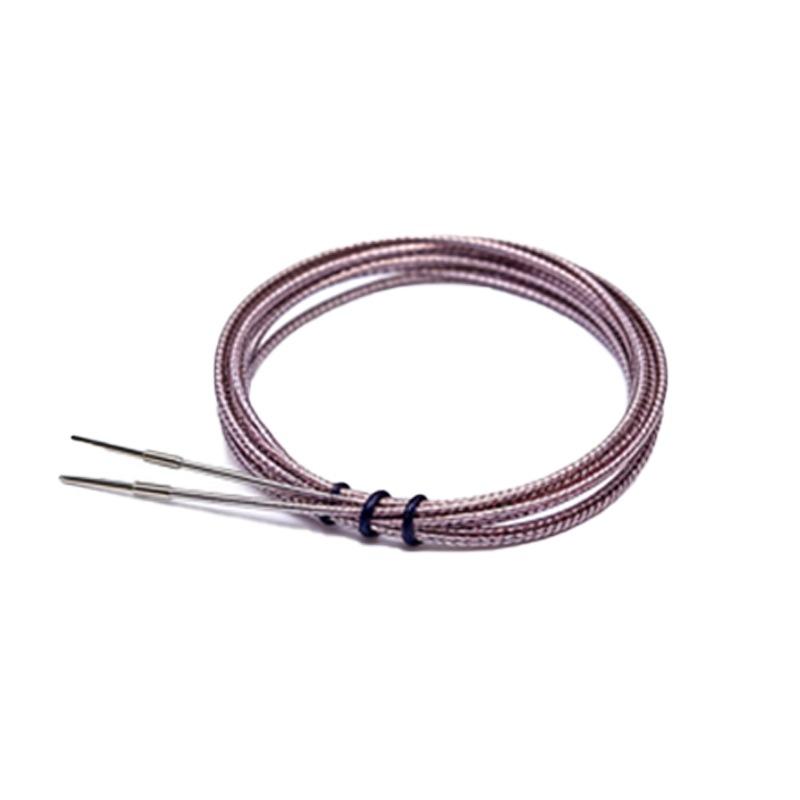
At the heart of every compact photoelectric sensor lies a simple yet effective mechanism. A light-emitting diode (LED), typically in the visible red, infrared, or laser spectrum, projects a light beam. A phototransistor or photodiode on the receiver side detects this beam. The sensor's output state changes based on how the target object affects this beam. The primary operating modes are through-beam, retro-reflective, and diffuse-reflective. Through-beam models have separate emitter and receiver units, offering the longest range and highest reliability. Retro-reflective types use a single housing and a reflector, bouncing the beam back. Diffuse-reflective sensors, the most common compact type, detect light reflected directly off the target object itself. Advanced models incorporate background suppression or foreground suppression techniques, using triangulation to detect objects only within a precise, defined distance, ignoring surfaces beyond or before the set point.
Key Advantages of Miniaturized Design
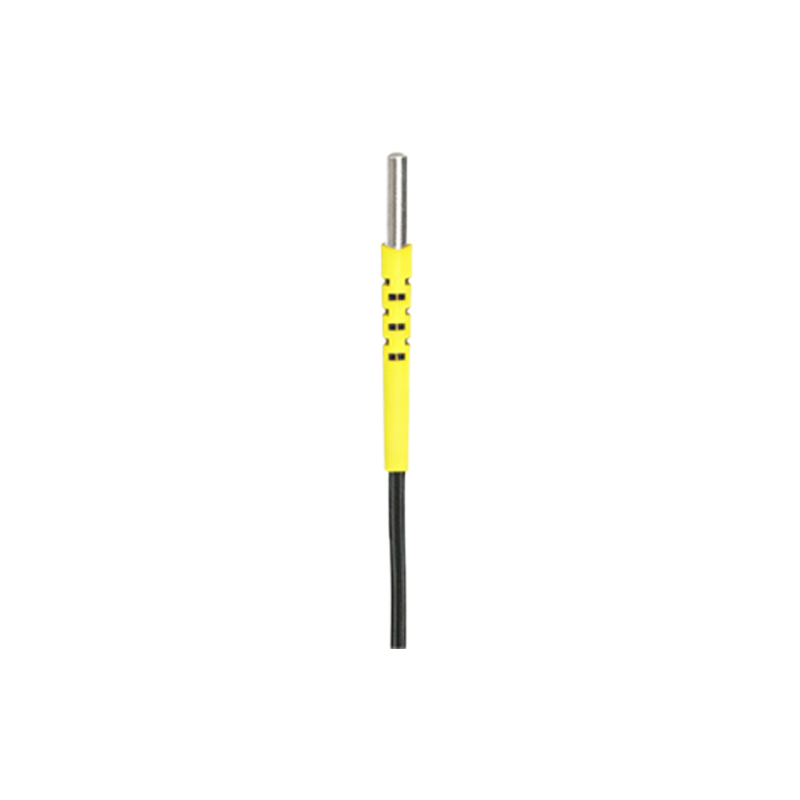
The primary benefit of a compact and lightweight design is unparalleled installation flexibility. Engineers can integrate these sensors into tight spaces previously inaccessible to standard sensors, enabling more innovative and dense machine designs. This leads to more compact overall equipment, saving valuable factory floor space. Despite their size, modern compact sensors do not sacrifice performance. They offer robust sensing ranges suitable for most industrial tasks, high switching frequencies for fast-moving objects, and impressive environmental durability. Many are equipped with IP67, IP68, or IP69K ratings, making them resistant to dust, water jets, and even high-pressure washdowns—a critical feature for food and beverage or pharmaceutical applications. Additionally, their low mass reduces mechanical stress on mounting brackets and moving parts, enhancing long-term reliability.
Selecting the Right Sensor for Your Application
Choosing an appropriate compact photoelectric sensor requires careful analysis of several parameters. First, define the sensing mode: through-beam for maximum reliability over long distances, retro-reflective for reflective targets, or diffuse-reflective for general-purpose detection. Next, consider the sensing range required and the size, color, and material of the target object. Dark or absorbent materials may require a sensor with higher excess gain. The response time must be faster than the process cycle to avoid missed detections. Environmental factors are crucial; select a housing material (e.g., stainless steel or PBT plastic) and ingress protection rating suitable for exposure to oils, chemicals, temperature extremes, or vibration. Finally, evaluate the output type (PNP/NPN, analog, or IO-Link) and electrical connection (pre-wired cable or quick-disconnect) to ensure compatibility with the control system.
Common Industrial Applications and Use Cases
The versatility of compact photoelectric sensors lends them to a vast array of automation tasks. In packaging machinery, they are used for label detection, cap presence verification, and product counting on high-speed lines. On assembly robots, they serve as precise positioning feedback for gripper jaws or end-effector tools. Within conveyor systems, they act as jam detectors, part positioners, and分流 gates controllers. In the electronics industry, their small size is perfect for detecting miniature components on PCBs. Logistics and material handling benefit from their use in parcel dimensioning, small parts sorting, and automated guided vehicle (AGV) navigation. Their ruggedness also allows for use in harsh environments, such as detecting fill levels in transparent bottles on filling lines or monitoring for broken tools in CNC machining centers.
Installation Tips and Maintenance Best Practices
Proper installation is key to maximizing sensor performance and lifespan. Always ensure the sensor is securely mounted to minimize vibration, which can cause false triggering. For diffuse-reflective sensors, maintain the recommended sensing distance and angle relative to the target. Avoid mounting sensors facing each other to prevent optical crosstalk. When using through-beam sensors, ensure precise alignment of the emitter and receiver; many models feature built-in alignment indicators. Keep lenses clean from dust, oil, or debris, as contamination can significantly reduce sensing range and reliability. For maintenance, implement regular inspection schedules to check for physical damage, lens cleanliness, and stable mounting. Modern sensors with IO-Link capability offer advanced condition monitoring, providing data on signal strength, temperature, and contamination levels for predictive maintenance, thereby minimizing unplanned downtime.