Understanding the Core Concepts
In the realm of industrial automation, the terms "proximity switch" and "sensor" are often used, sometimes interchangeably, leading to confusion. Fundamentally, a proximity switch is a specific type of sensor. The key distinction lies in their output and primary function. A proximity switch is designed to detect the presence or absence of a target object within a defined sensing range and provide a discrete, binary output—typically an ON/OFF signal. It acts as a digital switch triggered by proximity. The broader term "sensor," however, encompasses devices that convert a physical phenomenon (like pressure, temperature, light, or indeed, proximity) into a measurable signal, which can be either discrete (like a switch) or continuous (analog).
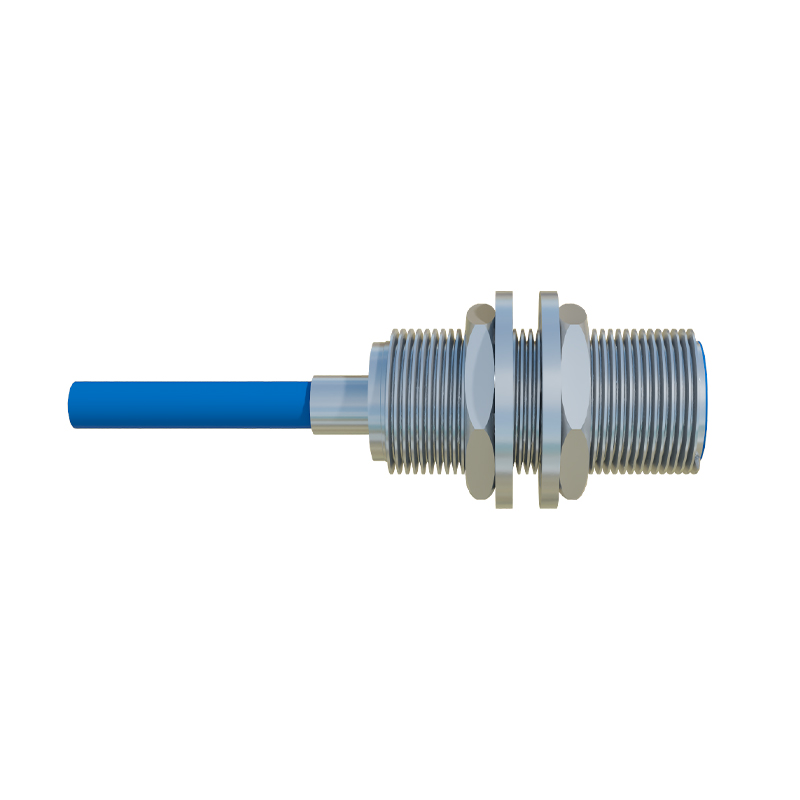
Output Signal: Discrete vs. Continuous
This is the most critical technical differentiator. A proximity switch delivers a discrete signal. For instance, an inductive proximity switch detecting a metal part will change its output state from 0V to 24V (or vice-versa) when the target enters its sensing field. It provides a simple "yes" or "no" answer. In contrast, many other sensor types provide analog or continuous signals. A photoelectric sensor with analog output, for example, can measure the intensity of reflected light, providing a variable voltage or current signal proportional to distance or reflectivity, enabling precise positioning or gradation detection beyond mere presence.
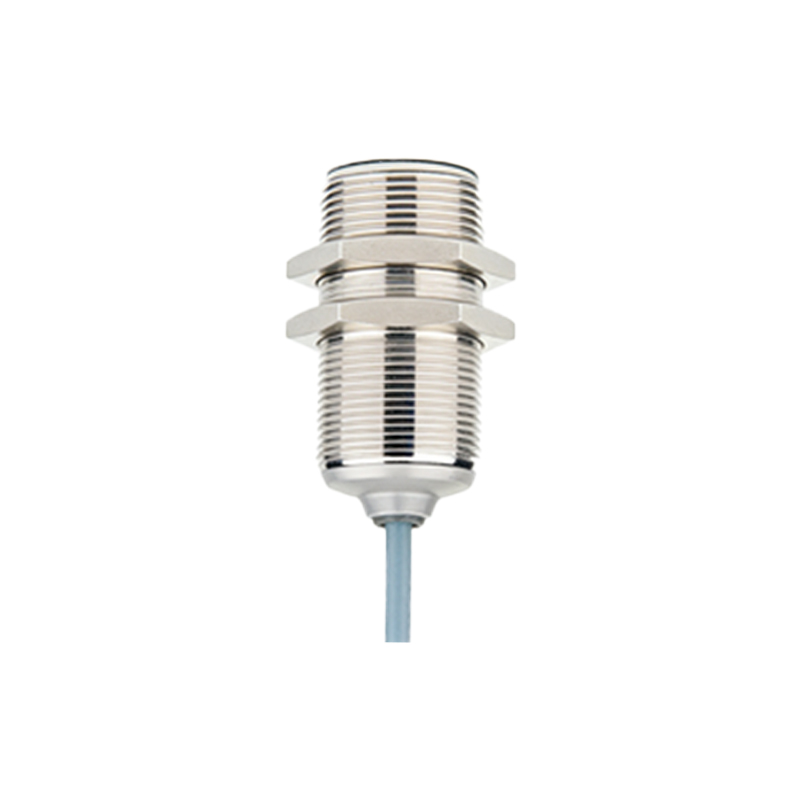
Internal Mechanism and Sensing Technologies
Both proximity switches and other sensors utilize various physical principles. Common proximity switch technologies include inductive (for metals), capacitive (for metals, liquids, plastics), and ultrasonic. Their internal circuitry is optimized for reliable switching at a specific threshold. Other sensor categories, like vision sensors, laser distance sensors, or color sensors, employ more complex mechanisms (cameras, triangulation, spectral analysis) to gather richer data. While a proximity switch answers "is it there?", these sensors can answer "where exactly is it?", "what color is it?", or "how far away is it?".
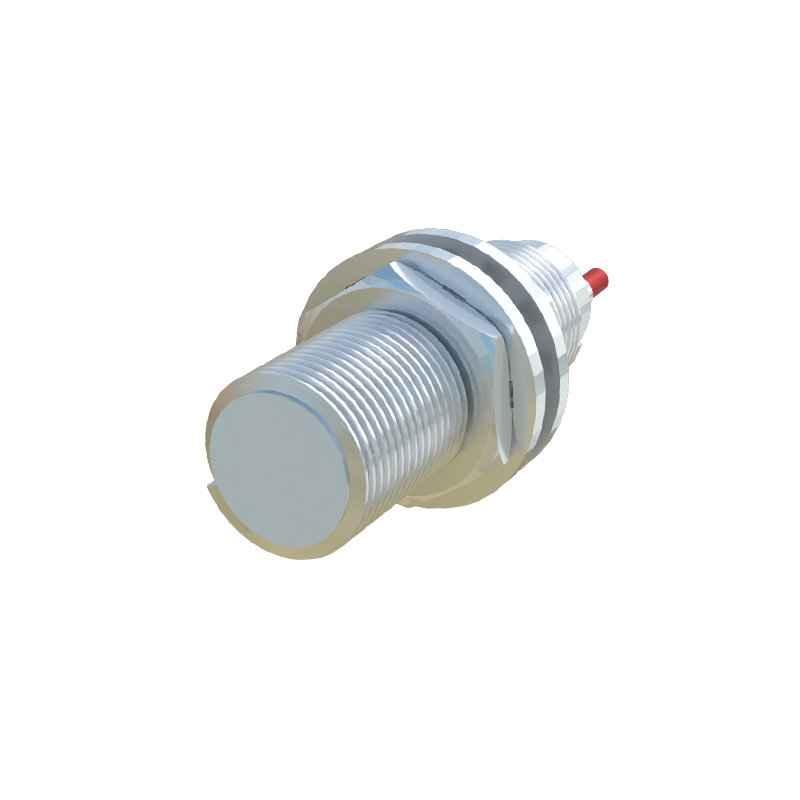
Application Focus in Industrial Settings
The application dictates the choice. Proximity switches are the workhorses for simple position detection, object counting, limit switching, and end-of-travel confirmation on machinery. Their robustness, fast response time, and resistance to environmental factors like dirt or oil make them ideal for harsh environments. More complex sensors are deployed where quantitative measurement is needed: monitoring tank levels with an analog ultrasonic sensor, controlling tension in a web process with a tension sensor, or performing quality inspection with a vision system. A proximity switch might confirm a part is in place for welding, while a laser sensor ensures the weld gun is at the precise height.
Electrical Interface and Wiring Considerations
Proximity switches typically have straightforward wiring, often with just three or four wires for power supply, ground, and the switched output (NPN or PNP sourcing/sinking). They interface directly with PLC (Programmable Logic Controller) digital input modules. Analog sensors require connection to specialized analog input modules on a PLC or controller. Their wiring might need shielding to prevent noise interference on the delicate continuous signal. The setup for analog sensors often involves scaling and calibration within the control software, which is generally not required for a standard proximity switch.
Selection Criteria: Key Parameters to Evaluate
When selecting a device, engineers must evaluate several parameters. For proximity switches: sensing range, switching frequency (response speed), housing material (e.g., stainless steel), and output type (NPN/PNP). For other sensors, the list expands to include resolution, accuracy, linearity, measurement range, and often the need for external processing units or software. Environmental factors like temperature, IP rating for ingress protection, and exposure to chemicals are crucial for both, but the complexity of some sensors can make them more vulnerable.
The Convergence in Smart Devices
The line between a simple switch and a smart sensor is blurring with technological advancement. Modern "proximity sensors" or "IO-Link proximity switches" now incorporate microprocessors. They can provide the traditional discrete switch signal while also transmitting additional data—like operating temperature, internal health diagnostics, or even a scaled analog value representing the exact measured distance—over a digital communication channel. This represents a fusion, offering both reliable switching and valuable process insights, bridging the historical gap between the two categories.