Understanding Ultra-Compact Proximity Sensor Technology
Ultra-compact proximity sensors represent a pinnacle of miniaturization in industrial automation. These devices, often with sensing faces as small as M5 or M8, are engineered to detect the presence or absence of metallic or non-metallic objects without physical contact. Their operation is primarily based on electromagnetic, capacitive, or inductive principles. The core value proposition lies in their ability to fit into extremely tight spaces where traditional sensors cannot, enabling more sophisticated and dense machine designs. This technological advancement is crucial for modern applications in robotics, semiconductor manufacturing, and precision assembly lines, where every millimeter counts. The internal components, including the oscillator, coil, and solid-state output circuitry, are meticulously designed to deliver reliable performance despite the reduced form factor.
Key Factors Influencing Sensor Pricing
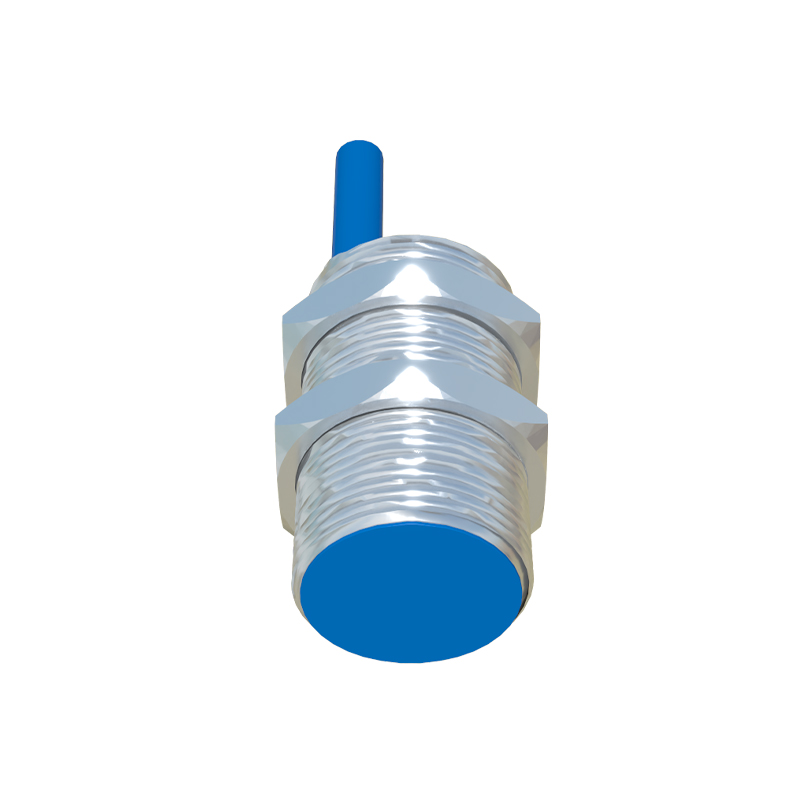
The market price for an ultra-compact proximity sensor is not a single figure but a spectrum determined by several critical factors. First and foremost is the sensing technology. Inductive sensors, typically used for metal detection, are generally more cost-effective than capacitive models, which can detect a wider range of materials including liquids and plastics. The second major factor is the housing material and ingress protection (IP) rating. Stainless steel housings with high IP ratings (e.g., IP67, IP69K) for washdown or harsh environments command a premium over standard nickel-plated brass or PBT plastic housings. Sensing range, while limited in ultra-compact models, also affects cost; a 2mm range sensor will differ in price from a 5mm range variant. Finally, output type (PNP/NPN, NO/NC) and connection style (pre-wired cable vs. quick-disconnect) add layers to the final cost structure.
Market Price Ranges and Analysis
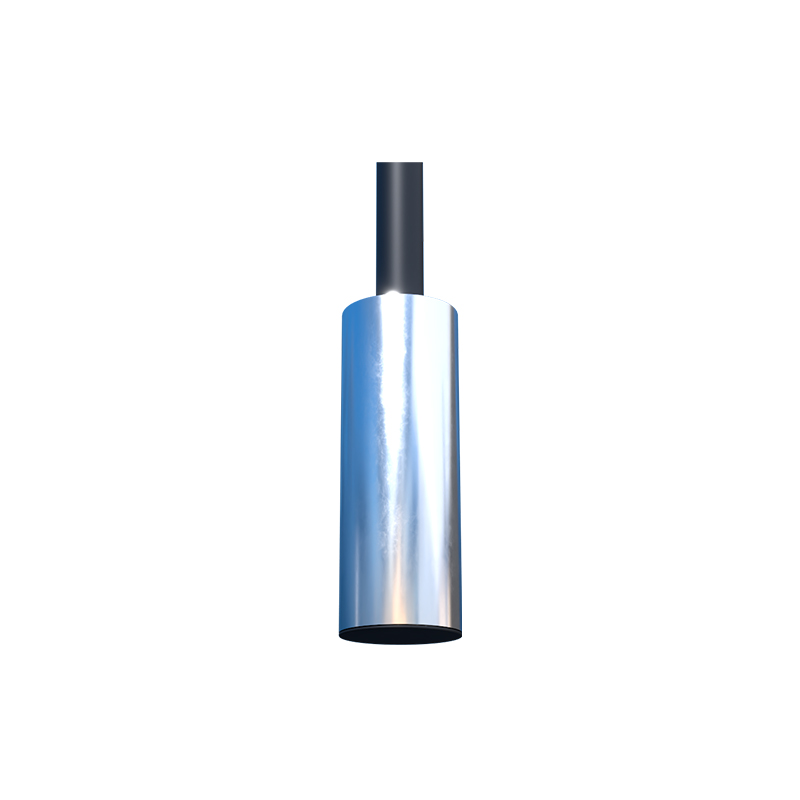
A detailed analysis of the global industrial components market reveals distinct pricing tiers for ultra-compact proximity sensors. Entry-level, standard-performance inductive sensors with basic housing and a 1-2mm range can start from as low as $15 to $30 per unit in single quantities. Mid-range sensors, featuring enhanced durability, higher switching frequencies, and improved temperature tolerance, typically fall between $35 and $70. The premium segment, which includes specialized models with advanced features like analog output, IO-Link communication for Industry 4.0 integration, exceptional EMC immunity, or exotic housing materials, can range from $80 to $150 or more per sensor. It is crucial to note that volume purchasing through distributors or OEM agreements can significantly reduce these unit costs, sometimes by 20% to 40%.
Cost-Benefit Considerations for Engineers
For a design engineer, the decision extends beyond the initial purchase price. The total cost of ownership (TCO) is a more accurate metric. A higher-priced sensor from a reputable manufacturer often translates to longer service life, higher reliability, and reduced downtime, which can save thousands in production losses. The compact size itself delivers a benefit by reducing the overall machine footprint and material costs. Furthermore, sensors with smart features like IO-Link can provide predictive maintenance data, diagnosing issues before they cause a line stoppage. Therefore, while the unit price is a key input, the evaluation must weigh performance specifications, brand reputation, warranty terms, and the potential cost of failure against the initial investment.
Procurement Strategies and Supplier Selection
Developing an effective procurement strategy is essential for optimizing expenditure on these components. Establishing a preferred supplier relationship with a major distributor (e.g., Allied Electronics, Digi-Key, or specialized industrial automation distributors) often yields better pricing, technical support, and inventory availability. Requesting formal quotations for annual projected volumes, rather than one-off purchases, is a standard practice to secure discounts. Engineers should also consider standardizing sensor models across different machines to leverage volume pricing and simplify maintenance. When selecting a supplier, evaluate not just the catalog price but also lead times, after-sales support, and the supplier's ability to provide comprehensive technical documentation and compliance certificates (e.g., UL, CE, cULus).
Future Trends Impacting Sensor Economics
The pricing landscape for ultra-compact sensors is dynamic, influenced by ongoing technological and market trends. The integration of advanced diagnostics and industrial networking protocols (like IO-Link) is becoming a standard expectation, which may gradually reduce the price premium for these "smart" features. Conversely, supply chain pressures for raw materials and semiconductors can cause price volatility. The rise of additive manufacturing (3D printing) may eventually influence custom housing costs. Looking ahead, the push for even smaller, more energy-efficient sensors for mobile and battery-operated equipment will drive R&D investments, potentially creating new performance tiers and corresponding price points in