Introduction to Photoelectric Proximity Sensors
Photoelectric proximity sensors are widely used in industrial automation for detecting the presence, absence, or position of objects without physical contact. These sensors operate by emitting a beam of light, typically infrared, visible red, or laser, and measuring the reflection or interruption of that beam. They are essential in applications ranging from packaging and material handling to robotics and safety systems. The core principle involves a light emitter and a receiver; when an object enters the sensing range, it alters the light pattern, triggering an output signal. This non-contact detection method ensures minimal wear and tear, high reliability, and fast response times, making photoelectric sensors a preferred choice in harsh or demanding environments where precision and durability are critical.
Key Specifications and Parameters
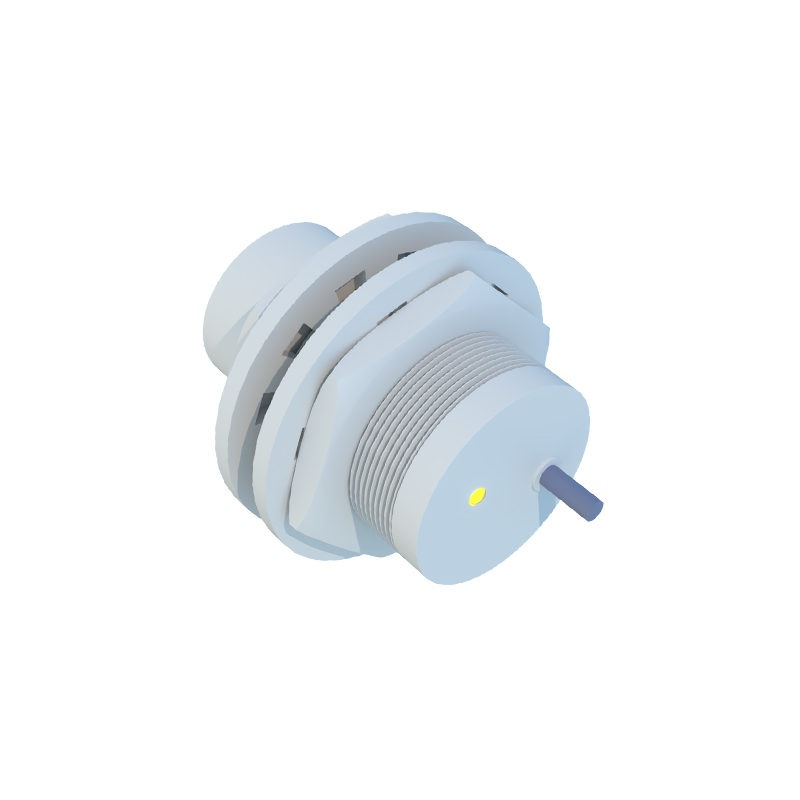
When selecting a photoelectric proximity sensor, understanding key specifications is crucial for optimal performance. Sensing range, measured in meters or millimeters, defines the maximum distance at which the sensor can reliably detect an object. For example, diffuse reflective models may offer ranges up to 2 meters, while through-beam sensors can extend to 50 meters or more. Light source type, such as LED, laser, or infrared, affects accuracy and environmental resistance; laser sensors provide high precision for small objects, whereas infrared variants are suitable for dusty or foggy conditions. Output types include digital (e.g., NPN, PNP, relay) or analog (e.g., 4-20mA, 0-10V), with response times typically under 1 millisecond for high-speed applications. Additional parameters like housing material (e.g., stainless steel, plastic), IP rating for ingress protection, and operating temperature range ensure compatibility with specific industrial settings.
Common Models and Their Applications
Various photoelectric sensor models cater to diverse industrial needs. Through-beam sensors, consisting of separate emitter and receiver units, are ideal for long-range detection up to 50 meters, used in conveyor systems and safety curtains. Retro-reflective sensors employ a reflector to bounce light back, suitable for medium-range tasks like object counting in logistics. Diffuse reflective sensors have integrated emitters and receivers, offering short-range detection for proximity applications, such as level sensing in tanks. Background suppression sensors use triangulation to ignore distant objects, perfect for detecting items on conveyor belts. Fiber optic sensors, with flexible cables, excel in tight spaces or high-temperature areas. Popular series like Omron E3Z, Sick W4, and Banner Q45 provide customizable options with adjustable sensitivity, teach-in functions, and robust enclosures for industries like automotive, food processing, and pharmaceuticals.
Selection Criteria for Industrial Use
Choosing the right photoelectric proximity sensor involves evaluating application-specific factors. First, consider the object properties: size, color, material, and surface texture can impact light reflection; for instance, dark or glossy surfaces may require sensors with higher sensitivity or background suppression. Environmental conditions like dust, moisture, or vibration necessitate sensors with high IP ratings (e.g., IP67 for waterproofing) and resistant housings. Mounting constraints and space limitations influence the choice of compact or modular designs. Electrical requirements, such as supply voltage (commonly 10-30V DC or 90-250V AC) and output compatibility with PLCs or controllers, must align with existing systems. Cost-effectiveness and maintenance needs, including easy calibration and long lifespan, also play a role in selection. Consulting manufacturer datasheets and testing in real conditions can help avoid common pitfalls like false triggers or insufficient range.
Installation and Maintenance Tips
Proper installation and maintenance enhance the longevity and accuracy of photoelectric proximity sensors. During installation, ensure precise alignment between emitter and receiver for through-beam or retro-reflective types to avoid signal loss. For diffuse sensors, position them at an optimal angle to minimize interference from ambient light or reflective backgrounds. Use mounting brackets or adjustable holders to secure sensors in place, avoiding mechanical stress on cables. Regular maintenance includes cleaning lenses with a soft cloth to prevent dust buildup, checking wiring for corrosion or damage, and verifying output signals with multimeters or diagnostic tools. Calibration may be needed periodically, especially in environments with temperature fluctuations. Implementing preventive measures, such as surge protection for electrical spikes and shielding from strong light sources, reduces downtime and ensures consistent operation in automated production lines.
Future Trends and Innovations
The photoelectric proximity sensor industry is evolving with technological advancements aimed at improving efficiency and integration. Smart sensors with IO-Link communication enable real-time data exchange, predictive maintenance, and remote configuration, aligning with Industry 4.0 initiatives. Miniaturization trends lead to smaller, more powerful sensors for compact machinery and IoT devices. Enhanced materials, such as corrosion-resistant coatings and