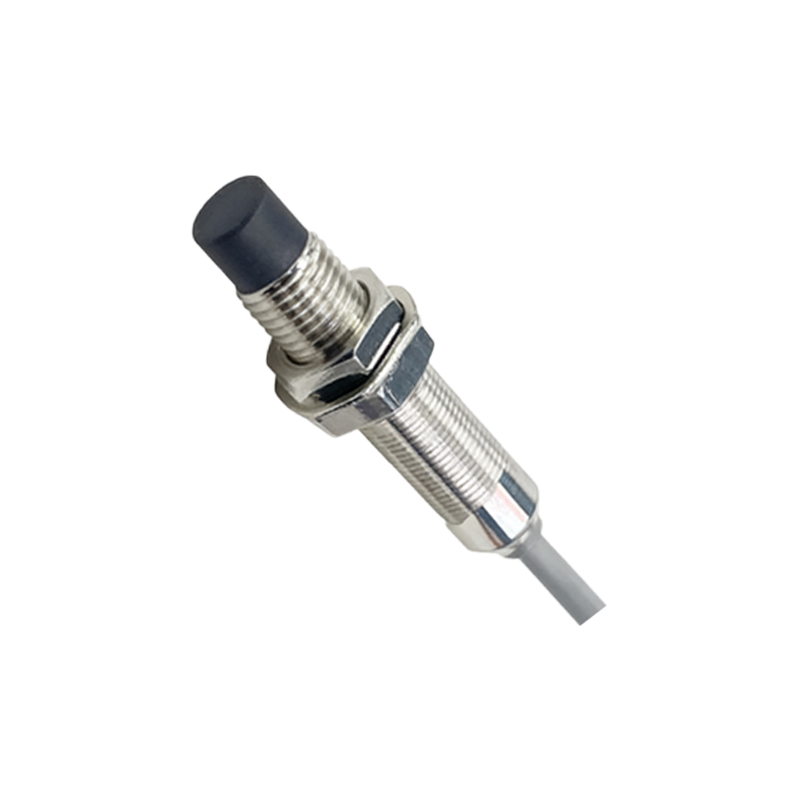
In the world of industrial automation, consumer electronics, and safety systems, proximity sensors are the silent, reliable sentinels. They detect the presence or absence of objects without physical contact, enabling countless automated processes. While factors like sensing range, accuracy, and response time are often the primary focus of design and selection, one critical aspect that ensures long-term reliability and consistent performance is often overlooked: color stability. The phenomenon of "proximity sensor discoloration" can be a significant hidden threat to operational integrity.
At its core, a proximity sensor's housing and often its lens or sensing face are constructed from engineered plastics or composite materials. These materials are chosen for their durability, cost-effectiveness, and manufacturability. However, they are not impervious to environmental stressors. Prolonged exposure to certain conditions can lead to physical changes in these materials, most visibly manifested as yellowing, browning, or fading—a process collectively known as discoloration. This is not merely a cosmetic issue.
The primary enemy of color stability in sensor housings is ultraviolet (UV) radiation from sunlight or artificial lighting. UV rays possess high energy that breaks down the chemical bonds in polymers, leading to photo-degradation. This process not only changes the color—typically causing a yellow tint—but also embrittles the plastic, making it prone to cracking. In industrial settings, sensors near windows, skylights, or in outdoor applications are particularly vulnerable. Furthermore, chemical exposure is a major culprit. Ozone, solvents, cleaning agents, oils, and even certain gases in the atmosphere can react with the polymer chains. For instance, sensors in automotive manufacturing might be exposed to lubricants or degreasers, while those in chemical plants face a harsher cocktail of vapors. Thermal stress from continuous operation in high-temperature environments or frequent thermal cycling can accelerate the degradation of additives within the plastic, leading to color change and material fatigue.
Why does this discoloration matter for a device that doesn't rely on optics for its primary function? The impact is both functional and systemic. Many modern inductive, capacitive, and ultrasonic proximity sensors incorporate a status LED indicator. A yellowed or darkened lens can severely obscure this LED, making it difficult for technicians to diagnose operational status, check for faults, or confirm detection at a glance. This increases maintenance time and the potential for error. More critically, for photoelectric sensors—a major subtype of proximity sensors—discoloration of the lens or emitter/receiver window is catastrophic. It acts as a filter, attenuating the transmitted or received light beam. This reduction in light intensity directly compromises the sensor's effective sensing range and can lead to false negatives (failing to detect an object) or erratic behavior. In precision applications, this is unacceptable. Discoloration is also a visual indicator of deeper material degradation. A brittle, cracked housing compromises the sensor's Ingress Protection (IP) rating, allowing dust and moisture to infiltrate. This leads to internal corrosion, electrical shorts, and ultimately, premature sensor failure, causing unplanned downtime and costly replacements.
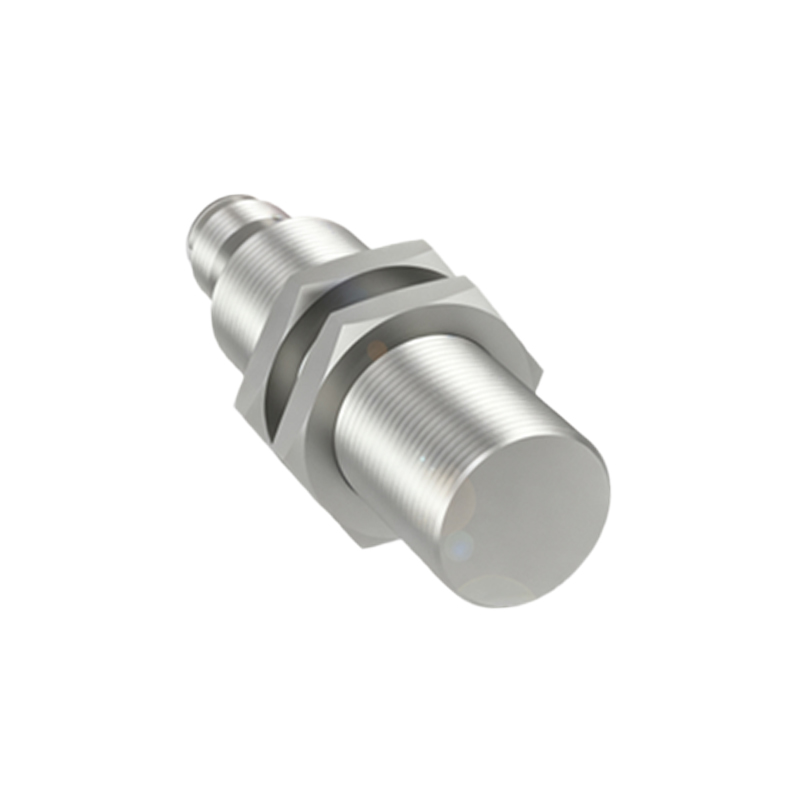
The good news is that through informed material selection and design, "proximity sensor discoloration" is a preventable problem. Leading manufacturers address this by employing advanced polymer science. The use of UV-stabilized plastics is fundamental. These materials contain additives like UV absorbers and Hindered Amine Light Stabilizers (HALS) that scavenge free radicals generated by UV exposure, dramatically slowing the degradation process. For the most demanding environments, sensors with polycarbonate, polysulfone, or specially formulated PVC housings offer superior resistance to yellowing, chemicals, and high temperatures. The design of the sensor also plays a role. Models that feature a recessed lens or a protective lip shield the critical optical components from direct exposure to UV rays and splashes of chemicals. For photoelectric sensors, the use of glass lenses, which are inherently UV-stable and chemically inert, is the gold standard for ensuring permanent optical clarity, though it may increase cost.
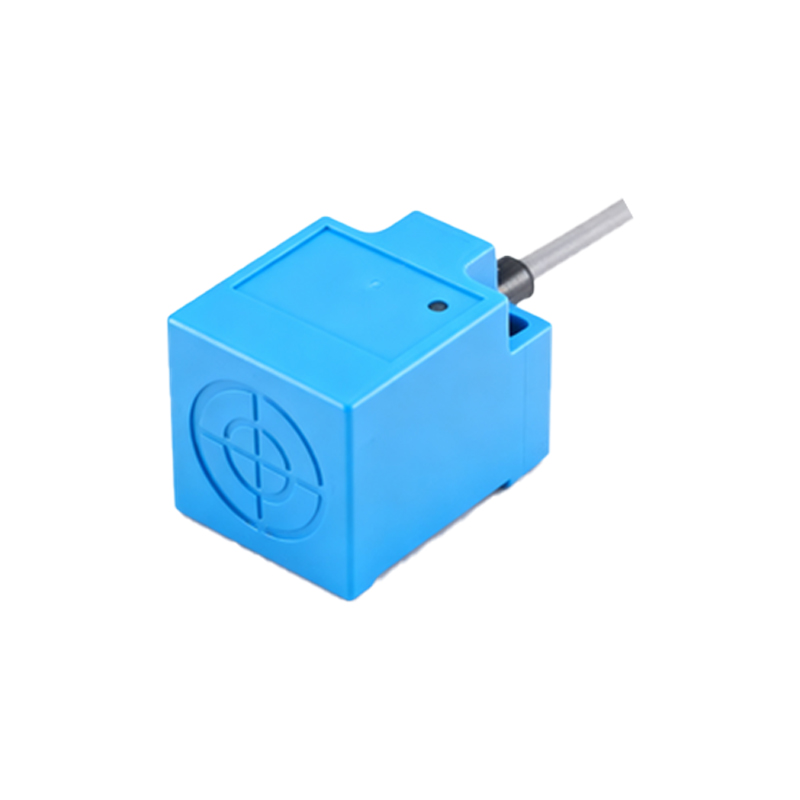
For system integrators and maintenance engineers, proactive measures are key. When selecting a sensor for a new application, consider the total environment. Will it be exposed to sunlight, welding flashes, or UV sterilization lamps? Will it encounter oils, solvents, or acidic fumes? What is the ambient temperature range? Choosing a sensor with an appropriate IP rating (e.g., IP67, IP69K) and a material specification that mentions UV resistance or chemical resistance from the outset is the best defense. During operation, implementing a regular inspection schedule to check for early signs of yellowing, haze, or cracking can help plan proactive replacements before a failure occurs. Cleaning sensors only with recommended, mild agents prevents accelerating chemical degradation.
In conclusion, the color stability of a proximity sensor is a critical marker of its quality and long-term viability. Discoloration is a warning