In modern industrial automation and machinery, ensuring the safety of personnel and equipment is paramount. Safety proximity sensors play a critical role in this domain, acting as the first line of defense against potential hazards. Unlike standard proximity sensors, these devices are specifically designed, certified, and integrated to perform safety functions. They are engineered to detect the presence or absence of objects or people within a predefined hazardous zone and trigger a safety response, such as stopping a machine, before harm can occur.
The core principle behind safety proximity sensors is reliable detection with a focus on fail-safe operation. They are built with redundant circuits, self-monitoring capabilities, and diagnostic functions. This architecture ensures that if an internal fault occurs—such as a wire break, short circuit, or component failure—the sensor will default to a safe state, typically by signaling the connected safety control system to initiate a protective stop. This fail-safe design is a fundamental requirement for devices used in safety-critical applications.
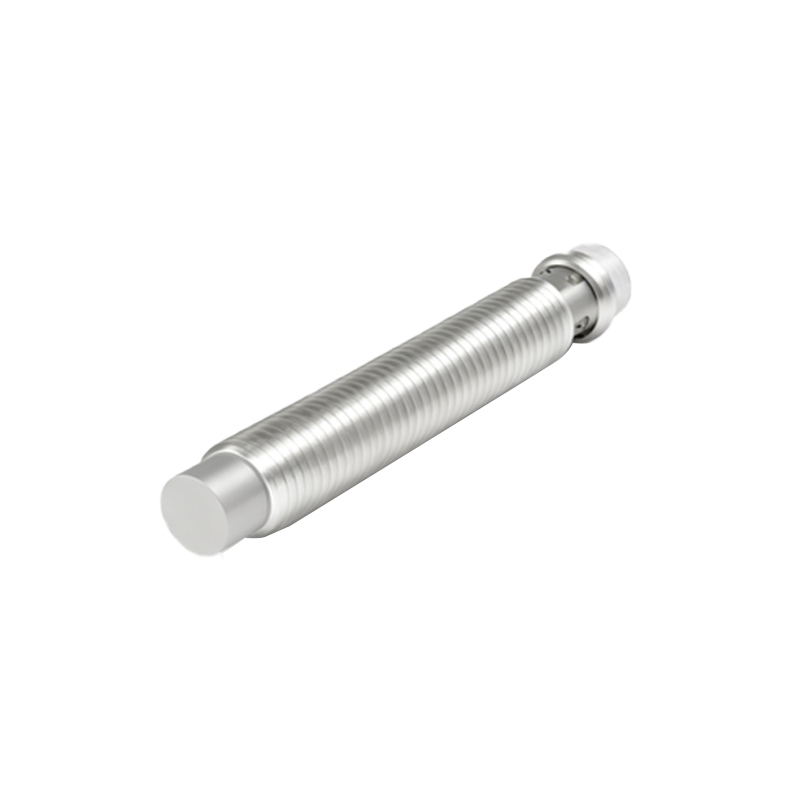
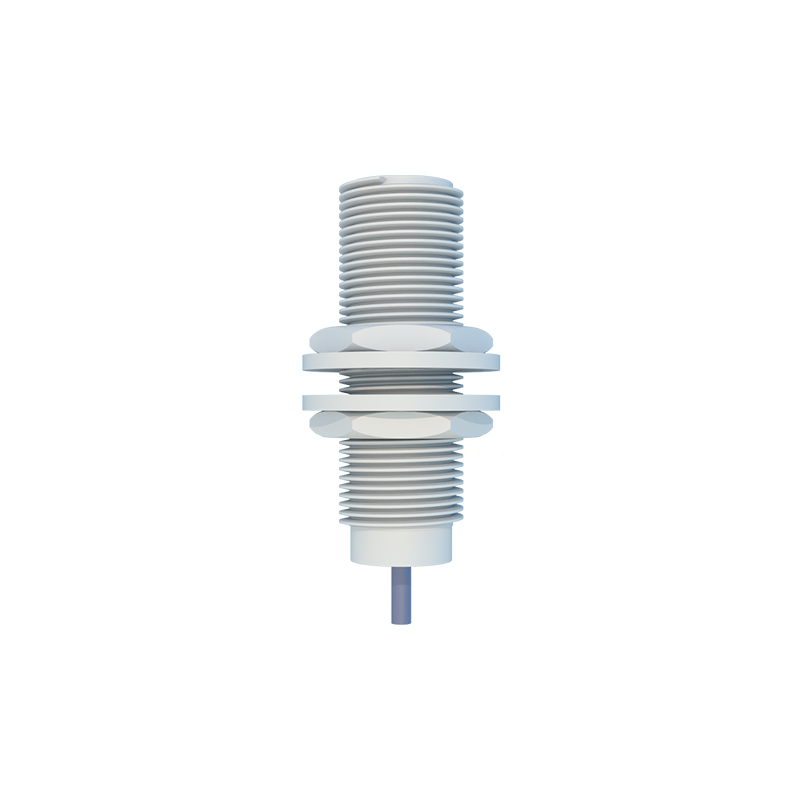
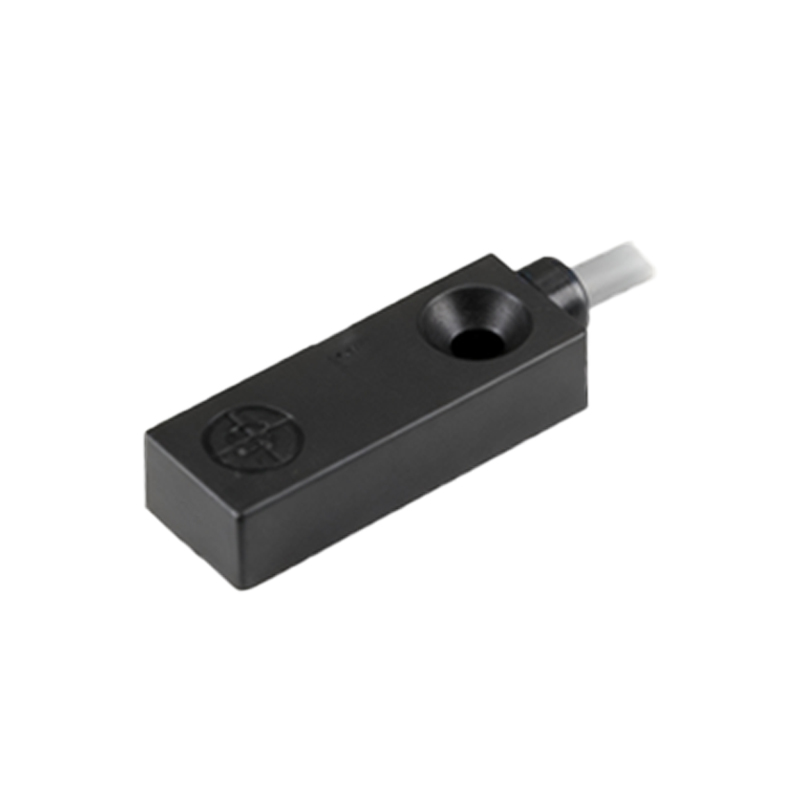
Several types of safety proximity sensors are prevalent in industry. Safety-rated inductive sensors are used for non-contact detection of metallic objects. They are commonly employed to confirm that a guard door is securely closed or that a robotic tool is in its correct parked position before a machine cycle can start. Safety light curtains and laser scanners create an invisible field or curtain of light. When this beam is interrupted by a person or object entering a dangerous area, the system immediately sends a stop signal. These are ideal for safeguarding large press brakes, robotic cells, or assembly line access points. Safety mat systems are pressure-sensitive floor mats that, when stepped on, send a signal to halt nearby machinery. They provide a flexible guarding solution for areas where physical fencing is impractical.
The selection of an appropriate safety proximity sensor is not a trivial task. It requires a thorough risk assessment of the application. Key factors to consider include the required safety performance level (as defined by standards like ISO 13849-1, specifying Performance Levels a through e), the type of detection needed (person, object, specific part), the sensing range and resolution, environmental conditions (temperature, humidity, contaminants like oil or dust), and the required response time. The sensor must be integrated into a overall safety system that includes a safety controller (like a safety PLC or relay) to process its signals correctly.
Applications for these sensors are vast and varied. In automotive manufacturing, they safeguard workers around welding robots and stamping presses. In packaging and material handling, they protect operators at the infeed and outfeed points of high-speed wrappers and palletizers. They are essential on automated guided vehicles (AGVs) to detect obstacles and people in their path, enabling safe navigation in shared spaces.
Compliance with international safety standards is non-negotiable. Sensors must carry relevant certifications such as IEC 60947-5-3, IEC 61496 (for electro-sensitive protective equipment like light curtains), and often specific regional approvals like UL or CE markings. Proper installation, commissioning, and regular functional testing are crucial to maintain the integrity of the safety function over time. It is not merely about installing a device; it is about implementing a validated and reliable safety solution.
In conclusion, safety proximity sensors are sophisticated, purpose-built components that form the sensory backbone of modern machine safety. Their intelligent design, which prioritizes failure predictability and safe-state defaults, distinguishes them from standard industrial sensors. By understanding their types, working principles, and selection criteria, engineers and safety professionals can effectively deploy these devices to create safer working environments, protect valuable assets, and ensure compliance with stringent global safety regulations, thereby fostering a culture of safety and operational excellence.