Laser point sensor modules are compact, high-precision devices that utilize laser technology to detect, measure, or identify specific points or small targets. These modules are integral components in modern automation, robotics, and quality control systems. Unlike area-scanning sensors, they focus a concentrated beam of coherent light onto a precise spot, enabling extremely accurate distance measurement, presence detection, or alignment tasks.
The core of a typical module consists of a laser diode that emits light, a lens system to collimate the beam, and a photodetector (like a Position Sensitive Device or PSD) that captures the reflected light. The time-of-flight (ToF) or triangulation principle is commonly used to calculate distance. In triangulation, the position of the reflected spot on the detector changes with the target's distance, allowing for precise calculation. This method offers high resolution, often in the micrometer range, making it suitable for applications where minute variations matter.

Key advantages of laser point sensors include their exceptional accuracy, fast response times, and ability to measure non-contactually. They are unaffected by the color or surface texture of most targets to a significant degree, providing reliable data across various materials. Their compact form factor allows for easy integration into tight spaces on production lines or within robotic arms.
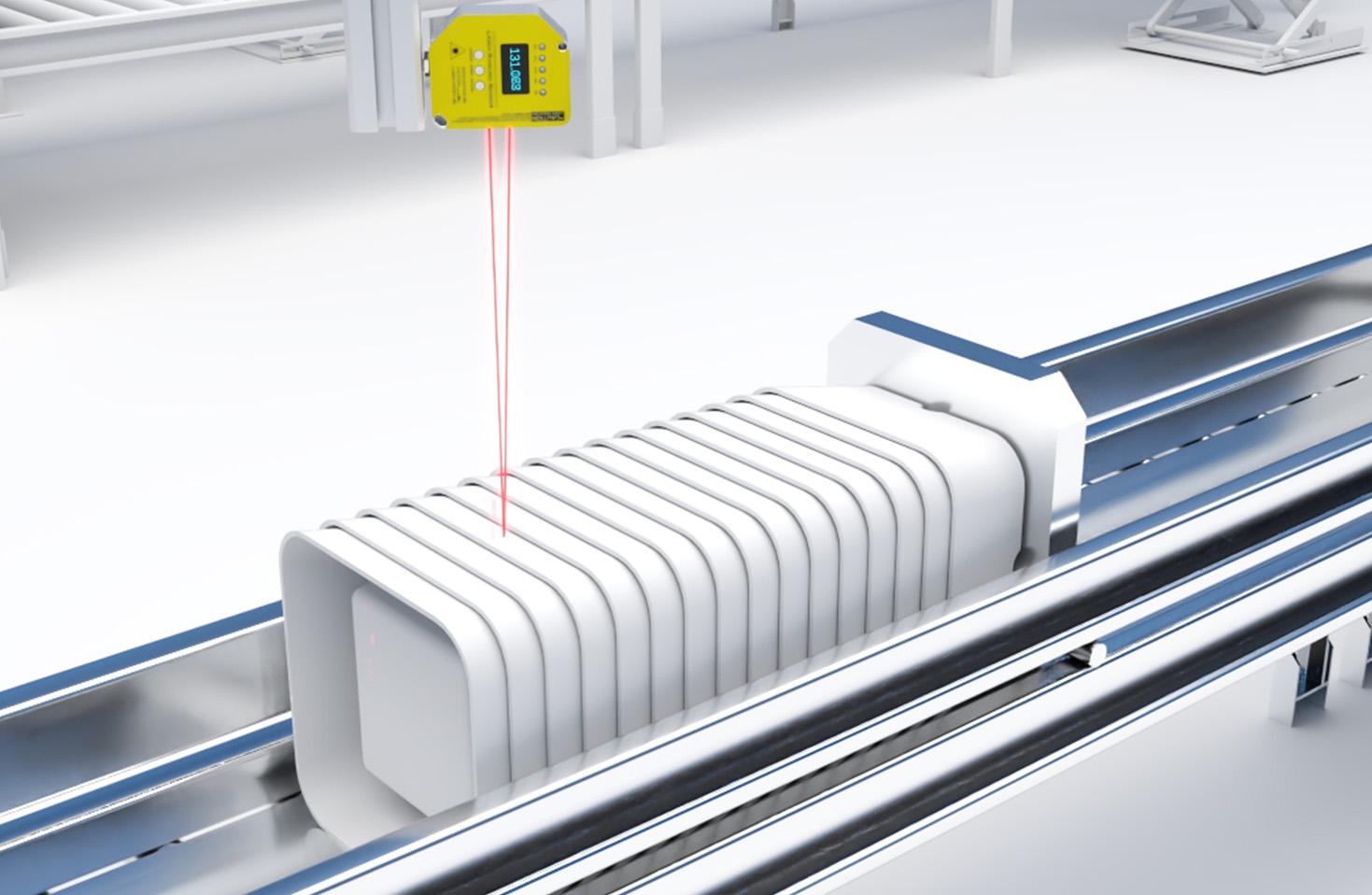
Industrial automation heavily relies on these sensors for tasks like precise part positioning, thickness measurement of materials, weld seam tracking, and detecting minute defects on surfaces. In robotics, they are crucial for navigation, obstacle avoidance, and precise manipulation. Consumer electronics also benefit from them, such as in autofocus mechanisms or gesture recognition systems.
When selecting a laser point sensor module, critical parameters to consider are measurement range, repeatability, spot size, and sampling speed. Environmental factors like ambient light, dust, or vibrations must also be accounted for, with many industrial-grade modules featuring robust housings and filters to ensure stable operation. Communication interfaces like analog voltage, digital I/O, or serial protocols (RS-232, USB) facilitate easy connection to controllers and PLCs.
Installation and calibration are straightforward but vital for optimal performance. Ensuring the sensor is mounted securely and perpendicular to the target surface, with a clear line of sight, is essential. Regular maintenance involves keeping the lens clean and verifying calibration against a known reference to maintain long-term accuracy.
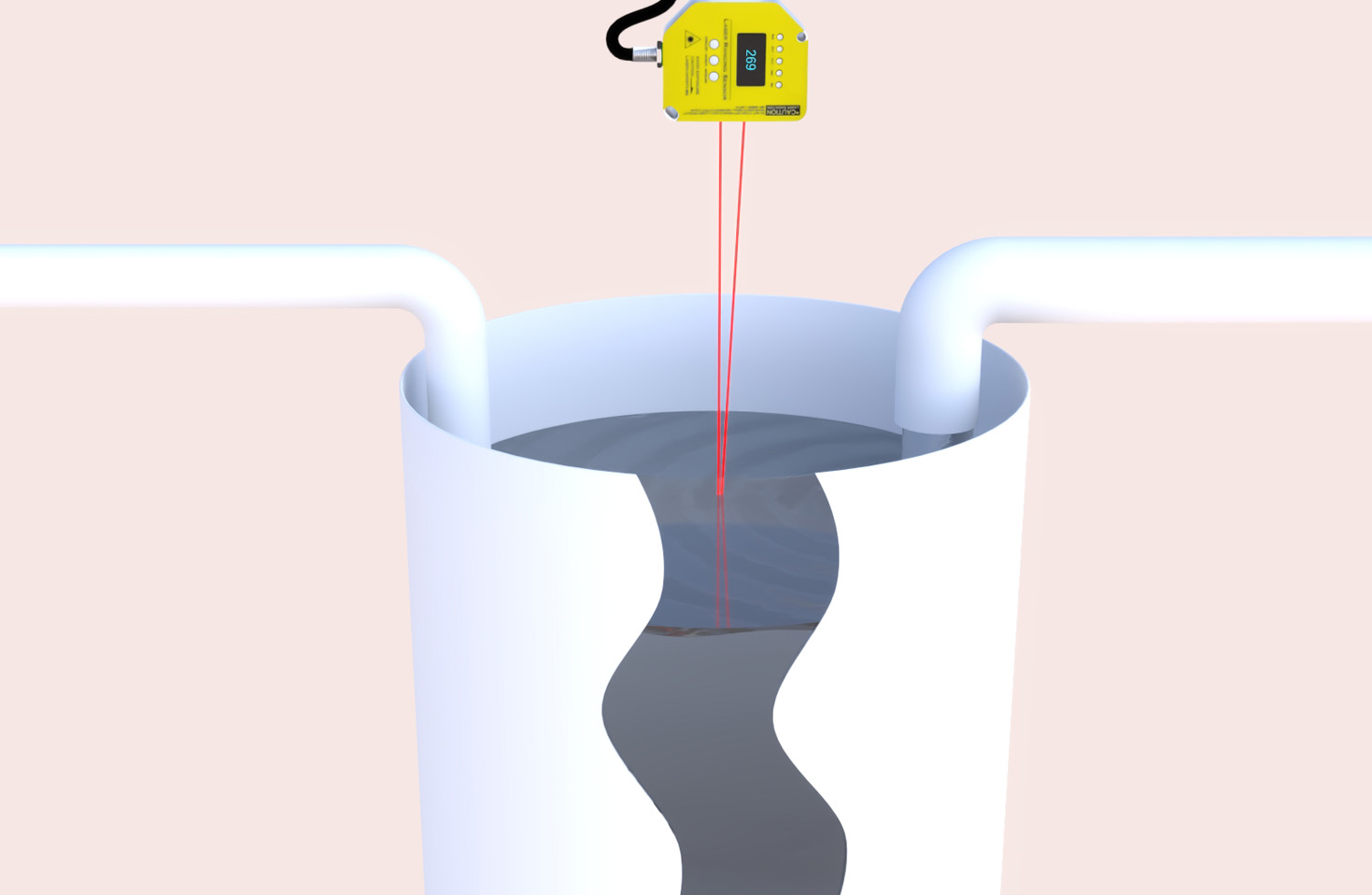
In summary, laser point sensor modules are powerful tools for precision measurement and detection. Their ability to deliver reliable, high-speed data without physical contact makes them indispensable in advancing manufacturing, robotics, and technological innovation. As demands for precision grow, these modules continue to evolve, offering even greater capabilities in smaller packages.