In the demanding environment of underground coal mining, maintaining a safe and productive atmosphere is paramount. Among the myriad of technologies deployed to achieve this, the air velocity sensor stands as a critical, yet often understated, component. These devices are not mere instruments; they are the frontline guardians of mine ventilation systems, providing the essential data needed to prevent catastrophic events and ensure operational continuity.
Ventilation is the lifeblood of any underground mine. It serves a dual purpose: supplying fresh, breathable air to personnel and equipment while diluting and removing hazardous gases, dust, and heat. The effectiveness of this system hinges on precise control of airflow. This is where air velocity sensors, also known as anemometers in mining contexts, come into play. Installed at strategic points within intake and return airways, these sensors continuously monitor the speed and, in more advanced models, the direction of air movement. The data they generate is fed into the mine's environmental monitoring system, offering real-time insights into the health of the ventilation network.
The core function of these sensors is risk mitigation. Methane (CH4) gas, a constant threat in coal seams, can accumulate rapidly in poorly ventilated areas, creating a potent explosive mixture. By ensuring airflow remains above minimum statutory thresholds—often measured in feet per second or meters per second—velocity sensors help prevent such dangerous accumulations. Similarly, adequate airflow is crucial for controlling coal dust, which poses both explosion and long-term health risks like pneumoconiosis (black lung disease). Furthermore, in deep mines, ventilation controls temperature and humidity, directly impacting worker comfort and equipment reliability. A sensor detecting a sudden drop in airflow can trigger alarms long before gas concentrations reach critical levels, allowing for preventive intervention.
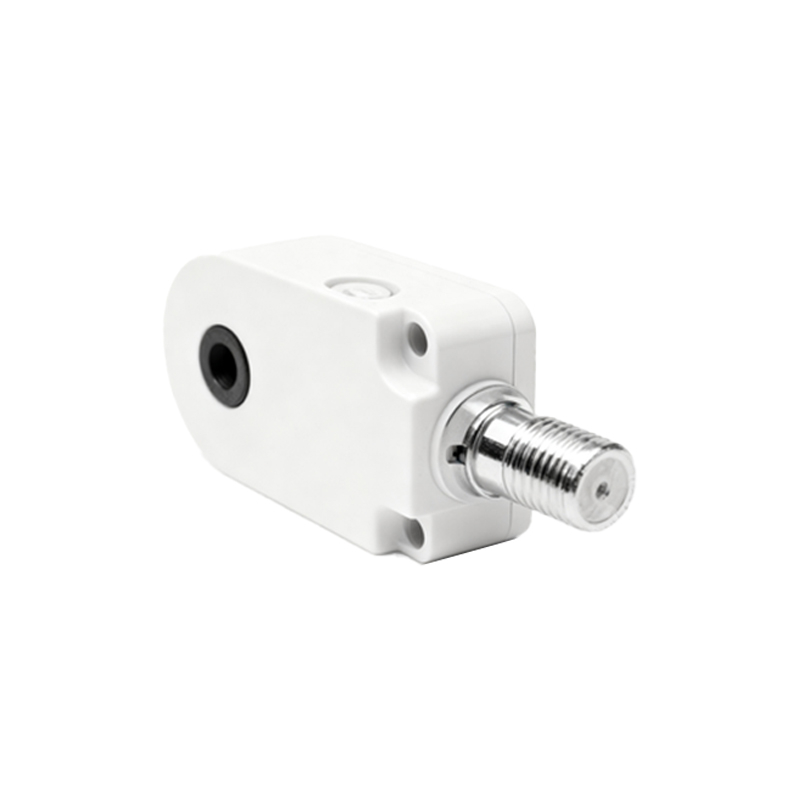
Modern coal mine air velocity sensors are engineered for extreme conditions. They are housed in robust, explosion-proof enclosures rated for hazardous locations. Durability against physical impact, moisture, and corrosive elements is non-negotiable. The sensing technology itself has evolved. While traditional mechanical vane or cup anemometers are still in use, thermal dispersion and ultrasonic sensors are becoming increasingly prevalent. Thermal sensors measure cooling effect on a heated element, offering high accuracy at low velocities. Ultrasonic sensors measure the time of flight of sound waves between transducers, unaffected by dust and providing directional data. These solid-state designs have no moving parts, reducing maintenance needs and increasing long-term reliability.
Integration is a key trend. Today's sensors are intelligent nodes within a broader IoT (Internet of Things) framework. They don't just report raw data; they communicate digitally with centralized control rooms via wired or wireless networks like leaky feeder systems or mesh networks. This allows for automated control loops where fan speeds can be adjusted dynamically based on real-time airflow and gas readings, optimizing energy consumption. Predictive maintenance algorithms can analyze sensor performance data to forecast failures before they occur, minimizing downtime.
Regulatory compliance provides the baseline for sensor deployment. Mining authorities worldwide, such as MSHA in the United States, mandate continuous monitoring of ventilation parameters. Air velocity sensors are integral to meeting these legal requirements. Their calibrated and certified data forms part of the official record, demonstrating due diligence in maintaining a safe working environment. Regular calibration and testing against certified standards are essential routines to ensure every sensor provides trustworthy measurements.
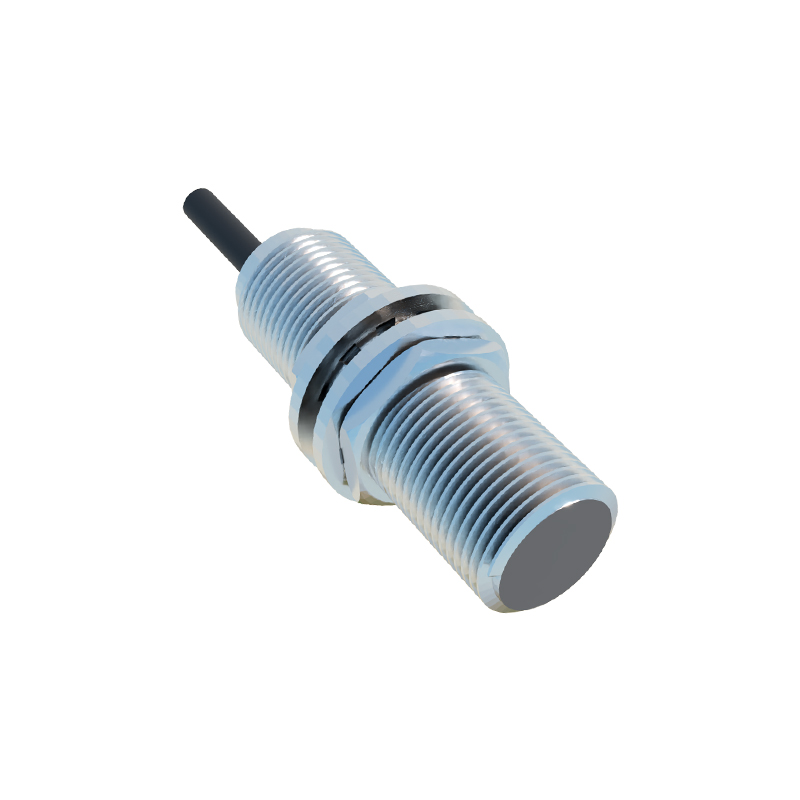
Despite their sophistication, challenges persist. Dust accumulation on sensor elements can impair accuracy, necessitating designs that are self-cleaning or easy to maintain. The sheer scale and complexity of mine layouts require a strategic, multi-point sensor deployment plan to map airflow patterns accurately. Furthermore, the data deluge from numerous sensors must be translated into actionable intelligence through advanced data visualization and analytics software, empowering mine managers to make informed decisions.
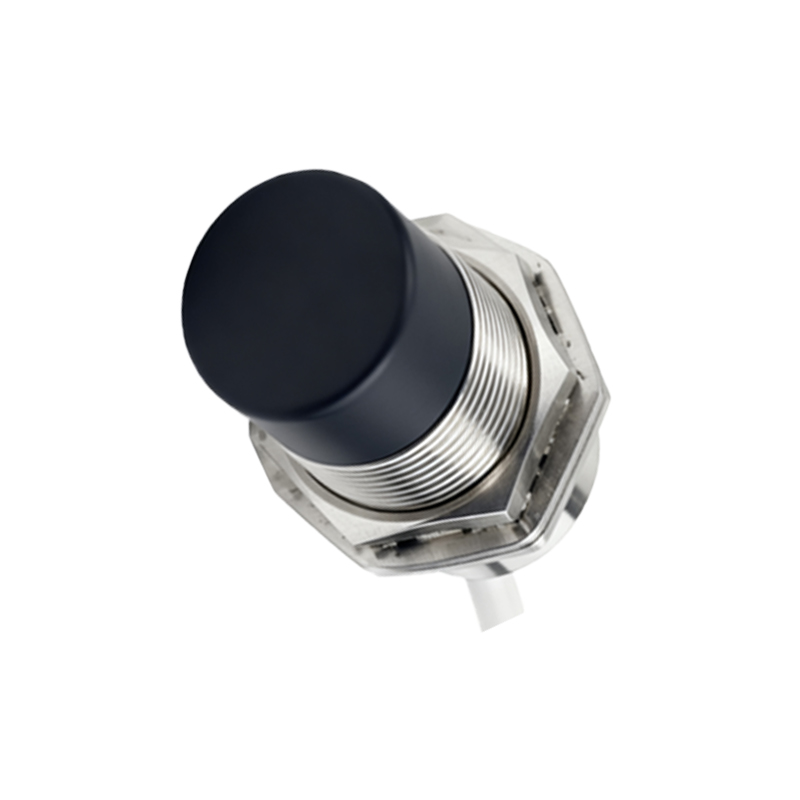
Looking ahead, the future of mine air velocity sensing lies in greater intelligence and autonomy. Research is ongoing into sensors with embedded gas detection capabilities, providing a more holistic view of the atmospheric conditions. Advances in battery technology and low-power communication will enhance wireless sensor networks. Ultimately, the goal is to move towards fully adaptive ventilation systems, where airflow is automatically and precisely tailored to real-time mining activities and hazard profiles, with air velocity sensors serving as the fundamental sensory input.
In conclusion, the coal mine air velocity sensor is a cornerstone of modern mining safety and efficiency. It transcends its basic measuring function to become a vital source of intelligence for life-supporting systems. As mining pushes into deeper and more challenging reserves, the reliability and sophistication of these sensors will only grow in importance, silently ensuring that the vital flow of air continues to protect lives and sustain operations deep beneath the earth's surface.