Introduction to Liquid Level Proximity Sensors
Liquid level proximity sensors are essential devices in various industrial and commercial applications, designed to detect the presence or absence of liquids without direct contact. These sensors operate on principles such as capacitive, inductive, ultrasonic, or optical sensing, offering reliable performance in environments where hygiene, safety, or precision is critical. Common uses include monitoring tanks, pipelines, and processing systems in sectors like manufacturing, water treatment, food and beverage, and chemical industries. The cost of these sensors can vary widely based on factors like technology type, material quality, and application-specific requirements. Understanding these variables helps in making informed purchasing decisions.
Factors Influencing Sensor Pricing
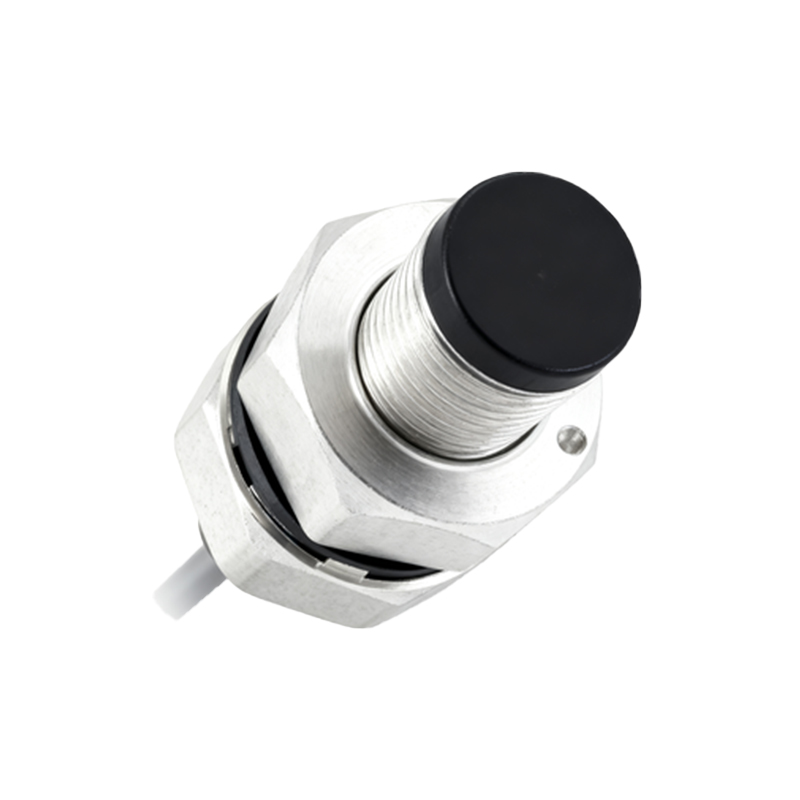
Several key elements determine the price of liquid level proximity sensors. First, the sensing technology plays a significant role: capacitive sensors, suitable for non-metallic containers, typically range from $50 to $200, while inductive sensors, ideal for metallic environments, may cost between $100 and $300. Ultrasonic sensors, offering high accuracy for complex setups, can be priced from $150 to $500 or more. Second, build materials affect durability and cost; stainless steel or specialized coatings for corrosive environments increase prices. Third, features like output signals (analog or digital), connectivity options, and certifications (e.g., IP ratings, explosion-proof standards) add to the expense. Finally, brand reputation and warranty terms influence overall value.
Price Ranges by Sensor Type
In the market, liquid level proximity sensors are available across different price tiers. Basic models, such as simple capacitive or optical sensors, start at around $30 to $80, suitable for general-purpose applications with low precision demands. Mid-range sensors, including standard inductive or ultrasonic types, often fall between $100 and $300, offering better accuracy and durability for industrial use. High-end sensors, featuring advanced technologies like radar or laser-based detection, can exceed $500, reaching up to $1,000 or more for specialized systems in harsh conditions. Bulk purchases from manufacturers may reduce per-unit costs, while retail suppliers might charge premiums for convenience.
Cost Comparison Across Industries
Industry-specific requirements significantly impact sensor pricing. In the food and beverage sector, sensors with hygienic designs and compliance with FDA standards may cost 20-30% more than standard models, averaging $200 to $400. For chemical processing, corrosion-resistant materials and explosion-proof certifications drive prices higher, often ranging from $300 to $600. In water management applications, simpler sensors for level monitoring in tanks might be budget-friendly at $50 to $150. Comparing costs across sectors highlights the importance of matching sensor specifications to operational needs to avoid overspending or underperformance.
Installation and Maintenance Expenses
Beyond the initial purchase, additional costs for installation and maintenance should be considered. Installation expenses depend on complexity: basic setups might require minimal labor, costing $50 to $100, while integrated systems in large facilities could involve professional services totaling $200 to $500. Maintenance includes periodic calibration, cleaning, and potential part replacements, which can add $20 to $100 annually per sensor. Investing in higher-quality sensors with longer lifespans may reduce long-term upkeep, balancing upfront costs with operational efficiency. Many suppliers offer service packages, influencing total ownership costs.
Tips for Budgeting and Purchasing
To optimize spending on liquid level proximity sensors, start by assessing application requirements, such as accuracy, environment, and compatibility. Research multiple suppliers, including direct manufacturers and distributors, to compare quotes; online platforms often list prices from $30 to $1,000. Consider total cost of ownership, factoring in durability and support services. For budget-conscious buyers, refurbished or generic models might offer savings, though they may lack warranties. Always review technical specifications and user feedback to ensure value. Ultimately, a balanced approach prioritizing reliability over lowest price can lead to better long-term outcomes.
Conclusion on Sensor Investment
The cost of liquid level proximity sensors is influenced by technology, materials, features, and industry demands, with prices ranging from under $50 to over $1,000. By evaluating specific needs and comparing options, businesses can find sensors that offer optimal performance without unnecessary expense. Investing in quality sensors not only ensures accurate liquid level detection but also enhances system safety and efficiency, providing a return on investment through reduced downtime and maintenance. As technology advances, prices may evolve, but careful planning remains key to cost-effective procurement.