Understanding Background Suppression Technology
Background suppression (BGS) is a sophisticated sensing principle used in photoelectric sensors to detect objects within a precise, defined sensing range while ignoring objects beyond a set background limit. Unlike standard diffuse sensors whose sensing range can be influenced by the color, texture, and reflectivity of the target, BGS sensors utilize triangulation. They house both a light emitter and a receiver positioned at a specific angle. The receiver only registers light reflected from objects within the programmed "suppression" distance. Objects beyond this point reflect light to a different spot on the receiver's lens and are effectively ignored. This technology is crucial for applications requiring high positional accuracy, such as detecting small components on a conveyor belt or ensuring a package is correctly placed within a box, irrespective of the background surface's color or material.
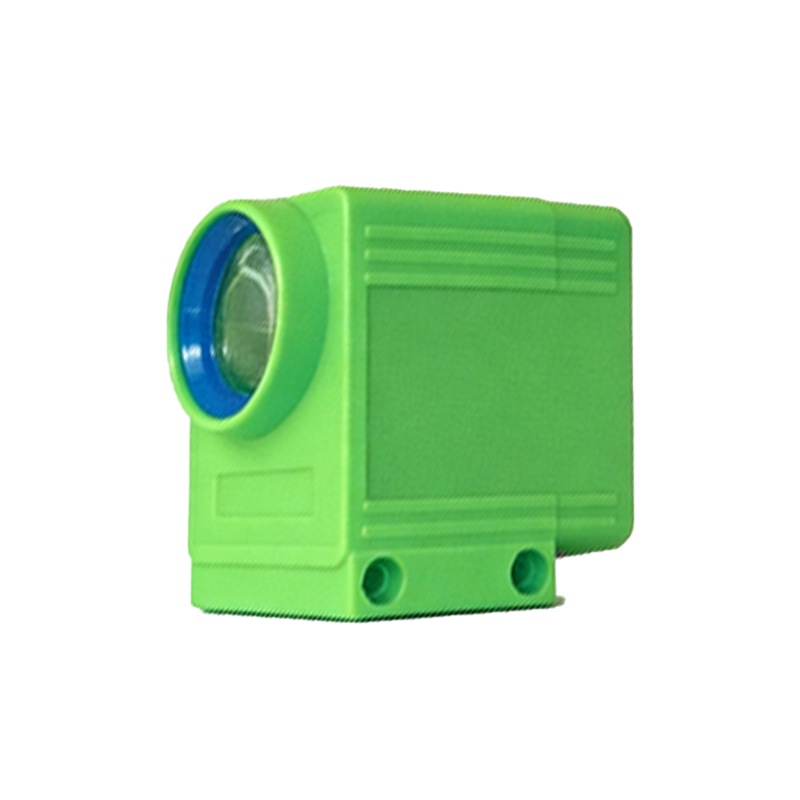
Key Selection Criteria for BGS Sensors
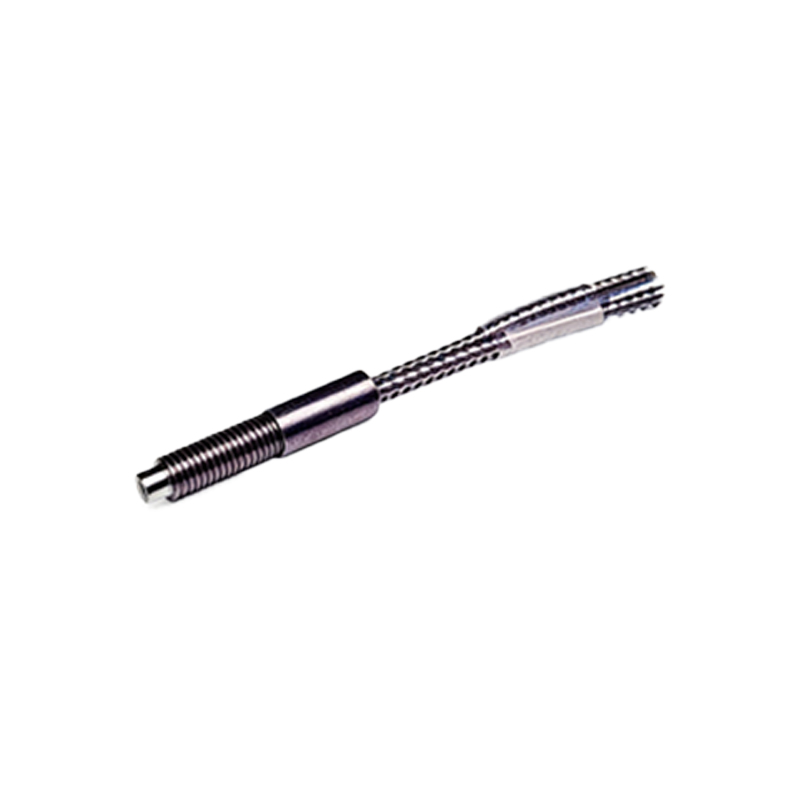
Choosing the right background suppression photoelectric sensor requires careful evaluation of several technical parameters. The primary specification is the sensing range and the adjustable background suppression point. High-quality manufacturers offer models with precise teach-in functions, allowing users to set the exact suppression distance via a button or remote input. The response time and switching frequency are critical for high-speed automation lines. Environmental robustness is another vital factor; look for sensors with high IP ratings (e.g., IP67, IP69K) for dust and water resistance, wide operating temperature ranges, and resistance to vibration. The type of light source—typically red or laser—also matters. Red light is versatile, while laser versions provide a precise, visible beam for extremely accurate detection of minute objects or edges.
Leading Manufacturers and Their Innovations
The market for industrial photoelectric sensors is led by several established manufacturers renowned for their reliability and innovation. Companies like SICK, Keyence, Omron, Banner Engineering, and Pepperl+Fuchs are at the forefront. SICK offers a wide portfolio of BGS sensors, including advanced models with IO-Link for digital parameterization and diagnostics. Keyence is known for its ultra-compact, high-precision laser sensors with exceptional background rejection capabilities. Omron provides robust sensors with dual digital displays for easy setup. Banner Engineering's offerings are praised for their durability in harsh environments, and Pepperl+Fuchs specializes in sensors for explosive atmospheres (ATEX). These manufacturers continuously innovate, integrating smart features like condition monitoring and enhanced connectivity to Industry 4.0 systems.
Typical Industrial Applications and Use Cases
Background suppression sensors solve complex detection challenges across diverse industries. In packaging and material handling, they reliably detect transparent films, blister packs, and bottles on conveyors, ignoring the metallic or dark conveyor bed. In automotive assembly, they ensure components like O-rings or clips are present in the correct groove or hole. In electronics manufacturing, they verify the precise placement of tiny surface-mount devices on PCBs. Logistics and warehousing use them for pallet profiling and box dimensioning, accurately measuring object height regardless of floor color. Their ability to ignore distant backgrounds makes them ideal for robot end-of-arm tooling, where they must detect a part in a gripper without being affected by the surrounding machinery.
Installation Tips and Best Practices
Proper installation is paramount to achieving optimal performance from a BGS sensor. Always mount the sensor securely to minimize vibration, which can affect the sensitive triangulation optics. Ensure the sensing beam is perpendicular to the target surface for the most accurate reflection. During the teach-in process for setting the suppression distance, use the actual target object under normal operating conditions. Be mindful of environmental factors: strong ambient light, dust, steam, or highly reflective surfaces in the sensing field can interfere with operation. Many modern sensors feature built-in diagnostics (like stability indicators) to assist with alignment and troubleshooting. Regular maintenance, including lens cleaning and checking mounting stability, helps ensure long-term, reliable operation.
The Future of Sensing: Smart and Integrated Solutions
The evolution of background suppression sensors is tightly linked to the growth of smart factories and Industrial IoT. Future trends point towards greater intelligence embedded directly at the sensor level. Expect wider adoption of IO-Link, which standardizes communication and allows for remote configuration, real-time health data monitoring, and predictive maintenance alerts. Sensor fusion, combining BGS with other technologies like time-of-flight or vision, will create more versatile and context-aware detection systems. Furthermore, miniaturization will continue, enabling integration into increasingly compact machinery. Manufacturers are focusing on making these advanced features more accessible, providing user-friendly software tools for setup and data analysis, thereby simplifying complex automation tasks and improving overall system efficiency.