Fundamental Operating Principle
At the core of a non-contact capacitive proximity sensor lies the principle of capacitance change. The sensor essentially forms one plate of a capacitor, with the target object acting as the other plate, and the intervening air or material serving as the dielectric. The sensor's internal oscillator generates an electrostatic field emanating from its active face. When a target object enters this detection field, it alters the dielectric constant and the effective plate area, leading to a measurable change in the circuit's capacitance. This change is detected by the sensor's evaluation circuit, which subsequently triggers a switching signal. Unlike inductive sensors that detect only metals, capacitive sensors can detect a vast array of materials, including solids, liquids, powders, and even transparent films, provided they have a dielectric constant different from air.
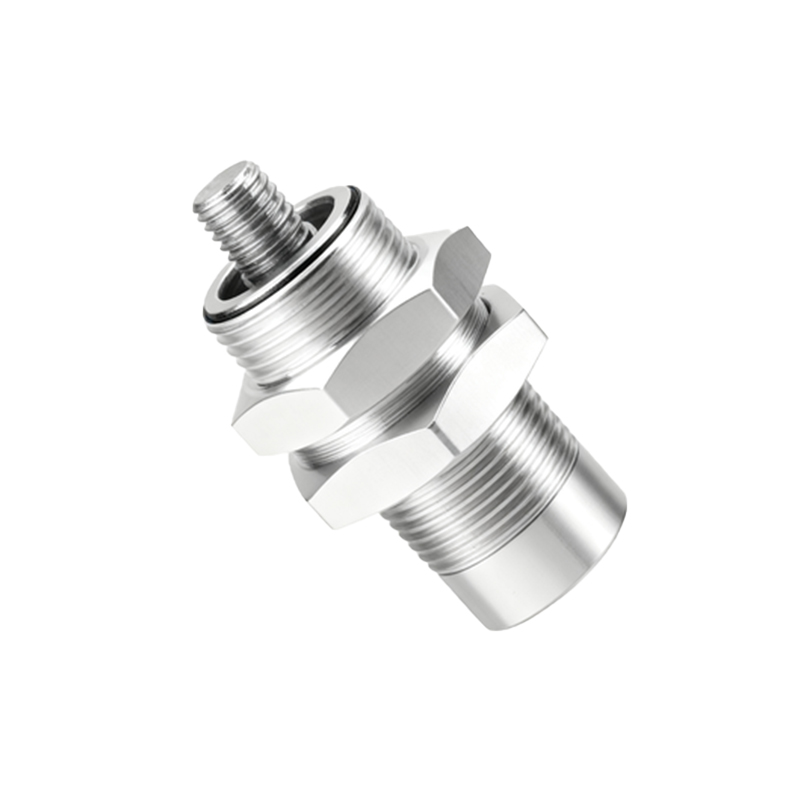
Key Components and Internal Architecture
A typical capacitive proximity sensor comprises several critical components. The sensing electrode, often integrated into the housing face, establishes the electrostatic field. A high-frequency oscillator generates the sensing signal. The signal evaluation circuit, which includes a threshold detector, is responsible for analyzing the minute capacitance shifts. Finally, a solid-state switching element (like a transistor) or a relay provides the output signal. Advanced sensors incorporate compensation electrodes or shielding to minimize the influence of unwanted environmental factors, such as moisture condensation on the face or background objects. This shielding directs the field forward, enhancing stability and repeatability in challenging conditions.
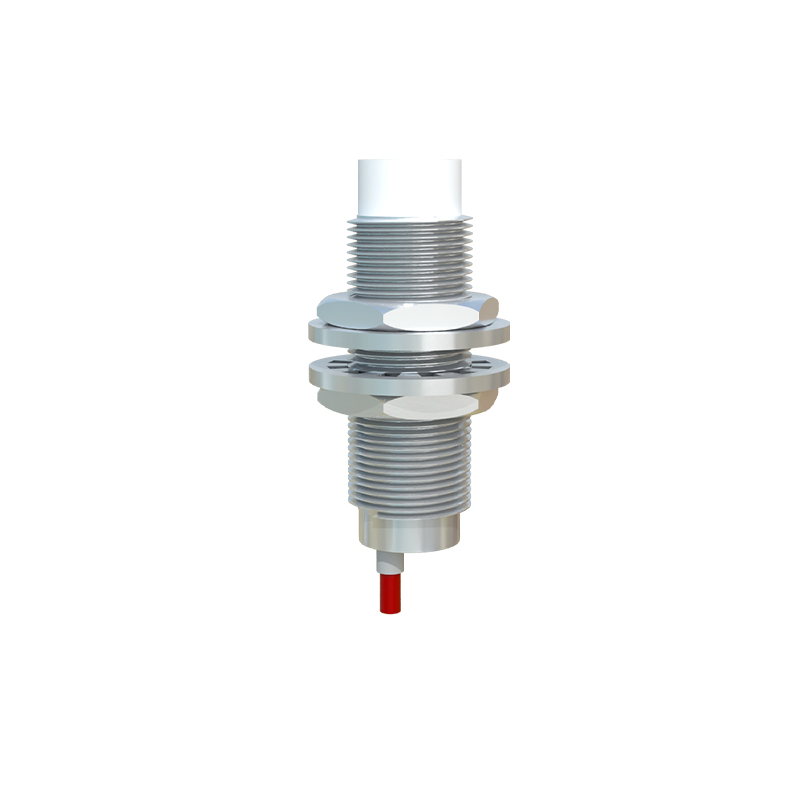
Primary Advantages Over Other Sensor Types
The most significant advantage of capacitive sensors is their material versatility. They can detect non-metallic objects that are invisible to inductive sensors, such as glass, plastic, wood, cardboard, and various liquids. This makes them indispensable in packaging, food and beverage, and chemical industries. They are also highly effective for level detection through non-metallic container walls, enabling non-invasive monitoring. Furthermore, their sensitivity is often adjustable via a potentiometer, allowing fine-tuning to ignore certain materials or to detect specific substances based on their dielectric strength. Their non-contact nature ensures no physical wear on the sensor or the target, leading to exceptional long-term reliability.
Common Industrial Applications and Use Cases
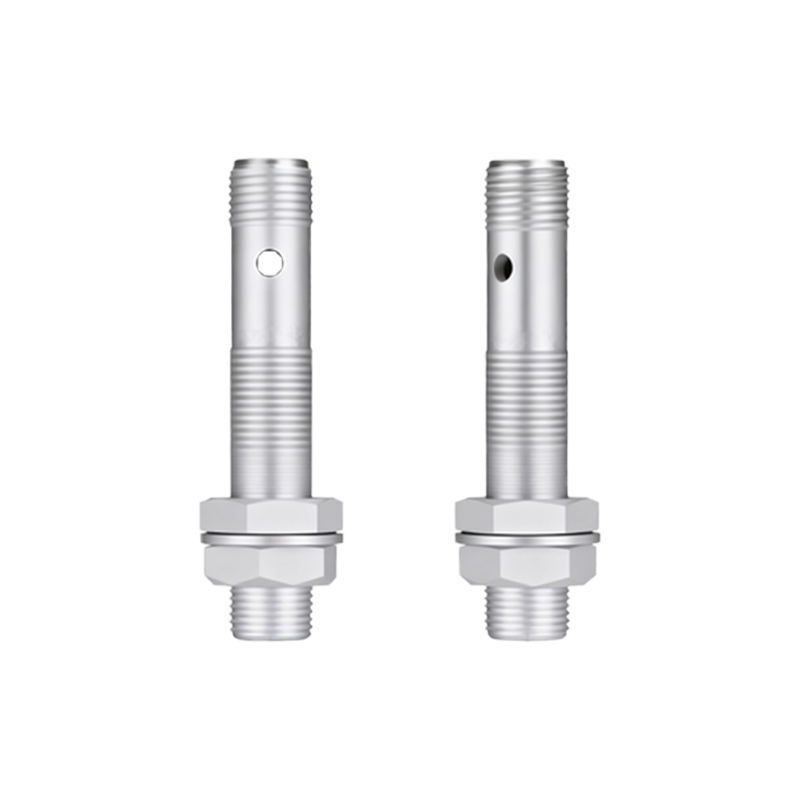
Capacitive proximity sensors find widespread use across numerous sectors. In packaging, they detect the presence of plastic bottles, glass jars, or cardboard boxes on conveyor lines. In liquid processing, they are used for level sensing in tanks, whether for water, chemicals, or food products, often mounted externally to the vessel. They monitor fill levels of powders and granules in hoppers. In the wood and paper industries, they count sheets or detect log positions. A critical application is in detecting material presence or absence, such as verifying a label is present on a product or ensuring a cap is seated on a bottle. Their ability to sense through certain barriers adds to their application flexibility.
Critical Factors for Sensor Selection
Selecting the appropriate capacitive sensor requires careful consideration of several parameters. The sensing distance, or nominal range, is specified for a standard target (usually mild steel or water) and can be influenced by the actual target material's dielectric constant. The housing material and style (cylindrical, rectangular, or ring-shaped) must suit the mechanical and environmental constraints, including IP ratings for dust and water resistance. Output type (PNP/NPN, NO/NC, analog) must match the control system's input card requirements. Operating voltage range (e.g., 10-30V DC or 20-250V AC) is another key factor. Finally, the response frequency and temperature range must be compatible with the application's speed and ambient conditions.
Installation and Calibration Best Practices
Proper installation is crucial for reliable operation. Sensors should be mounted securely to prevent vibration from affecting the sensing gap. It is vital to maintain the specified dead zone around the sensor's sensing face to prevent false triggers from the mounting bracket or background objects. For level detection, the sensor must be calibrated with the container empty and then with the material at the desired detection point, adjusting the sensitivity potentiometer until a stable signal is achieved. When detecting materials with low dielectric constants (like certain plastics), the sensor may need to be mounted closer than its rated distance. Always ensure the power supply is stable and free from electrical noise, using shielded cables in high-interference environments.
Troubleshooting Typical Operational Issues
Common issues often stem from improper setup or environmental changes. If a sensor fails to detect, first verify the power supply and wiring. Check if the target material or its position has changed, as moisture content or density can alter its dielectric properties. False triggering can be caused by material buildup on the sensor face, excessive humidity, or a conductive background object within the field. Reducing the