Introduction to Proximity Switch Sensor Knobs
Proximity switch sensor knobs are critical components in industrial automation systems, designed to enhance the functionality and usability of proximity sensors. These knobs allow for precise adjustments in sensing parameters, such as sensitivity, detection range, and response time, enabling operators to fine-tune sensor performance according to specific application requirements. Typically integrated into inductive, capacitive, or photoelectric proximity switches, the knobs provide a manual interface for calibration without the need for complex software tools. This adjustability is essential in dynamic environments where factors like material composition, object size, or environmental conditions may vary, ensuring reliable detection and minimizing false triggers. By offering a straightforward means of optimization, proximity switch sensor knobs contribute to improved efficiency and reduced downtime in manufacturing and processing operations.
Key Functions of Adjustment Knobs
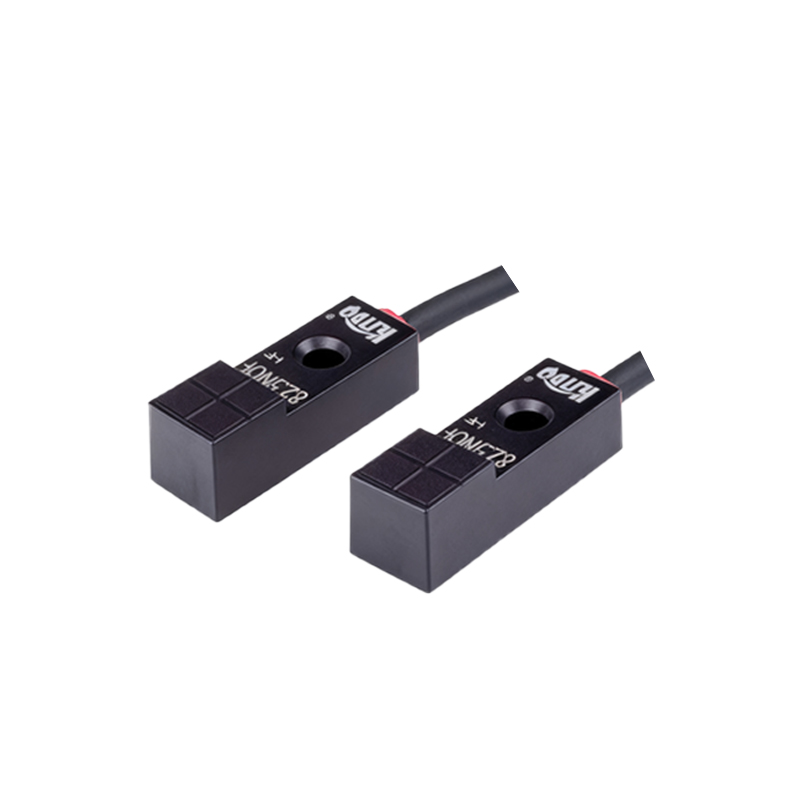
The primary role of proximity switch sensor knobs is to facilitate real-time tuning of sensor characteristics. Sensitivity adjustment is a core function, allowing users to set the threshold at which the sensor detects an object. This is particularly useful in applications involving diverse materials, such as metals with varying conductivity or non-metallic substances with different dielectric properties. Additionally, knobs can control the hysteresis setting, which determines the difference between the switch-on and switch-off points, preventing rapid toggling when an object is near the detection boundary. Some advanced knobs also enable configuration of output modes, such as switching between normally open and normally closed contacts, or adjusting delay timers for signal stabilization. These functions empower engineers to customize sensor behavior, enhancing accuracy and adaptability in complex automation setups.
Applications in Industrial Settings
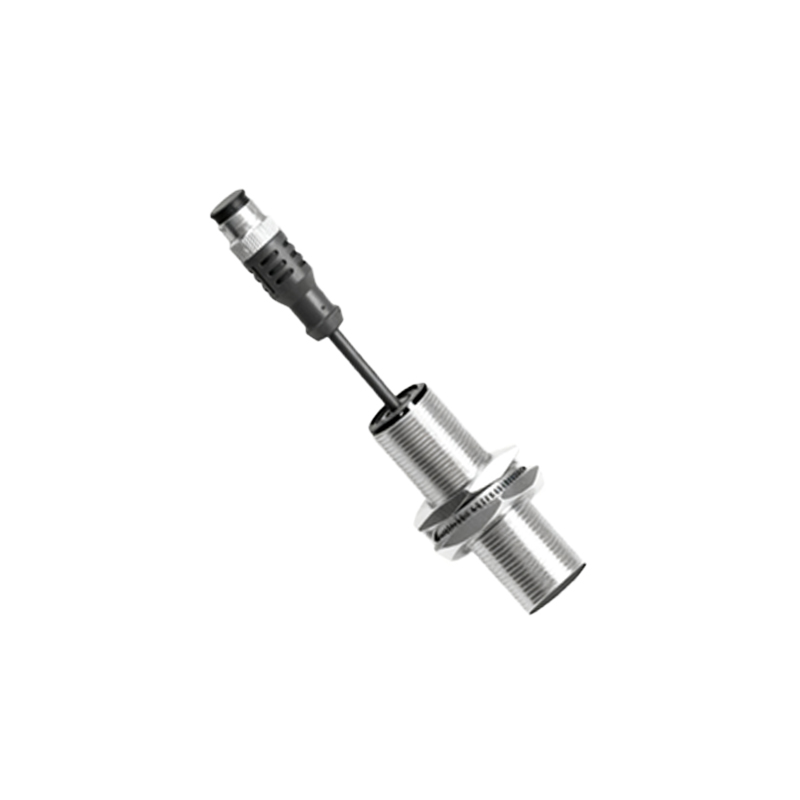
In industrial environments, proximity switch sensor knobs are employed across a wide range of applications to optimize performance. On conveyor systems, for instance, knobs adjust sensors to detect items of different sizes or materials without manual reprogramming, streamlining production lines. In robotic assembly, they fine-tune detection for precise part positioning, reducing errors and improving throughput. Machine safety systems also benefit, as knobs allow quick calibration of safety sensors to monitor guard positions or presence detection, ensuring compliance with safety standards. Moreover, in packaging and sorting equipment, adjustable knobs help sensors adapt to varying product shapes or packaging materials, maintaining high-speed operation with minimal intervention. This versatility makes proximity switch sensor knobs indispensable in industries like automotive, food processing, and pharmaceuticals, where flexibility and reliability are paramount.
Design and Operational Considerations
The design of proximity switch sensor knobs focuses on durability and user-friendliness. Constructed from robust materials like thermoplastics or metals with IP-rated housings, they withstand harsh conditions, including dust, moisture, and temperature fluctuations. Ergonomic features, such as textured surfaces or tool-less adjustment mechanisms, enable easy operation even when wearing gloves. From an operational perspective, it is crucial to follow manufacturer guidelines for calibration to avoid over-adjustment, which could lead to sensor drift or reduced lifespan. Regular maintenance, including cleaning and inspection, ensures knobs remain functional and accurate. Integrating these knobs with smart sensors that offer digital feedback can further enhance precision, allowing for remote monitoring and adjustment in Industry 4.0 applications.
Benefits for System Optimization
Utilizing proximity switch sensor knobs delivers significant advantages in system optimization. By enabling on-site adjustments, they reduce the need for sensor replacement or extensive reprogramming, lowering maintenance costs and downtime. The ability to fine-tune sensors in real-time improves detection reliability, minimizing false positives and enhancing product quality. Furthermore, knobs support scalability, as a single sensor type can be adapted for multiple tasks through simple adjustments, reducing inventory complexity. In energy-efficient systems, knobs help optimize sensor power consumption by adjusting sensitivity to match operational needs. Overall, these components foster a more responsive and adaptable automation infrastructure, contributing to higher productivity and sustainability in industrial operations.
Future Trends and Innovations
As industrial automation evolves, proximity switch sensor knobs are incorporating advanced features to meet emerging demands. Trends include the integration of digital displays or LED indicators that provide visual feedback on settings, improving accuracy during calibration. Wireless connectivity options, such as Bluetooth-enabled knobs, allow remote adjustments via mobile devices, aligning with IoT-driven smart factory concepts. Additionally, self-calibrating knobs with AI algorithms are being developed to automatically adapt to environmental changes, reducing manual intervention. These innovations aim to enhance usability and precision, supporting more autonomous and efficient systems. As industries continue to prioritize flexibility and connectivity, proximity switch sensor knobs will remain vital tools for optimizing sensor performance in an increasingly automated world.
SEO描述