Understanding Proximity Sensor Specifications
In industrial automation, proximity sensors are critical components for detecting the presence or absence of objects without physical contact. Genuine, manufacturer-approved sensors are engineered to precise specifications, including sensing range, switching frequency, output type (PNP/NPN), housing material, and electrical characteristics. These parameters are not arbitrary; they are calculated to ensure seamless integration with a specific machine's control system, voltage tolerances, and environmental conditions. A non-genuine or "compatible" sensor may appear physically identical and claim similar operational specs, but subtle variances in component quality, calibration, and manufacturing tolerances can lead to significant functional discrepancies. The core issue begins with assuming that a matching thread size and voltage rating equates to full compatibility.
The Hidden Costs of Mismatched Performance
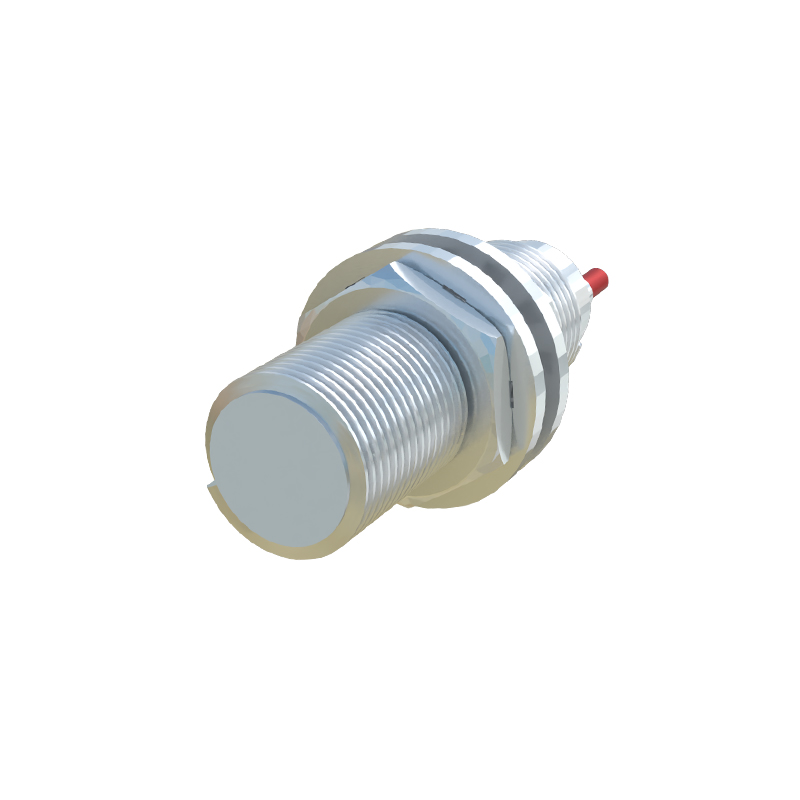
The immediate failure of a mismatched sensor is often the least concerning outcome. More insidious are the intermittent faults and performance degradation that erode productivity and increase long-term costs. A sensor with a slightly different hysteresis or temperature drift may work initially but fail under full load or in high-ambient temperatures, causing unexplained machine stoppages. Output signal rise/fall times that are too slow can confuse high-speed PLC inputs, leading to missed counts or sequencing errors. Furthermore, non-genuine sensors frequently use inferior sealing compounds and materials, resulting in premature failure in the presence of coolants, oils, or metal shavings. This leads not to a simple one-for-one replacement, but to repeated downtime, increased spare parts inventory, and costly diagnostic labor.
Electrical Compatibility and System Integrity Risks
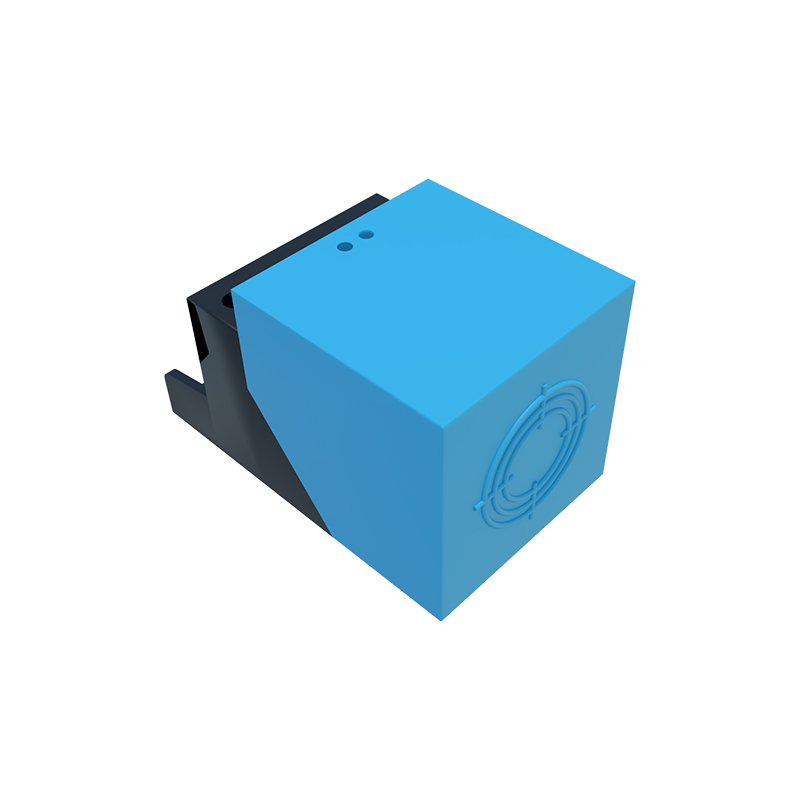
Beyond sensing performance, electrical incompatibility poses serious risks. A sensor's internal circuit design directly impacts its inrush current, leakage current, and short-circuit protection. A non-genuine unit with higher inrush current can stress or damage the originating PLC output module or power supply over time. Excessive leakage current, even when the sensor is in the "off" state, can trick a PLC input into seeing a false "on" signal, creating a hazardous situation. Genuine sensors are designed with system-level protection in mind, often including features like reverse polarity protection and surge immunity that knock-off versions may omit. Installing a sensor without these safeguards can compromise the entire control cabinet's electrical integrity.
Communication Protocols and Smart Sensor Issues
The complexity multiplies with modern IO-Link and AS-Interface smart sensors. These devices transmit detailed diagnostic and parameter data. A non-genuine smart sensor may physically connect and provide basic switching function, but its communication profile, data structure, and command set will likely be incompatible with the master controller's software. This prevents access to vital health metrics like operating temperature, signal strength, and load cycle counts, negating the primary advantage of smart sensor adoption. Attempting to force compatibility can lead to network communication errors, bringing down not just one machine function but an entire production line's data acquisition system.
Implementing a Robust Procurement and Validation Strategy
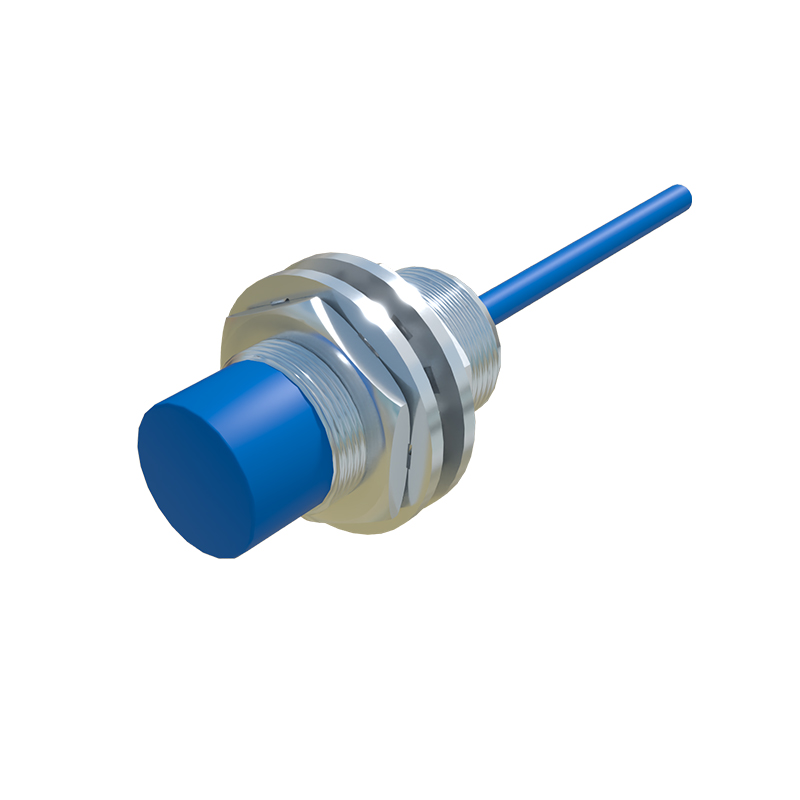
Mitigating these risks requires a disciplined, technical approach to procurement and validation. First, establish an approved vendor list (AVL) that prioritizes authorized distributors. When a non-genuine part is considered due to lead time or cost, a formal engineering review must be mandated. This review should involve direct comparison of all datasheet parameters, not just the highlighted ones. Create a test protocol to validate the candidate sensor's performance under simulated worst-case operating conditions—testing for temperature extremes, voltage fluctuations, and EMI susceptibility. Documenting these procedures and maintaining a database of validated "alternatives" for non-critical applications can provide flexibility without sacrificing reliability.
Conclusion: Prioritizing Total Cost of Ownership
The decision to use a non-genuine proximity sensor should never be based solely on unit price. Engineers and maintenance managers must evaluate the Total Cost of Ownership (TCO), which includes potential production losses from unplanned downtime, safety incident risks, and the labor cost of repeated troubleshooting and replacement. Genuine OEM sensors offer guaranteed performance, full system compatibility, and technical support. In high-availability manufacturing environments, the reliability engineered into the original component is an insurance policy for continuous operation. Specifying and insisting on genuine parts is a fundamental engineering practice that protects asset value, ensures personnel safety, and sustains production quality.