Introduction to Keyence 951 Series Photoelectric Sensors
The Keyence 951 series represents a significant advancement in photoelectric sensing technology, designed for demanding industrial environments. These sensors are renowned for their exceptional precision, reliability, and versatility. Engineered to detect a wide range of targets, from small components to opaque objects, the 951 series utilizes advanced optical systems to ensure stable detection even in challenging conditions such as background interference, target color variations, or glossy surfaces. Their robust construction and high environmental resistance make them a cornerstone in automation lines, packaging machinery, and material handling systems worldwide.
Core Technologies and Sensing Principles
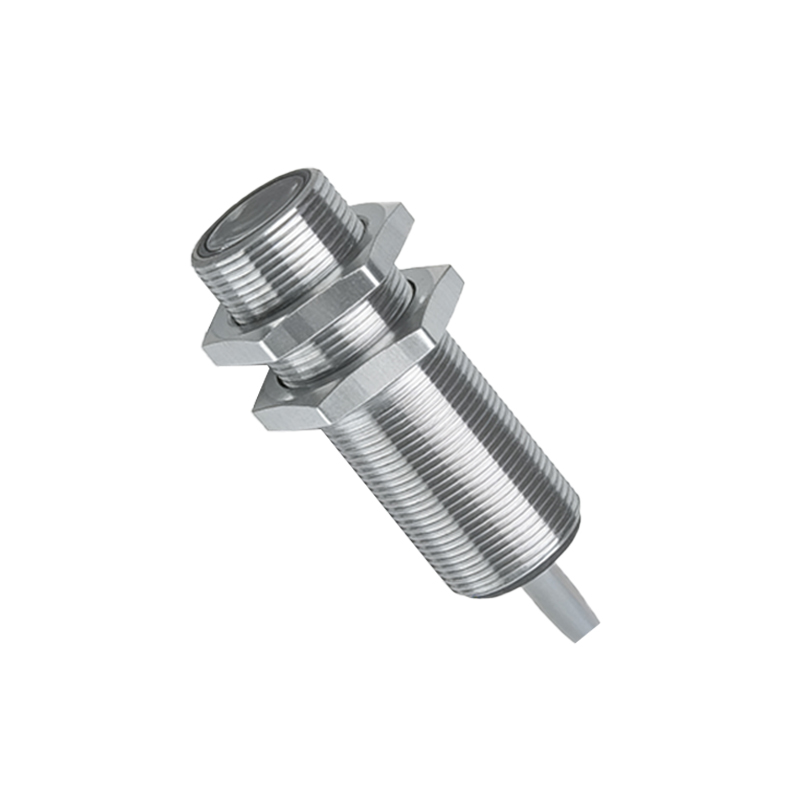
At the heart of the Keyence 951 photoelectric sensor lies sophisticated optical engineering. It primarily operates on the diffuse-reflective principle, where the sensor's built-in emitter and receiver work in tandem. The emitter projects a focused beam of light, typically from a high-performance LED. When this beam strikes a target object, light diffuses in all directions. A portion of this diffused light reflects back to the sensor's receiver. The internal circuitry then processes this signal to confirm the presence or absence of the target. Keyence enhances this basic principle with proprietary technologies like "Digital CMOS Laser Emission" and advanced algorithms that filter out ambient light noise, ensuring pinpoint accuracy and eliminating false triggers.
Superior Performance Characteristics
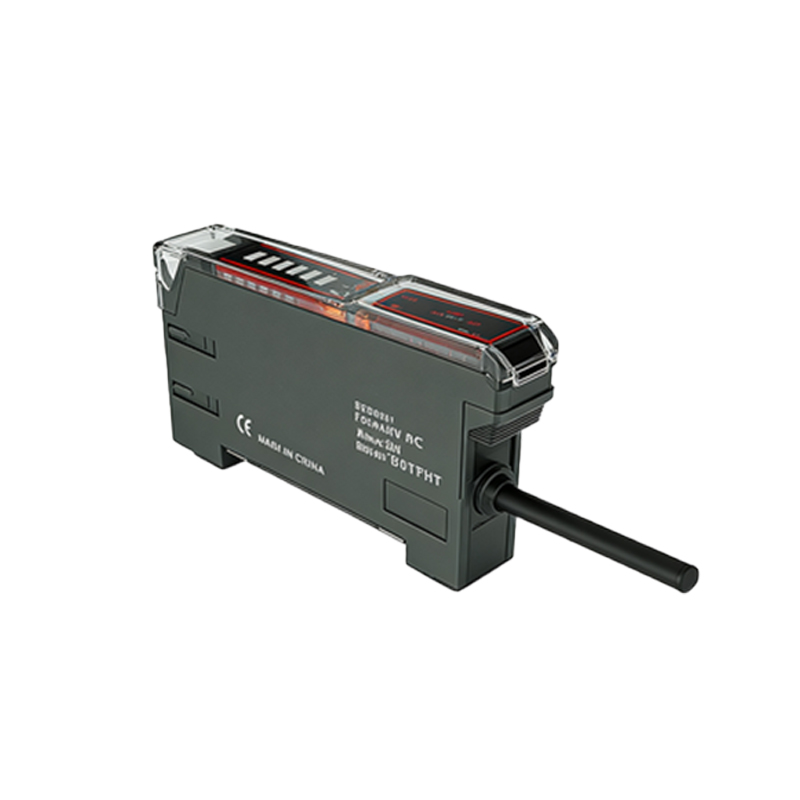
The performance metrics of the 951 series set a high benchmark. It offers an exceptionally long sensing distance for a diffuse-reflective model, capable of detecting standard targets up to several meters away. The response speed is remarkably fast, in the millisecond range, making it suitable for high-speed production lines. Furthermore, it features a highly visible red or laser spot for easy beam alignment, drastically reducing installation and maintenance time. The sensor's stability is paramount; it maintains consistent performance regardless of target color, material, or surface finish, thanks to automatic sensitivity adjustment and background suppression features.
Enhanced Durability and Environmental Resistance
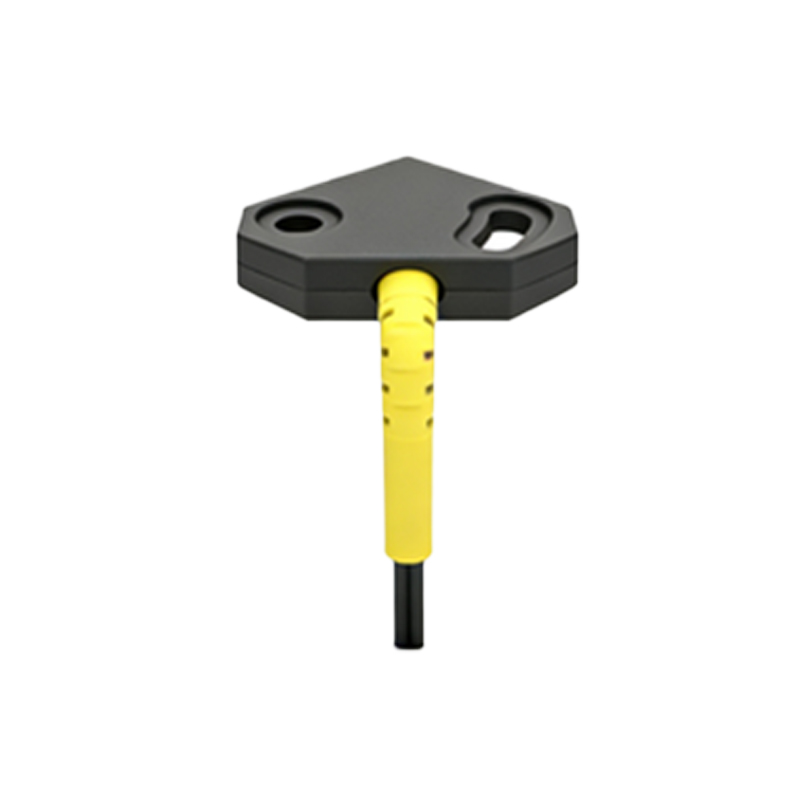
Built for industrial rigor, the Keyence 951 sensor boasts an IP67 rating (IEC standard), indicating complete protection against dust ingress and protection against the effects of temporary immersion in water. The housing is constructed from durable materials like nickel-plated brass or stainless steel, resisting corrosion, vibration, and physical impacts. This robust design ensures uninterrupted operation in environments exposed to oil, coolant, wood dust, or other particulates. The electrical components are shielded against electromagnetic interference (EMI), guaranteeing signal integrity even in electrically noisy plant floors.
Simplified Setup and Advanced Functions
Ease of use is a hallmark of the 951 series. It often incorporates a teach function, allowing users to set the detection threshold simply by pressing a button while the target is in place. Many models feature a stability indicator (often via LED color changes) that shows the sensing margin in real-time, enabling proactive maintenance. Advanced models include functions like "Window Mode" for detecting objects within a specific distance range, and "Peak Hold" for identifying the position of the strongest reflected signal, which is invaluable for detecting transparent films or uneven surfaces.
Wide-Ranging Industrial Applications
The application scope for the Keyence 951 photoelectric sensor is vast. In automotive manufacturing, it detects parts on assembly lines and verifies robot positioning. In packaging, it counts bottles, checks for label presence, and monitors fill levels. In the electronics industry, it verifies component placement on PCBs. It is also extensively used in woodworking for lumber positioning, in food and beverage for container detection, and in pharmaceutical lines for verifying package integrity. Its reliability makes it critical for error-proofing and quality control processes across sectors.
Selection Guidelines and Integration Tips
Selecting the correct 951 model requires analyzing several factors: the required sensing distance, the size and material of the target, the required response time, and the environmental conditions. For small or low-contrast targets, a model with a focused beam is ideal. For applications with background interference, a model with strong background suppression is necessary. During installation, ensure the sensor is securely mounted and the beam is perpendicular to the target surface for optimal reflection. Always verify the stability indicator after installation and periodically as part of routine maintenance to ensure long-term, trouble-free operation.