Introduction to Photoelectric Sensor Reflectors
Photoelectric sensors are ubiquitous in industrial automation, providing non-contact detection of objects. A critical component in many sensing setups, especially for retro-reflective sensors, is the reflector or target. This article delves into the world of photoelectric sensor reflectors, exploring their types, operating principles, and key considerations for optimal selection and application. The reflector's primary function is to efficiently return the emitted light beam back to the sensor's receiver, enabling reliable detection when an object interrupts this path.
Core Operating Principle
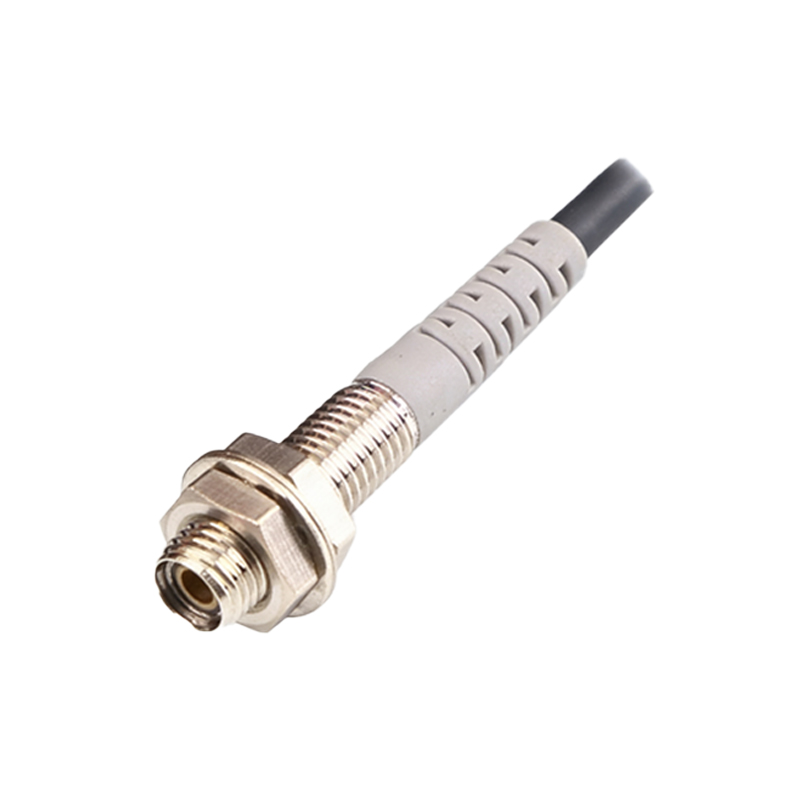
The fundamental operation hinges on the principle of retro-reflection. A retro-reflective sensor emits a modulated light beam (typically infrared, red, or laser) towards a specially designed reflector. This reflector is engineered to return the light directly to its source, regardless of the angle of incidence within a specified range. The sensor's receiver detects this returned signal. When an object passes between the sensor and the reflector, it interrupts the beam, causing the received signal to drop and triggering the sensor's output. This setup allows for longer sensing distances compared to diffuse models and simplifies installation by requiring wiring only on the sensor side.
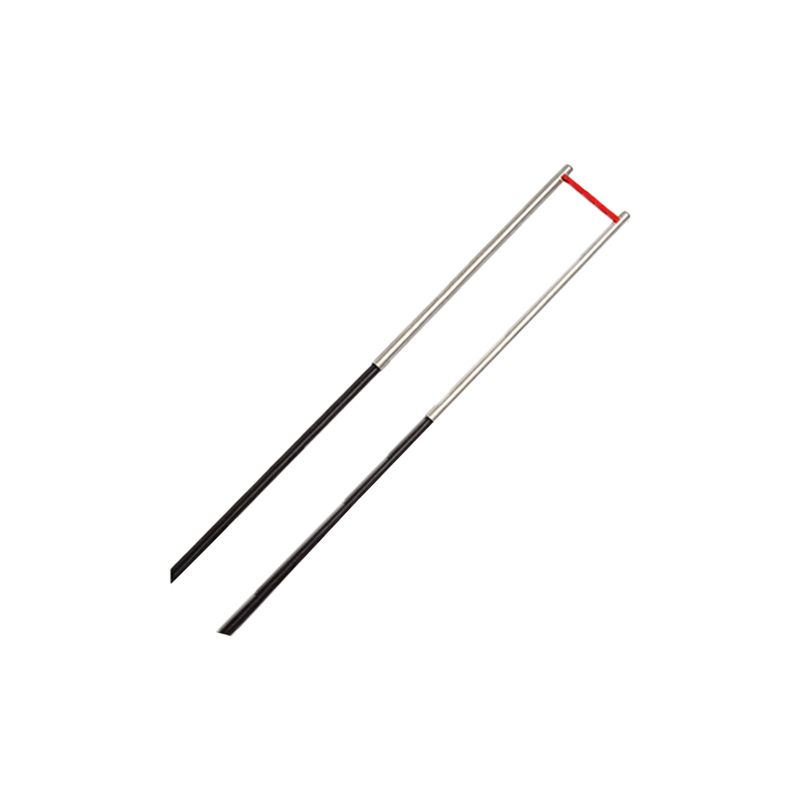
Common Types of Reflectors
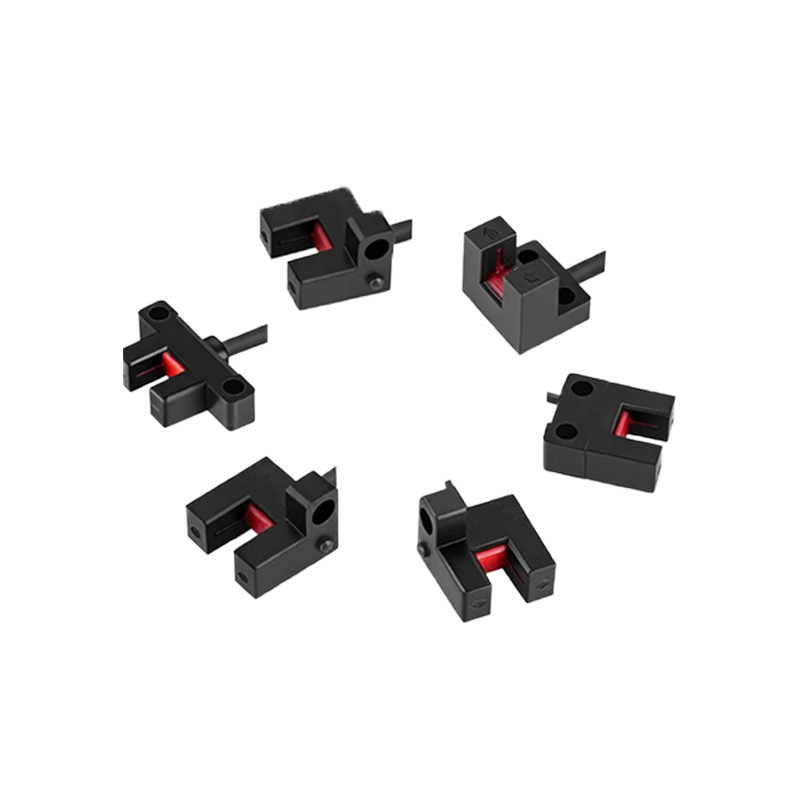
Several reflector types cater to different environmental and application needs. The standard retro-reflective plate, composed of numerous tiny corner cube prisms, is the most common. It offers high reflectivity and a wide effective angle. For applications requiring detection of transparent objects like glass or plastic films, a polarized retro-reflective reflector is used. It works in conjunction with a sensor equipped with a polarizing filter; the reflector rotates the light's polarization, allowing the sensor to distinguish the true reflected signal from specular reflections off shiny objects, preventing false triggers.
Specialized Reflector Variants
Beyond the standard types, specialized reflectors address niche challenges. Tape-style reflectors provide a flexible, adhesive-backed solution for curved surfaces or as long detection strips. High-temperature reflectors are constructed from materials like stainless steel with special prismatic surfaces, capable of withstanding harsh thermal environments. For applications in washdown or outdoor settings, ruggedized reflectors with enhanced sealing (IP69K) resist water, chemicals, and physical impact. Understanding the specific environmental stressors is crucial when selecting among these variants.
Key Selection Criteria
Selecting the appropriate reflector involves evaluating multiple parameters. The effective reflection area and pattern determine the allowable misalignment between the sensor and reflector. A larger area or specific pattern (like a striped design for conveyor gap detection) provides greater alignment tolerance. The operating distance must be matched to the sensor's specified range for that reflector type. Material compatibility is vital; the reflector must withstand ambient temperature extremes, UV exposure, chemicals, and potential physical abrasion. Finally, the mounting method—bracket, adhesive, or bolts—should suit the mechanical installation requirements.
Installation and Alignment Best Practices
Proper installation is paramount for reliable operation. Ensure the reflector is mounted on a stable, vibration-free surface. Precise alignment is critical; initially, coarse alignment can be done visually, but fine-tuning should utilize the sensor's alignment indicator (often an LED signal). The reflector surface must be kept clean and free of obstructions. Avoid mounting near highly reflective backgrounds, as they can cause stray reflections. For long-range applications, consider the beam divergence and ensure the reflector is sized to capture the entire beam at the maximum operating distance.
Troubleshooting Common Issues
Several common issues can degrade performance. A gradual decrease in sensing distance or unstable output often points to a dirty or damaged reflector surface, requiring cleaning or replacement. False triggering may indicate interference from ambient light (solved by using a modulated light source) or specular reflections from shiny objects (requiring a polarized filter setup). Complete failure to detect typically stems from severe misalignment, an obstructed beam, or a failed sensor component. Systematic checks of alignment, cleanliness, and sensor health are the first steps in diagnostics.
Advanced Applications and Future Trends
Reflector technology continues to evolve alongside sensors. In advanced logistics, patterned reflectors enable precise position encoding on automated guided vehicles (AGVs). The integration of micro-prismatic films allows for ultra-thin, flexible reflector solutions. Future trends may include "smart" reflectors with embedded identification codes, allowing a single sensor to identify multiple reflector types or locations, enhancing system configurability and data richness in Industry 4.0 and IoT-enabled environments.