Introduction to Magnetic Proximity Sensors
Magnetic proximity sensors are essential components in industrial automation, automotive systems, and safety applications. These non-contact devices detect the presence or absence of a magnetic field, typically from a permanent magnet or an electromagnet. They operate reliably in harsh environments with dust, oil, or moisture, making them preferable to optical or mechanical switches in many scenarios. The core principle involves a reed switch or a Hall-effect sensor that changes state when a magnetic field of sufficient strength is applied. This simple yet robust functionality underpins their widespread use in position sensing, limit switching, and speed detection across various sectors. Understanding their basic operation is the first step in evaluating their cost, as the technology type significantly influences the price point.
Key Factors Influencing Sensor Pricing
The price of a magnetic proximity sensor is not a fixed number but a range determined by several technical and commercial factors. Firstly, the sensing technology plays a crucial role. Basic reed switch sensors are generally the most affordable, often starting at a few dollars per unit. Hall-effect sensors, which offer higher precision and faster response times, command a higher price. Secondly, performance specifications such as sensing distance, switching frequency, temperature range, and protection ratings (e.g., IP67, IP69K) directly impact cost. A sensor designed for a 15mm range in a -40°C to 85°C environment will cost more than a standard 5mm range model. Thirdly, the housing material and design—whether it's plastic, brass, or stainless steel—affect both durability and price. Additional features like analog outputs, programmable parameters, or IO-Link communication can substantially increase the unit cost. Finally, the brand reputation and certification requirements (e.g., ATEX for hazardous areas) add layers of expense.
Price Ranges Across Different Types and Brands

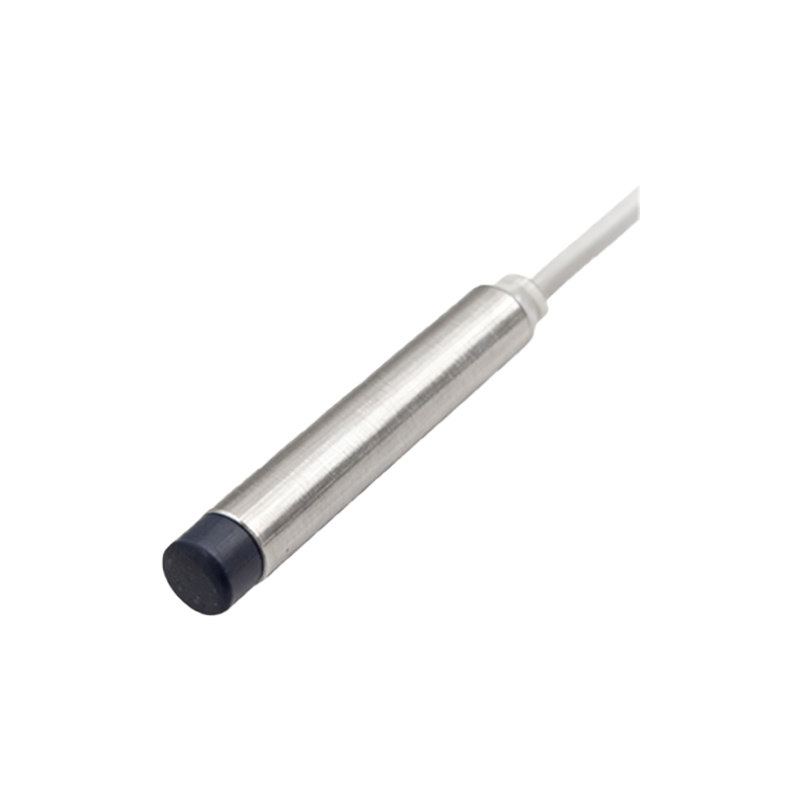
In the current market, magnetic proximity sensor prices vary widely. For standard, unshielded cylindrical sensors with a reed switch and a basic PNP or NPN output, prices can range from approximately $10 to $30 per unit for common industrial brands like Omron, Sick, or Pepperl+Fuchs. Hall-effect-based sensors typically start around $20 and can exceed $100 for high-performance or specialized models. Miniature sensors for compact spaces often carry a premium. Economical options from generic or regional manufacturers may be available for as low as $5 to $15, but these may compromise on consistency, longevity, or technical support. For high-volume OEM applications, significant discounts are negotiable, potentially reducing the per-unit cost by 30% to 50%. It is critical to note that list prices are often just a starting point for negotiation, especially for bulk purchases.
The Impact of Order Quantity and Supply Chain
Quantity is a dominant factor in the final price paid. Purchasing a single sensor from a distributor will incur the highest unit cost, which includes distributor markup. For prototype or small-scale projects, this is often the only feasible route. However, for production runs, direct purchasing from the manufacturer or authorized distributors in lots of hundreds or thousands dramatically lowers the price. The global supply chain also exerts a strong influence. Factors like raw material costs (e.g., rare-earth magnets, semiconductors), regional manufacturing tariffs, and logistical challenges can cause price volatility. In recent years, disruptions have highlighted the cost difference between readily available standard models and those with long lead times, sometimes pushing buyers toward more expensive but immediately available alternatives.
Cost Considerations Beyond the Initial Purchase
A comprehensive cost analysis for magnetic proximity sensors extends beyond the initial purchase price (CAPEX). Total cost of ownership (TCO) includes installation, wiring, maintenance, and potential downtime. A slightly more expensive sensor with a higher MTBF (Mean Time Between Failures) and easier installation features can be far more economical over a 5-year period. Compatibility with existing control systems (PLC, DCS) is another hidden cost factor; a non-standard output may require additional interface modules. Furthermore, consider the cost of accessories, such as mounting brackets, connector cables, and target magnets, which are sometimes sold separately. Investing in sensors from reputable brands usually ensures better documentation, accessible technical support, and reliable warranty service, reducing long-term operational risks and expenses.
Where to Buy and How to Get Quotes
Procurement channels significantly affect both price and service. Major industrial automation distributors (e.g., Allied Electronics, RS Components, Digi-Key) offer vast catalogs with transparent online pricing, suitable for small quantities. For larger projects, contacting the sensor manufacturers directly or their regional sales offices is advisable to obtain tailored volume quotes. Online marketplaces like Amazon