Introduction to the EV-108M Proximity Sensor
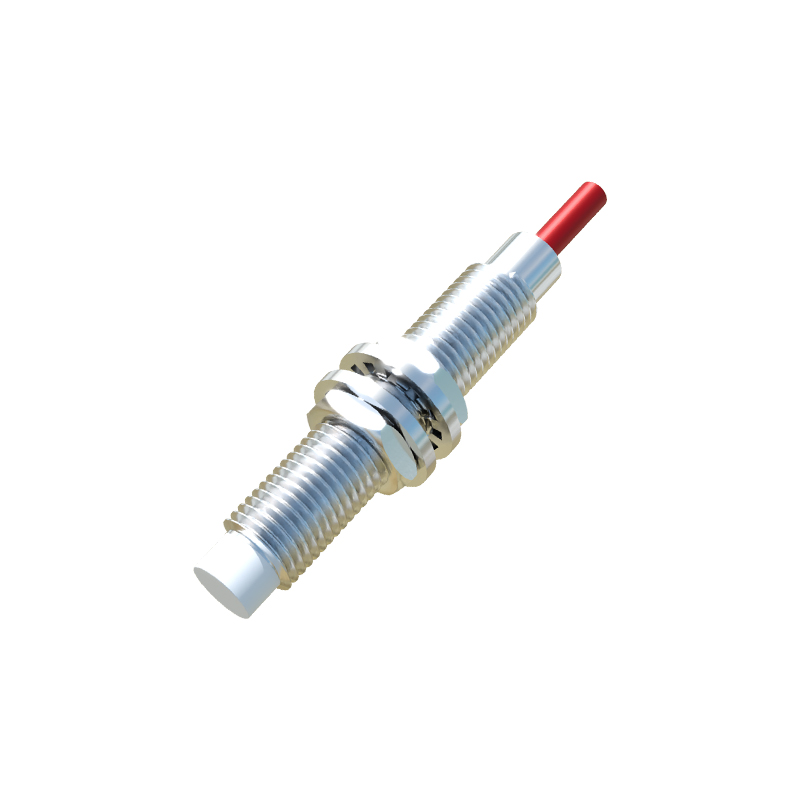
The EV-108M is a high-performance inductive proximity sensor designed for robust industrial automation and control applications. Engineered with precision, this sensor reliably detects the presence or absence of metallic objects without physical contact, ensuring longevity and minimal maintenance in demanding environments. Its compact cylindrical housing, typically in an M18 form factor, allows for easy integration into machinery and production lines. The core functionality hinges on generating an electromagnetic field; when a metallic target enters this field, it induces eddy currents that are detected by the sensor's oscillation circuit, triggering a solid-state output signal. This fundamental principle makes the EV-108M a cornerstone for tasks like position verification, counting, and end-of-travel detection in various industries.
Key Technical Specifications and Performance
Delving into its specifications reveals the EV-108M's capability. It commonly operates on a DC supply voltage range of 10-30V DC, with a standard sensing distance (Sn) of 8mm for mild steel. The sensor features a choice between Normally Open (NO) or Normally Closed (NC) output configurations, typically in a 3-wire design (brown for +V, blue for 0V, black for output). Its output is often a PNP (sourcing) transistor, capable of switching loads up to 200mA. Key performance metrics include a high switching frequency, often up to 1kHz, allowing for detection of rapidly moving objects. It boasts excellent environmental resistance, with an IP67 or higher ingress protection rating, making it resistant to dust and temporary immersion, and can operate reliably across a wide temperature range, typically from -25°C to +70°C.
Installation and Wiring Considerations
Proper installation is critical for optimal performance. The EV-108M should be mounted securely, ensuring the sensing face is parallel to the target and maintaining the specified nominal sensing distance, accounting for reduction factors for different metals (e.g., stainless steel, aluminum). It is crucial to avoid mounting multiple sensors in close proximity to prevent mutual interference; maintaining a minimum distance between sensors, as specified in the datasheet, is essential. Wiring must follow the manufacturer's guidelines: connect the brown wire to the positive DC supply, the blue wire to the common negative (0V), and the black output wire to the load (e.g., a PLC input module). Always ensure power is disconnected during installation and use appropriate conduit or cable glands for strain relief and environmental sealing.
Typical Industrial Application Scenarios
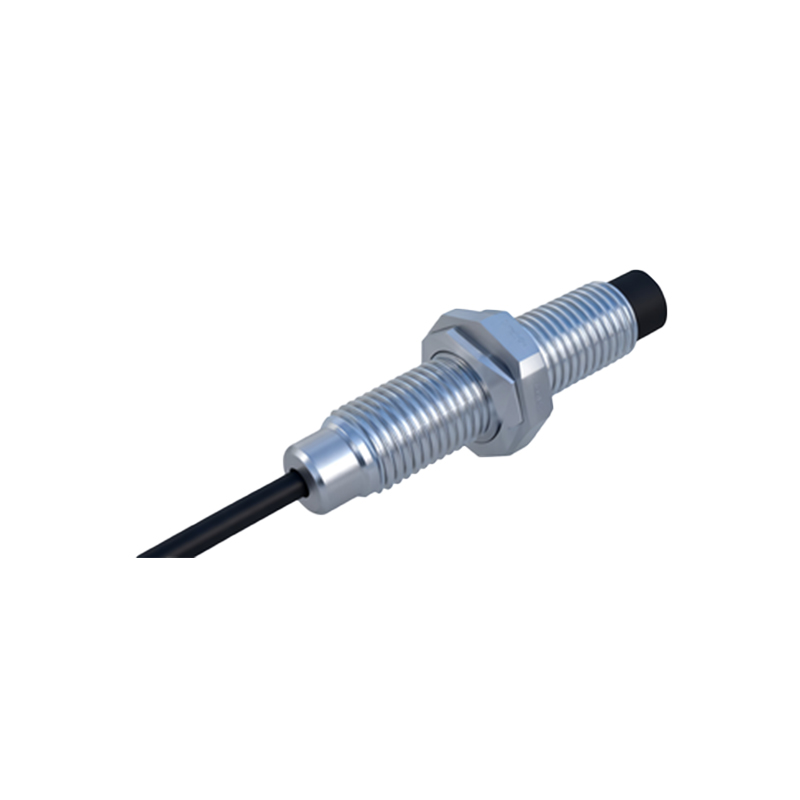
The EV-108M finds extensive use across automation sectors. In automotive manufacturing, it detects piston positions in pneumatic cylinders or verifies the presence of metal components on assembly pallets. Within packaging machinery, it counts metal lids or monitors the position of a filling arm. On conveyor systems, it acts as a jam detection sensor by monitoring the passage of metallic parts at critical points. In metalworking and CNC machinery, it serves as a tool breakage detector or a workpiece positioning sensor. Its robustness also makes it suitable for harsh environments like material handling and wood processing, where it can detect metal fasteners or machine parts despite the presence of non-metallic debris.
Advantages Over Mechanical Limit Switches
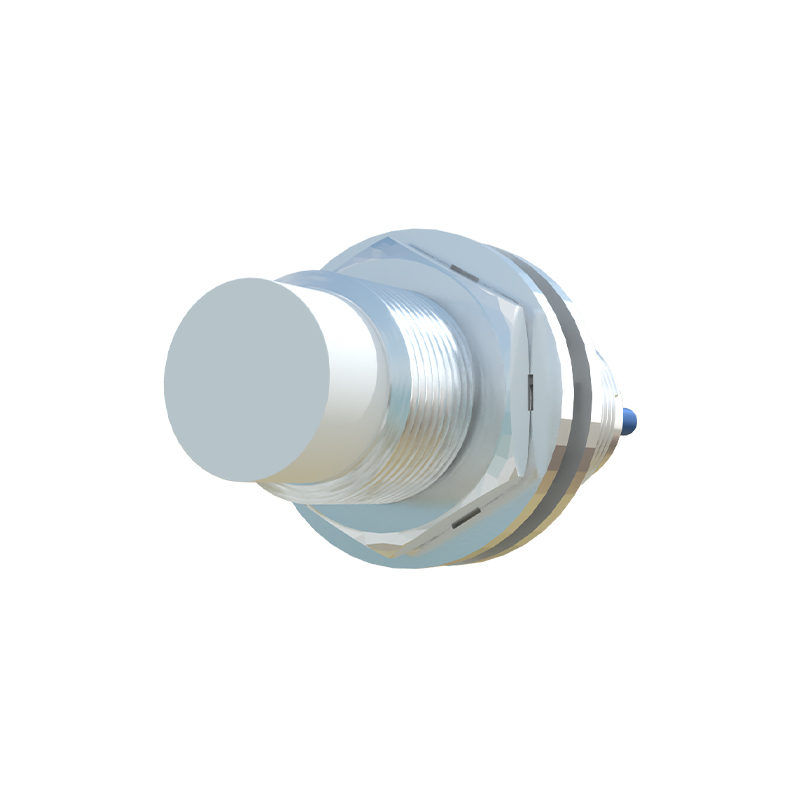
Compared to traditional mechanical limit switches, the EV-108M offers significant advantages. Its non-contact sensing eliminates physical wear and tear, leading to a dramatically longer operational life and reduced downtime for replacement. It provides faster response times, enabling higher machine cycle speeds. The solid-state design is immune to contact bounce, ensuring clean, reliable signal transitions for digital controllers. Furthermore, its sealed housing offers superior resistance to contaminants like oil, coolant, and dust, which often compromise mechanical switches. This reliability translates into improved process consistency, higher quality control, and lower long-term maintenance costs for industrial facilities.
Troubleshooting and Maintenance Guidelines
Despite its reliability, occasional issues may arise. Common problems include failure to detect a target, which could be caused by an incorrect power supply, a target outside the sensing range, or the use of an unsuitable non-ferrous metal. Constant output activation might indicate sensor damage or metallic debris lodged near the sensing face. Basic troubleshooting involves verifying the power supply voltage, checking wiring connections, and ensuring the target material and size meet specifications. Maintenance is generally minimal; regularly cleaning the sensing face of accumulated dirt or metal chips is recommended. Periodically checking the physical mounting for looseness due to vibration can prevent misalignment and ensure continuous reliable operation.
Conclusion and Selection Criteria
The EV-108M proximity sensor represents a reliable and efficient solution for industrial object detection. When selecting a sensor for a specific