Understanding the Need for Protective Covers
In industrial automation and machinery, proximity sensors are critical components for non-contact detection. However, their operational environments are often harsh, exposing them to physical impacts, metal chips, coolants, and chemical splashes. A protective cover, sometimes called a boot or guard, is not merely an accessory but an essential safeguard. It extends the sensor's operational lifespan by shielding its sensitive sensing face and housing from direct damage. Without proper protection, even a high-quality sensor can suffer from false triggers, reduced sensing range, or complete failure, leading to costly downtime and maintenance. The primary function of these covers is to create a barrier against environmental hazards while minimally interfering with the sensor's electromagnetic or capacitive field.
Common Types and Their Visual Characteristics
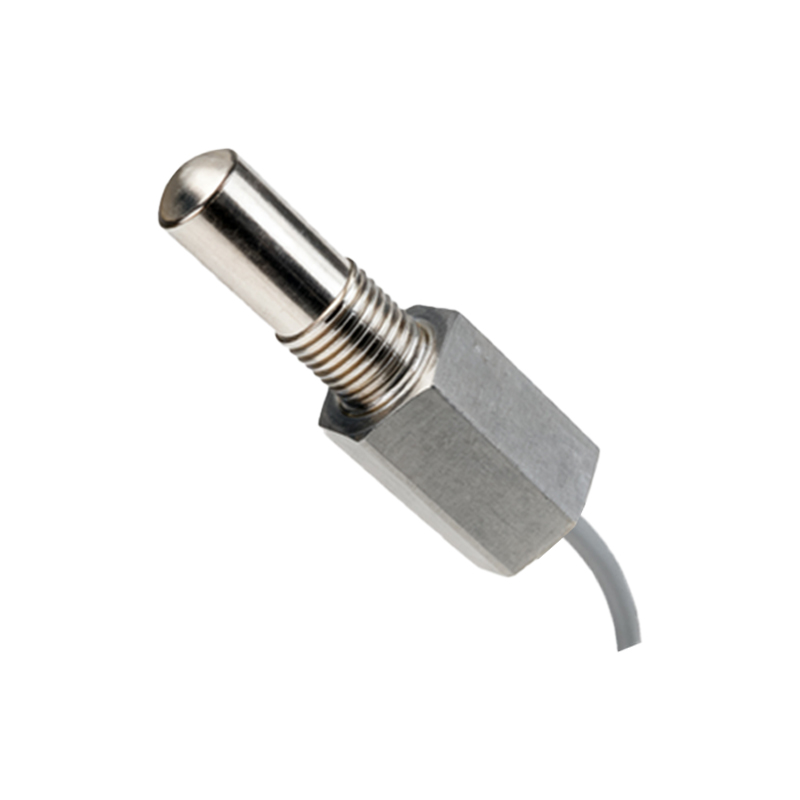
Examining proximity sensor protective cover pictures reveals distinct designs tailored for specific threats. The most prevalent type is the bumper-style cover, typically molded from durable polyurethane or rubber. In images, these appear as robust, often cylindrical caps that fit snugly over the sensor's front. They feature a thick wall designed to absorb direct physical shocks. Another frequent design is the chip guard. These are usually fabricated from stainless steel or tough plastic mesh and resemble a small cage or basket. Pictures show them mounted in front of the sensor, effectively deflecting swarf and large debris while allowing the sensing field to pass through. For environments with heavy washdowns or chemicals, sealed boot covers are used. Visual guides highlight their one-piece, flexible design that encapsulates the entire sensor head, often with a tight lip seal to prevent fluid ingress.
Material Selection and Performance Impact
The material of a protective cover is a decisive factor in its performance, a detail clearly discernible in close-up product photography. Polyurethane and nitrile rubber are common for their excellent abrasion resistance and flexibility. High-resolution images of these materials often show a smooth, dense texture. For high-temperature applications near welding stations or furnaces, covers made from silicone or special high-temp polymers are employed. Pictures of these may indicate their heat-resistant properties through context or labeling. Metallic guards, usually made from stainless steel, are chosen for extreme mechanical protection. In visuals, their machined, rigid structure is apparent. It is crucial to note that the material's thickness and dielectric properties, visible in cross-sectional diagrams, can slightly attenuate the sensing distance, a trade-off documented in technical specification sheets accompanying product images.
Key Application Scenarios Illustrated
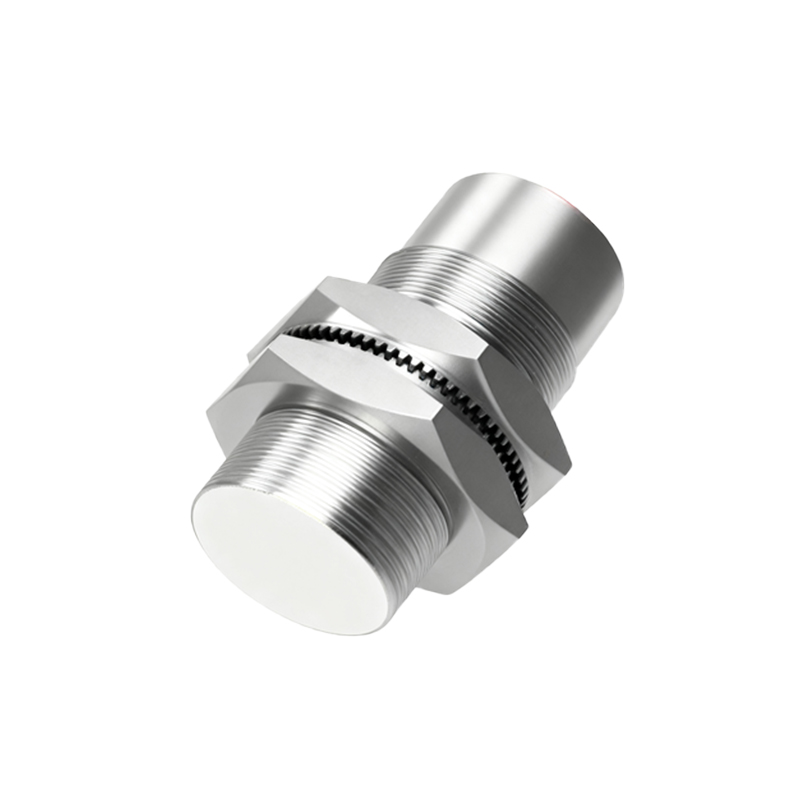
Photographs and installation diagrams best illustrate where specific protective covers are mandated. In machine tooling applications, such as lathes or CNC mills, pictures consistently show sensors equipped with sturdy metal chip guards. The visuals demonstrate how the guard prevents long, stringy metal chips from wrapping around or impacting the sensor body. For material handling systems, like robotic pick-and-place arms or conveyor guides, images frequently feature thick rubber bumper covers. These photos highlight scenarios where sensors are prone to accidental collisions with transported products or pallets. In food & beverage or pharmaceutical plants, galleries depict sensors with full-seal, FDA-approved plastic or silicone boots, emphasizing their smooth, crevice-free surfaces that withstand frequent high-pressure cleaning without retaining contaminants.
Critical Factors for Proper Selection
Selecting the correct cover requires analyzing several parameters, many of which are clarified through dimensional drawings and comparative imagery. First, the sensor form factor (barrel, rectangular, ring) must match the cover's internal dimensions, shown in cutaway product views. Second, the required level of protection (against impact, liquids, or particulates) dictates the design, often correlated to IP (Ingress Protection) or IK (Impact Protection) ratings listed in visual charts. Third, the operating environment's temperature range limits material choices. Fourth, the acceptable reduction in sensing distance must be considered; technical images sometimes include graphs plotting sensing distance versus cover thickness. Finally, ease of installation and maintenance is key; exploded-view diagrams show how some covers snap on, while others require mounting hardware.
Installation and Maintenance Best Practices
Proper installation is vital for a cover to function as intended. Step-by-step pictorial guides are invaluable resources. They typically show the importance of cleaning the sensor face before cover installation to ensure no debris is trapped inside. For slip-on covers, diagrams indicate the correct orientation and how to stretch the material evenly without tearing. For screw-on or clamped metal guards, torque specifications are often provided alongside images of the fasteners. Maintenance visuals demonstrate routine checks: inspecting the cover for cracks, cuts, or deformation; ensuring it has not loos