Understanding 24V Proximity Sensor Fundamentals
Proximity sensors are indispensable components in modern industrial automation, designed to detect the presence or absence of an object without physical contact. Among the various operating voltages available, the 24V DC variant stands as one of the most prevalent and versatile choices in factory environments. The core question, "Can 24V proximity sensors be used?" is almost invariably answered with a resounding yes, but its application is contingent upon a proper understanding of the electrical ecosystem. These sensors operate on a 24-volt direct current supply, a standard derived from its optimal balance between safety and performance. This voltage is high enough to minimize signal degradation over reasonable cable lengths and to provide reliable switching, yet it is considered a low voltage in many safety standards, reducing risks associated with electric shock. The sensor itself functions by generating an electromagnetic field; when a metallic target enters this field, it causes a change in the oscillation amplitude, which is then converted into a digital output signal to trigger an action in a PLC or controller.
Key Advantages of the 24V DC Standard
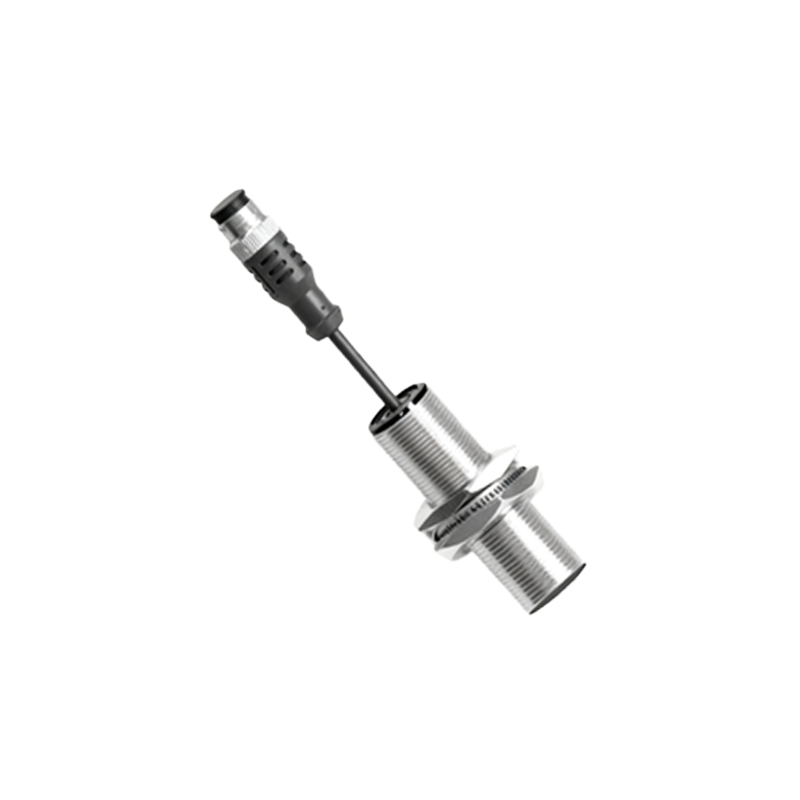
The widespread adoption of 24V DC for sensors and control circuits is not accidental. It offers several compelling advantages that solidify its position in industrial settings. Firstly, safety is significantly enhanced compared to higher voltage systems like 110VAC or 230VAC. This lower voltage level reduces arc flash hazards and limits the potential for severe electrical injury, making it safer for technicians during installation and troubleshooting. Secondly, 24V DC systems exhibit excellent noise immunity. In environments rife with electromagnetic interference from large motors, welders, or variable frequency drives, DC signals are generally less susceptible to noise corruption than AC signals, leading to more stable and reliable sensor operation. Furthermore, 24V DC is the standard voltage for most Programmable Logic Controllers (PLCs) and industrial control system (ICS) I/O modules. This native compatibility simplifies wiring, reduces the need for additional voltage converters or relays, and streamlines the overall control panel design. The availability of power supplies and related components is also universal, ensuring easy sourcing and replacement.
Critical Considerations for Successful Implementation
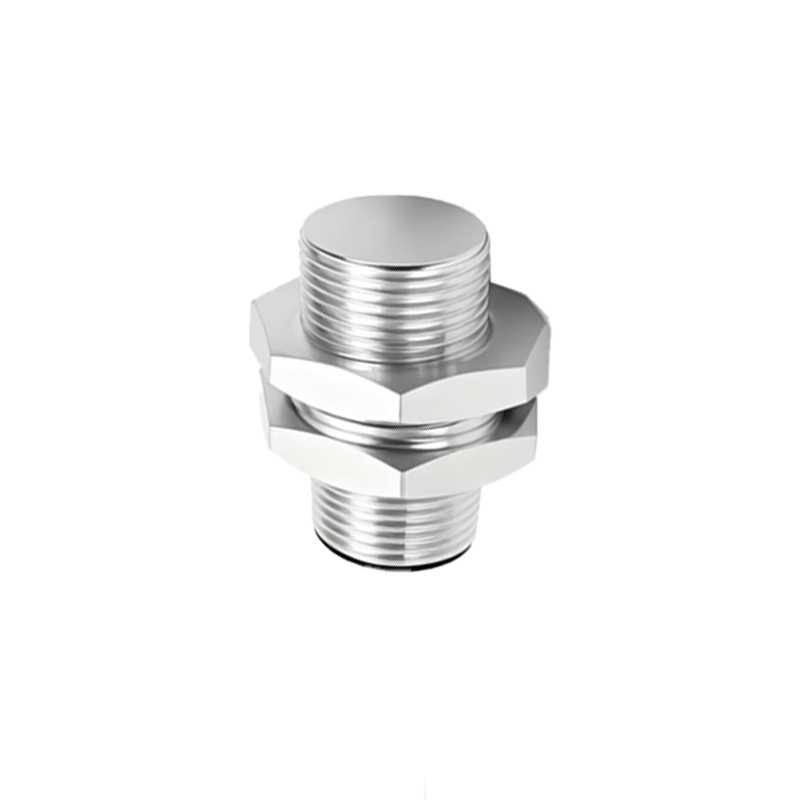
While the usability of 24V proximity sensors is clear, successful implementation requires careful attention to several technical parameters. The first is the power supply specification. A stable, regulated 24V DC power source is crucial. Voltage spikes or drops outside the sensor's operating range (typically 10-30V DC) can lead to erratic behavior or permanent damage. It is common practice to use a dedicated, filtered power supply for sensor networks. Next, one must consider the sensor's output type. The two primary configurations are NPN (sinking) and PNP (sourcing). An NPN sensor switches the negative or 0V line, while a PNP sensor switches the positive 24V line. The choice must match the input circuit of the receiving device (e.g., PLC). Connecting an NPN sensor to a PLC input designed for PNP will not function. Another vital factor is the load current. The sensor's solid-state output has a maximum current rating, and the connected load (e.g., a PLC input, relay coil) must draw less than this maximum. Exceeding it will damage the output transistor. Finally, environmental factors such as temperature, humidity, and the presence of chemicals or metallic dust must be considered, necessitating sensors with appropriate Ingress Protection (IP) ratings and housing materials like nickel-plated brass or stainless steel.
Wiring and Circuit Protection Best Practices
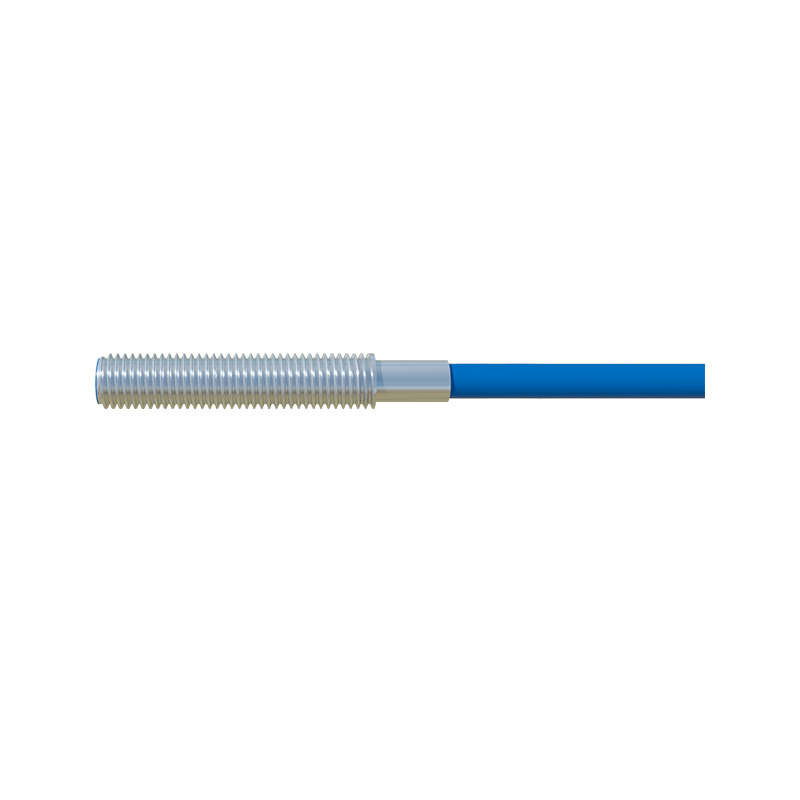
Correct wiring is paramount for reliable operation. A standard three-wire 24V proximity sensor has connections for brown (24V+), blue (0V), and black (output signal). Shielding is highly recommended, especially in high-noise environments or for long cable runs, to prevent false triggering. The shield should be grounded at the control panel end only. Circuit protection is non-negotiable. A fuse or a circuit breaker should be installed on the 24V supply line to protect against short circuits. For added protection, especially in inductive load circuits (like relay coils), a flyback diode or a surge suppressor should be used parallel to the load to clamp voltage spikes that occur when the circuit is de-energized, protecting the sensor's delicate output. Always adhere to the manufacturer's datasheet for specific wiring diagrams, sensing distances, and target material correction factors. For instance, the nominal sensing distance is calibrated for mild steel; for stainless steel, copper, or aluminum, the effective sensing range will be reduced.
Common Applications and Troubleshooting Tips
24V proximity sensors find applications across countless industries. They are used for object detection on conveyor lines